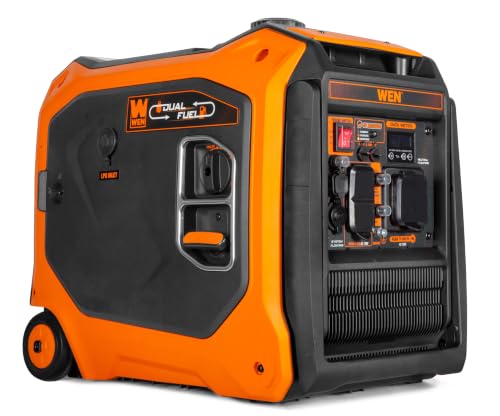

When the power goes out, your home can quickly become uncomfortable, and food spoils, and daily routines grind to a halt. You need a reliable backup power source that can keep your essentials running without a hitch. That’s where standby electric generator reviews come in, helping you make an informed choice. In this guide, we’ve evaluated top models from Westinghouse, DuroMax, DuroStar, Honeywell, and Generac to help you find the perfect generator for your home.
Whether you’re looking for a portable unit to power a few appliances or a whole-house standby generator that automatically kicks in, we’ve got you covered. Our reviews focus on key features, power output, fuel flexibility, and safety to help you decide. Let’s dive in.





Buying Guide: How to Choose the Right Standby Electric Generator
Power Output: Running Watts vs. Peak Watts
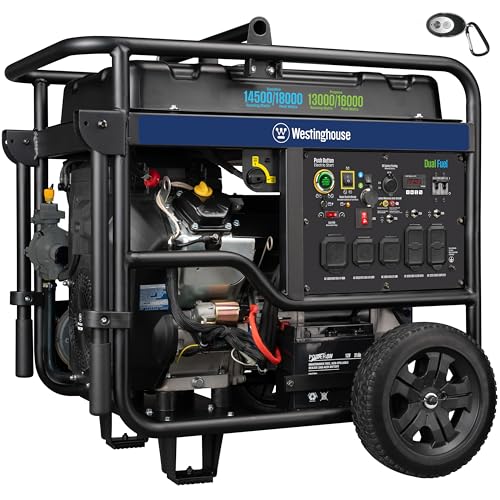
One of the first things to consider is how much power you need. Running watts indicate the continuous power a generator can supply, while peak watts are the surge capacity needed to start motors and appliances. For example, the Westinghouse 14500 Peak Watt Dual Fuel Home Backup delivers 11,500 running watts on gasoline, making it suitable for powering most household essentials.
To determine your needs, list the appliances you want to run during an outage and add up their running watts. Also, consider the starting watts for items like refrigerators and sump pumps, which can be higher. For whole-home coverage, a generator with at least 14,000 peak watts, like the Honeywell 14kW Home Standby Generator, is a solid choice.
Fuel Type: Gasoline, Propane, or Natural Gas
Fuel flexibility is crucial because it affects availability and run time. Dual-fuel generators, such as the DuroMax XP13000EH, run on both gasoline and propane, giving you options during emergencies. Tri-fuel models, like the Westinghouse 14500 Peak Watt Tri-Fuel Home Backup, add natural gas for even more versatility, especially if you have a natural gas line at home.
Propane and natural gas have longer shelf lives than gasoline and burn cleaner, but they may require a larger tank or a dedicated line. Consider which fuels are readily available in your area and how long you might need to run the generator.
Transfer Switch Compatibility and Automatic Start
For seamless home backup, a transfer switch is essential. It connects the generator to your home’s electrical panel, allowing you to power hardwired circuits safely. Many portable generators, including the Westinghouse 18000 Peak Watt Dual Fuel Home Backup, are transfer switch-ready with 50A outlets.
Some models, like the Generac 14kW Whole Home Generator, come with an automatic transfer switch that detects outages and starts the generator automatically. This is ideal for those who want a hands-off solution. If you prefer portability, you can pair a portable generator with a manual transfer switch or interlock kit, as discussed in our residential standby generator guide.
Safety Features: CO Sensors and Low-Oil Shutdown
Safety should never be compromised. Look for generators with carbon monoxide (CO) sensors that automatically shut down the unit if dangerous levels are detected. The DuroStar DS13000MX includes a CO alert for enhanced safety, while Westinghouse models feature built-in CO sensors.
Automatic low-oil shutdown is another critical feature that protects the engine from damage. It ensures the generator doesn’t run without proper lubrication, extending its lifespan. For more on safety and whole-home options, check our best whole home generators for power outages article.
Final Thoughts
Choosing the right standby electric generator depends on your power needs, fuel preferences, and budget. For a versatile portable option that pairs with an automatic transfer switch for home backup, the Westinghouse 14500 Peak Watt Dual Fuel Home Backup is an excellent choice, offering reliable power and remote start. If you prefer a permanent, whole-house solution that automatically kicks in during outages, the Generac 14kW Whole Home Generator delivers seamless protection with cellular monitoring, though it requires professional installation. Both are top-rated choices that we confidently recommend.
Frequently Asked Questions
What size standby generator do I need for my house?
To determine the right size, calculate the total running watts of essential appliances and add the starting watts of large motors. A 14kW generator can typically power a whole home with moderate usage, while a 10kW unit may be sufficient for smaller homes or essential circuits.
Can I install a standby generator myself?
Portable generators can be set up with a manual transfer switch by a qualified electrician. However, whole-house standby generators require professional installation due to electrical and gas connections. Always follow local codes and manufacturer guidelines.
How often should I run my standby generator?
It’s recommended to run your generator for about 20-30 minutes each month to keep the engine lubricated and the battery charged. This practice helps ensure it’s ready when you need it. Regular maintenance, like oil changes, is also crucial for longevity.
Are standby generators worth the investment?
Yes, especially if you experience frequent outages or rely on medical equipment. A standby generator provides peace of mind and can prevent costly damage from frozen pipes or spoiled food. For many homeowners, the convenience and safety are well worth it.