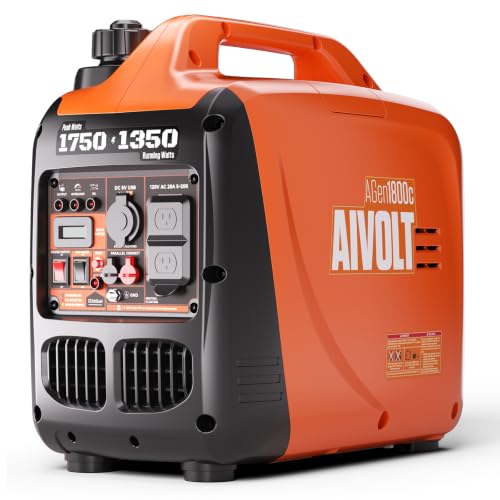

Picture this: you’re deep in the woods, the sun is setting, and you need to power your RV’s appliances, charge your devices, and keep the lights on. A reliable portable generator is your best friend. In this guide, we’ve reviewed the best portable generator for RV camping, covering a range of options from solar-powered stations to dual-fuel inverter generators. Whether you’re a weekend warrior or a full-time RVer, we have a pick for you.
We’ve evaluated nine top models from trusted brands like Jackery, WEN, ZeroKor, and more, focusing on power output, portability, noise levels, and fuel efficiency. Our goal is to simplify your decision-making process so you can spend less time researching and more time enjoying the great outdoors. For more insights, check out our guide on the best portable inverter generators for home use.






Buying Guide: What to Look For in an RV Camping Generator
Power Output and Capacity
First, consider your power needs. Add up the wattage of the appliances you’ll run simultaneously, like your RV’s air conditioner, refrigerator, and microwave. A generator with a higher surge wattage can handle startup spikes, while rated wattage covers continuous use. For most RVs, a unit with at least 3000 to 4000 watts is ideal.
Solar generators, like the Jackery Explorer 1000 v2, offer a different approach. They provide a clean, silent power source but have lower wattage limits. If you need to run heavy AC units, a gas or dual-fuel inverter generator might be more suitable.
Fuel Type and Efficiency
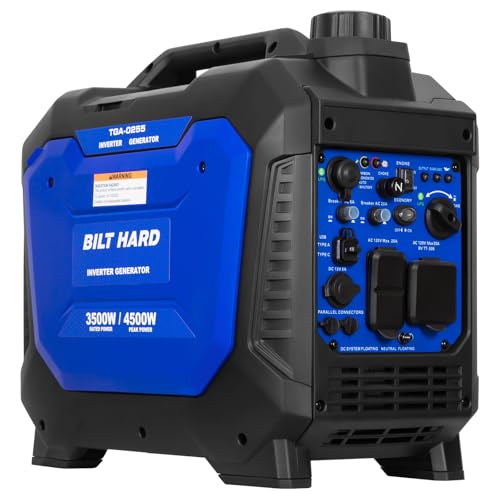
Fuel type affects runtime, cost, and convenience. Gasoline is widely available, but propane has a longer shelf life and burns cleaner. Dual-fuel generators, like the BILT HARD and ERAYAK models, offer flexibility. Look for ECO mode or electronic speed control to adjust engine speed based on load, saving fuel and reducing noise.
For extended trips, consider a generator with a large fuel tank and long runtime. For example, the ERAYAK 4500W runs up to 16 hours on a full tank at 25% load. If you prefer renewable energy, solar generators can be recharged via solar panels, but their runtime depends on sunlight and battery capacity.
Portability and Noise Level
You’ll be moving your generator around, so weight and handles matter. Inverter generators are generally lighter and more compact than traditional ones. The Jackery Explorer 300 weighs only 7.5 lbs, making it easy to carry. For heavier models, look for wheels and telescoping handles, like the WEN 56477i.
Noise is a big deal at campsites. Many national parks have strict noise limits. Inverter generators are typically quieter, with some models around 58 dBA. The Oxseryn 4400W operates under 72 dBA, which is acceptable but louder. If peace and quiet are your priority, choose a model with a low dBA rating.
Safety and Additional Features
Safety features like carbon monoxide (CO) sensors are essential. They automatically shut down the generator if CO levels become dangerous. Look for models with circuit breakers and overload protection. Parallel capability is a bonus, allowing you to connect two generators for more power.
Also, consider the number and type of outlets. RV-ready generators should have a TT-30R outlet for direct connection to your RV. USB ports and 12V DC outlets are handy for charging devices. For more on dual-fuel options, see our best dual fuel portable inverter generator guide.
Final Thoughts
Choosing the best portable generator for RV camping depends on your specific needs. For a lightweight, eco-friendly option, the Jackery Solar Generator 300 and 40W Solar is perfect for charging small devices and running LED lights, though it won’t power heavy AC units. If you need more muscle for your RV’s air conditioner and appliances, the WEN Quiet and Lightweight 4800-Watt RV-Ready inverter generator delivers robust power with a low noise profile. Both are excellent choices, but they cater to different camping styles.
Frequently Asked Questions
What size portable generator do I need for RV camping?
Most RVs need at least 3000 to 4000 watts to run the air conditioner, refrigerator, and other essentials. For smaller setups, a 2000-watt generator might suffice. Always check your RV’s power requirements before purchasing.
Are solar generators good for RV camping?
Yes, solar generators are excellent for quiet, emission-free power. They’re ideal for charging electronics and running small appliances. However, they have limited capacity compared to gas generators, so they may not handle high-wattage devices like air conditioners. For a deeper dive, read our comparison of Generac vs Westinghouse generators.
Can I run my RV air conditioner with a portable generator?
Yes, but you need a generator with enough surge watts to start the AC compressor. A 3000-watt generator can typically run a 13,500 BTU AC, but check the starting wattage of your unit. Inverter generators provide clean power, which is safe for sensitive electronics.
How long can a portable generator run on a full tank?
Runtime varies by model and load. Many gas generators run 8 to 16 hours at 25% load. For example, the ERAYAK 4500W lasts up to 16 hours on gasoline. Propane can extend runtime. Always refer to the manufacturer’s specifications. For more on home backup, check our best generator for small house dual fuel guide.