

Imagine a storm knocks out your power for days. Your fridge goes silent, the lights die, and you worry about your family’s safety. That is when a reliable backup generator becomes essential. But not all generators are created equal. If you want the flexibility to run on either gasoline or propane, plus the convenience of an electric start, you need a dual fuel all electric generator. In this guide, we evaluate the top models for 2026, covering everything from compact portable units to whole-house power stations. Whether you are an RV owner, a homeowner preparing for outages, or a contractor needing job site power, this review will help you choose the right generator for your needs.
For more context on how these generators compare to other home backup options, check out our Dual Fuel Generators category page.


Buying Guide: What to Look for in a Dual Fuel All Electric Generator
Power Output and Surge Capacity
Your generator’s wattage determines what appliances you can run. Rated watts are the continuous load, while surge watts handle startup spikes from motors like refrigerators or air conditioners. For home backup, look for at least 5000 rated watts. For whole-house coverage, models like the DuroMax XP13000HX 13,000-Watt Dual Fuel provide ample power for essentials. If you only need to power a few devices, a 4000-watt unit may suffice.
Fuel Flexibility and Run Time
Dual fuel generators let you switch between gasoline and propane. Gasoline offers higher peak output, while propane burns cleaner and stores longer. Consider your fuel availability. For extended outages, propane is convenient because it does not degrade. The Westinghouse 14500 Peak Watt Dual Fuel Home Backup runs up to 19 hours on a full tank of gas at 25% load. That is impressive endurance.
Clean Power for Sensitive Electronics
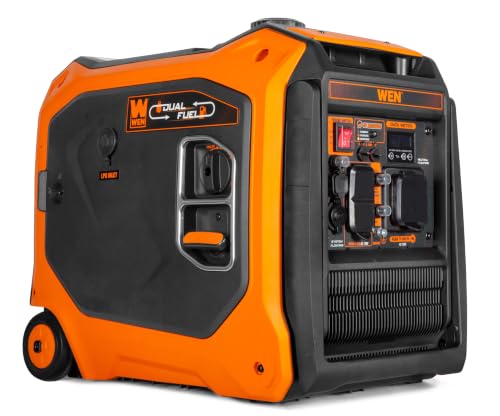
If you plan to power laptops, smartphones, or medical devices, choose a generator with low total harmonic distortion (THD). Inverter generators like the WEN 5250-Watt Dual Fuel Electric Start Inverter produce clean power safe for sensitive electronics. Less than 5% THD is the gold standard. This feature protects your devices from damage.
Safety Features and Ease of Use
Modern generators include built-in safety systems. Look for carbon monoxide (CO) shutdown sensors, automatic low-oil shutdown, and fuel shutoff valves. Electric start with a push button or remote key fob adds convenience. The best dual fuel generators gas and propane also feature rugged construction and intuitive control panels. These features simplify operation and extend the generator’s lifespan.
Final Thoughts
Choosing the best dual fuel all electric generator depends on your specific needs. For a balance of power, portability, and clean electricity, the WEN 5250-Watt Dual Fuel Electric Start Inverter is an excellent choice for RVs and sensitive electronics. If you need whole-house backup with massive surge capacity and remote start, the Westinghouse 14500 Peak Watt Dual Fuel Home Backup delivers unmatched reliability. Both models offer dual fuel flexibility, electric start, and robust safety features, ensuring you stay powered through any outage.
Frequently Asked Questions
Can I run a dual fuel generator on propane only? Yes, most dual fuel generators can run exclusively on propane. Propane is clean-burning and has a long shelf life, making it ideal for emergency storage. Just connect a propane tank and switch the fuel selector to propane.
How long will a dual fuel generator last on a tank of gas? Run time varies by model and load. For example, the Westinghouse 14500 watt model runs up to 19 hours at 25% load on a 9.5-gallon gas tank. Always check the manufacturer’s specifications for your specific generator.
Are inverter generators worth the extra cost? If you plan to power sensitive electronics like laptops, phones, or TVs, an inverter generator is worth the investment. They produce cleaner power (less than 5% THD), which prevents damage to your devices. Models like the WEN 5250-Watt Inverter are highly rated for this purpose.
What size generator do I need for my home? Calculate the total running wattage of essential appliances. A 5000-watt generator can power a fridge, lights, and a sump pump. For whole-house backup with a transfer switch, consider a 10,000-watt or larger model. For more guidance, read our best dual fuel generator for whole house guide.