

Imagine you are on a weekend camping trip, and your phone is about to die, or a sudden power outage leaves you without lights and a working refrigerator. Having a reliable source of power can make all the difference. That is where a best portable power station solar battery comes into play. These units combine a rechargeable battery with solar panel compatibility, giving you clean, quiet energy wherever you go. In this guide, we review seven top models from brands like Anker, BLUETTI, EF ECOFLOW, and BLAVOR, covering capacities from 1024Wh to 2150Wh. Whether you need backup for home emergencies or a portable companion for outdoor adventures, we have you covered.
Our evaluations are based on real-world criteria: charging speed, output ports, battery chemistry, and overall value. For a broader look at whole-home backup solutions, check out our best whole house portable power station options guide. Now, let us dive into the top picks for 2026.


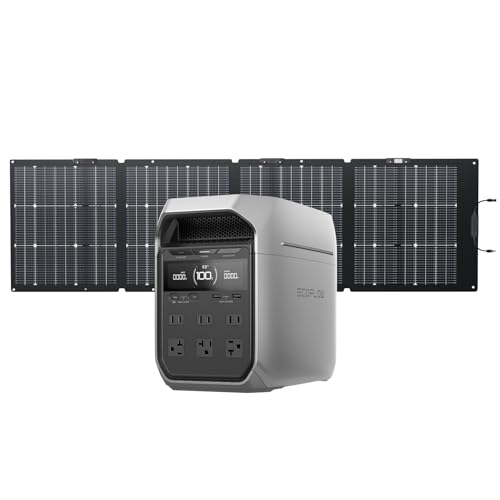


Buying Guide: What to Look for in a Portable Power Station Solar Battery
Battery Capacity and Chemistry
The capacity, measured in watt-hours (Wh), determines how long your devices will run. For example, a 1024Wh unit can power a 60W refrigerator for about 17 hours. Look for LiFePO4 (lithium iron phosphate) batteries, which offer over 3500 charge cycles and better safety than older lithium-ion types. Most models in our list use LiFePO4, ensuring long-term reliability.
If you need even more capacity for extended outages, consider a whole-house backup system. Our best whole house portable power station guide covers larger units for full-home coverage.
Solar Charging Speed and Panel Compatibility
Solar input wattage determines how fast you can recharge from the sun. Higher wattage panels (like 200W or 220W bifacial) can replenish a 1024Wh battery in 1.8 to 7 hours depending on conditions. Some units, like the BLAVOR 1600W, include a built-in 40W panel for trickle charging, while others require external panels. Ensure the solar input matches your typical sunlight hours.
For a comparison of popular brands, read our jackery vs anker article to see how these leaders stack up.
Output Ports and Power Delivery
Check the number and type of AC outlets, USB-A, USB-C (preferably with 100W PD), and DC ports. A unit with 6 to 12 ports can power multiple devices simultaneously. Look for pure sine wave inverters for sensitive electronics like laptops and CPAP machines. Surge capacity (peak watts) is also important for starting motors in refrigerators or power tools.
If you plan to run a space heater, our best portable power station for space heater guide provides specific recommendations.
Portability and Weight
If you are taking the power station camping or on road trips, weight and size matter. Models like the BLUETTI Elite 100 V2 weigh 25 lbs and have a hidden handle for easy carrying. Others, like the Lipower 2400W, are 20% lighter than competitors with similar capacity. Always check dimensions to ensure it fits in your vehicle or storage space.
For sump pump backup, see our best portable power station for sump pump guide for units with high surge output.
Final Thoughts
Choosing the best portable power station solar battery depends on your specific needs: for fast solar charging and a lightweight design, the Anker SOLIX C1000 Portable Power Station and 100W stands out with its 80% recharge in 43 minutes and 600W solar input. For a budget-friendly option with a built-in solar panel, the BLAVOR 1600W Solar Generator offers 1024Wh capacity and a 40W integrated panel, making it perfect for camping and emergencies. Both models provide reliable, clean power backed by durable LiFePO4 batteries, ensuring you stay powered up wherever you are.
Frequently Asked Questions
How long does a portable power station solar battery last?
With proper care, a LiFePO4 battery can last 10 years or more, depending on usage cycles. Most models offer 3500+ cycles to 80% capacity, meaning daily use for a decade is feasible. Storage in a cool, dry place extends lifespan.
Can I run a refrigerator on a portable power station?
Yes, many units with 1024Wh to 2150Wh capacity can run a full-size refrigerator for 1 to 2 days. Ensure the power station has a pure sine wave inverter and enough surge wattage to handle the compressor startup. Check the refrigerator’s running watts and compare with the unit’s continuous output.
What size solar panel do I need to charge a power station?
A 100W to 200W panel is common for 1024Wh batteries, taking 4 to 9 hours of full sun. For faster charging, use a 200W panel or a bifacial model that captures light from both sides. Some units support up to 800W solar input, reducing charge time to under 2 hours.
Are portable power stations safe to use indoors?
Yes, because they produce no exhaust fumes and operate silently. LiFePO4 batteries are non-toxic and have built-in battery management systems to prevent overheating, overcharging, and short circuits. They are safe for use in bedrooms, basements, and living rooms during blackouts.



