

Imagine a storm knocks out your power while you are in the middle of a work project or your refrigerator is full of groceries. A sudden blackout can disrupt your day and risk your data or food. That is why a reliable home battery backup power supply is essential. In this guide, we evaluate ten top products from trusted brands like CyberPower, APC, GOLDENMATE, Jackery, and Anker. Whether you need to keep a computer running for a safe shutdown or power essential appliances for days, we have you covered. For more insights on whole-home solutions, check out our best residential battery backup system guide.








Buying Guide
Power Capacity and Runtime
The first thing to consider is how much power you need and for how long. A small UPS like the CyberPower ST425 is perfect for a computer and router, offering short-term backup for safe shutdowns. For larger needs, such as running a refrigerator or sump pump, a high-capacity unit like the Jackery HomePower 3600 Plus can provide days of power. Think about the devices you want to keep running and for how long to choose the right capacity.
Battery Type and Lifespan
Battery technology affects both performance and longevity. Traditional lead-acid batteries are common in many UPS units and are affordable, but they have a shorter lifespan. Lithium-based options, such as the GOLDENMATE 1000VA/800W Lithium UPS, use LiFePO4 cells that last over 10 years and thousands of charge cycles. If you want a long-term investment, consider a lithium model. For more on battery longevity, see our anker SOLIX F3800 plus review.
Outlet Configuration and Connectivity
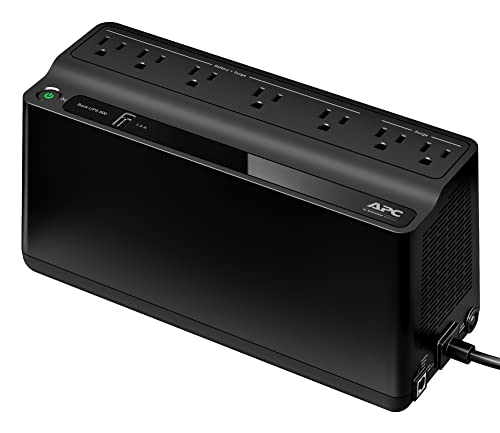
Check the number and type of outlets a unit offers. Some models, like the CyberPower CP1500PFCLCD, provide a mix of battery backup and surge-only outlets, plus USB ports for charging devices. Others, like the APC BX1500M, include coaxial and Ethernet surge protection. Make sure the unit has enough outlets for your essential gear and any extra features you need, such as USB-C charging.
Form Factor and Portability
Consider where you will place the unit. Traditional UPS units are designed for desks or floors and are not meant to be moved often. Portable power stations like the Anker SOLIX S2000 are lighter and have wheels or handles, making them easy to move from room to room or take on trips. If you need backup in multiple locations or want the flexibility to use it outdoors, a portable model is a great choice.
Final Thoughts
Choosing the best home battery backup power supply depends on your specific needs. For a reliable, affordable option to protect your computer and home office, the CyberPower ST425 Standby UPS Battery Backup is a solid pick. If you need whole-home backup for extended outages and have a larger budget, the Jackery HomePower 3600 Plus Power Station, 3584Wh offers massive capacity and portability. We hope this guide helps you find the perfect solution for peace of mind.
Frequently Asked Questions
What size home battery backup do I need?
It depends on what you want to power. For a computer and router, a 600VA to 1500VA UPS is usually enough. For appliances like a refrigerator or sump pump, look for a unit with at least 1500VA or a portable power station with 2000Wh or more. Calculate the total wattage of your essential devices and choose a backup that can handle that load.
How long will a home battery backup last during a power outage?
Runtime varies widely based on capacity and the devices connected. A small UPS may run a computer for 10 to 30 minutes, while a large power station like the Jackery HomePower 3600 Plus can power a refrigerator for over 24 hours. Always check the manufacturer’s runtime estimates for your specific load. For more details, read our best home battery backup for refrigerator guide.
Can I use a UPS for a sump pump?
Yes, but you need a high-capacity UPS with a pure sine wave inverter and enough power to start the pump motor. Many standard UPS units are not designed for inductive loads like pumps. Look for a model rated for at least 1500VA or consider a portable power station with a high surge capacity. Always verify the pump’s startup wattage before purchasing.
Are lithium battery backups better than lead-acid?
Lithium batteries, especially LiFePO4, offer longer lifespan, lighter weight, and more charge cycles than lead-acid. They are more expensive upfront but can save money over time due to their durability. For most home backup needs in 2026, lithium is the better choice if your budget allows. Lead-acid is still a cost-effective option for occasional use.

