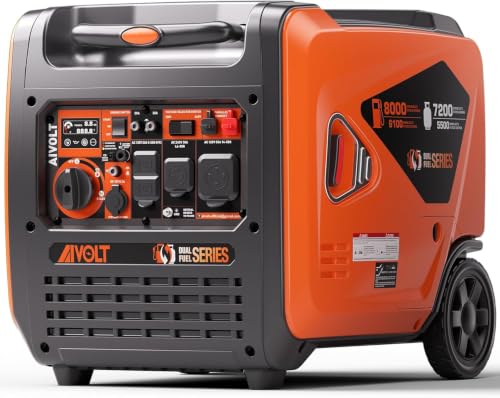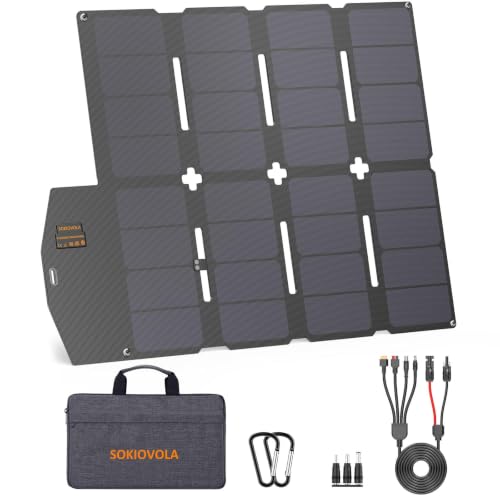

The storm hits at 9 p.m., the grid drops, and suddenly your sump pump, refrigerator, and furnace all go silent. That is the exact moment homeowners start searching for the best portable generators for home backup. This guide covers seven proven options, from gas and propane workhorses to silent battery stations.
We focused on transfer switch readiness, fuel flexibility, and clean power for sensitive electronics. Whether you want a quick weekend setup or near-standby convenience, one of these units fits your plan. For a broader look at fixed installations, see our guide to the best residential whole house generator.


How to Choose a Portable Generator for Home Backup
Running Watts vs. Peak Watts
Peak watts cover startup surges from motors, while running watts keep everything alive once appliances stabilize. Add up your essentials, then leave headroom for well pumps and air conditioning. A 13,000-watt unit like the DuroMax XP13000HX handles most whole-home loads.
If you only need circuits for heat, refrigeration, and lights, a smaller unit works fine. Our comparison of standby vs emergency generators helps you decide how much capacity you actually need.
Fuel Type and Runtime
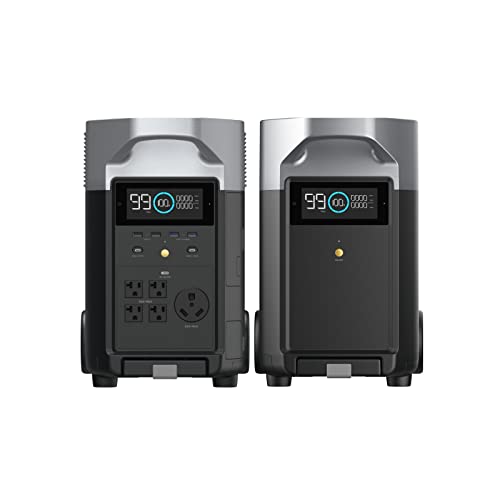
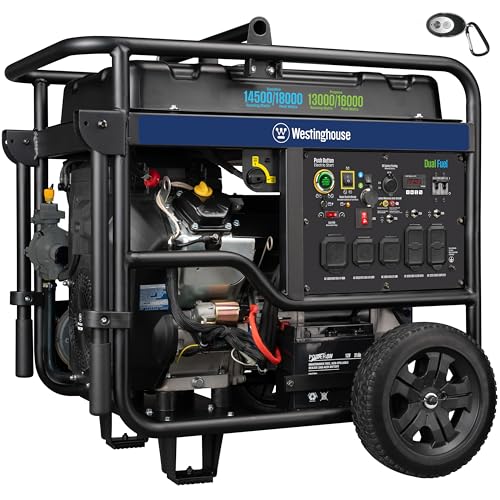
Dual fuel models run on gasoline or propane, and propane stores indefinitely without gumming up a carburetor. The Westinghouse 14500 Peak Watt delivers up to 19 hours at quarter load on a 9.5-gallon tank. Battery stations like the EF ECOFLOW DELTA Pro skip fuel entirely and recharge from wall or solar.
Transfer Switch Readiness
A 50-amp outlet lets you connect through a transfer switch or interlock kit instead of running extension cords through doorways. Both Westinghouse models pair with the WATS200 automatic transfer switch for push-button backup. For more on fuel-flexible units, browse our dual fuel generators category.
Clean Power and CO Safety
Inverter technology and low total harmonic distortion protect computers, TVs, and medical devices. The DuroMax XP16000iH and both Westinghouse units stay under 5% THD. Carbon monoxide sensors that auto-shutoff the engine are now standard on serious home backup machines.
Final Thoughts
For most homeowners, the DuroMax XP13000HX 13,000-Watt Dual Fuel balances whole-home output with a transfer switch ready 50-amp outlet. If you want silent, fume-free backup for electronics and an EV, the Anker SOLIX F3800 Portable Power Station, 3840Wh is the cleaner choice. Match the unit to your circuits and you will ride out the next outage comfortably.
Frequently Asked Questions
How many watts do I need to back up my house?
Most homes need 7,000 to 15,000 running watts for essential circuits, depending on whether you include central air or a well pump. Add startup wattage for each motor-driven appliance, then choose a generator with headroom above that total. A licensed electrician can confirm your load during a transfer switch install.
Can a portable generator power a whole house?
Yes, if it has a 50-amp outlet and connects through a transfer switch or interlock kit. High-output models such as the Westinghouse 18000 Peak Watt can carry a full panel when managed carefully. You will need to stagger large loads like dryers and ovens.
Is a battery power station better than a gas generator?
Battery stations are silent, produce no fumes, and need no fuel storage, which makes them ideal for apartments and short outages. Gas and propane generators run far longer during multi-day events. Many families keep both, using the battery for electronics and the fuel generator for heavy loads.
What is the best portable generator for home backup in 2026?
It depends on your circuits and fuel preference. The DuroMax XP13000HX suits whole-home gas or propane backup, while the Anker SOLIX F3800 fits clean indoor-friendly power. Compare brands in our residential standby generator brands roundup before you buy.