
Imagine a storm knocks out your power for days. Your family is left without heating, cooling, or refrigeration, and your devices are dead. This is a reality for many homeowners, but it doesn’t have to be. A residential whole house generator can automatically restore power within seconds, keeping your home safe and comfortable.
In this guide, we review the best residential whole house generator options for 2026, covering models from Generac, DuroMax, and Honeywell. We focus on power output, fuel type, monitoring features, and reliability to help you make an informed decision.



Buying Guide: Choosing the Right Whole House Generator
Selecting the right whole house generator involves several key factors. We break down the most important criteria to consider before making your purchase.
Power Output and Capacity
The generator’s wattage determines how many appliances and systems you can run simultaneously. A 10kW model covers essentials like lights and a refrigerator, while a 22kW or larger unit can power central air conditioning and well pumps. Assess your home’s square footage and typical energy usage to choose the right capacity.
For most homes, a 14-18kW generator strikes a balance between cost and coverage. If you have a large house or high-demand appliances, consider a 22kW or 26kW unit. Check out our guide to the best whole house generator brand for more insights on reliability.
Fuel Type: Natural Gas vs. Propane vs. Dual Fuel
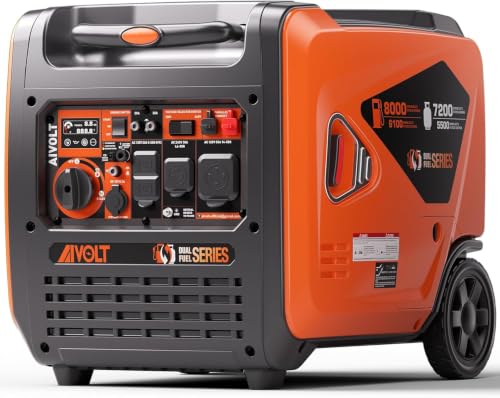
Standby generators typically run on natural gas or propane, while portable models may offer dual fuel options. Natural gas provides unlimited fuel supply if you have a gas line, but propane is easier to store and can be more portable. Dual fuel generators like the DuroMax XP13000EH offer flexibility, allowing you to switch between gas and propane as needed.
Consider the availability and cost of fuel in your area. Natural gas is convenient for permanent installations, but propane tanks can be refilled or exchanged. If you want a portable option that works during outages, a dual fuel model is a versatile choice.
Automatic Transfer Switch and Monitoring
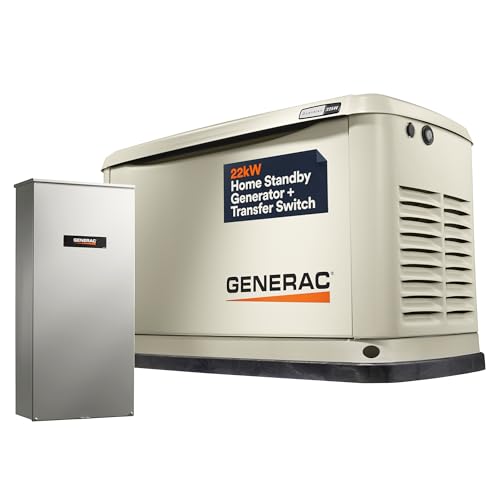
An automatic transfer switch (ATS) detects power loss and switches to generator power automatically. It also isolates your home from the grid, preventing backfeeding. Most Generac models include a 200-amp ATS, which is essential for whole house coverage.
Remote monitoring via Wi-Fi or cellular allows you to check generator status from your smartphone. Features like Mobile Link provide real-time updates and maintenance alerts. This is especially useful if you’re away from home. For a deeper comparison, read our article on standby vs. emergency generators.
Final Thoughts
Choosing the best residential whole house generator depends on your home’s power needs and your budget. For most households, the Generac 22kW Whole Home Generator offers a perfect blend of power, reliability, and smart monitoring. If you prefer a portable solution that can power essentials without permanent installation, the DuroMax XP13000EH 13,000-Watt Dual Fuel is an excellent value. Both options provide dependable backup power, ensuring your family stays safe and comfortable during outages.
Frequently Asked Questions
What size whole house generator do I need?
The size depends on your home’s square footage and the appliances you want to power. A 10-14kW generator covers essentials, while 18-22kW models handle larger homes with central air conditioning. Use a load calculator or consult an electrician for precise sizing.
Can a portable generator power my whole house?
Yes, but only if you use a transfer switch and manage your load carefully. Portable generators like the DuroMax XP13000EH can power critical circuits, but they require manual setup and fueling. For automatic operation, a standby generator is more convenient.
Are whole house generators worth the investment?
Absolutely, especially if you live in areas prone to outages. They provide peace of mind, protect food and medical devices, and can increase home value. The cost is offset by the convenience and safety they offer during emergencies.
How often should I run my generator?
It’s recommended to run your generator at least once a month for 20-30 minutes under load. This ensures the engine stays lubricated and the battery is charged. Regular maintenance extends the life of your generator.
For more detailed advice, check our best backup generator for house guide.