
When the power goes out, you need a reliable solution to keep your home running. Whether it’s a storm, grid failure, or emergency, the best generator for power outage situations provides peace of mind. In this guide, we compare seven top-rated models, from portable solar generators to whole-house standby units, to help you choose the right backup power for your needs.
We’ve evaluated each product based on capacity, output, recharge options, and ease of use. Our picks cover a range of budgets and scenarios, so you can find the perfect fit for your home. If you’re weighing your options, check out our comparison of standby vs. emergency generators to understand the key differences.


Buying Guide: What to Consider in a Power Outage Generator
Power Output and Capacity
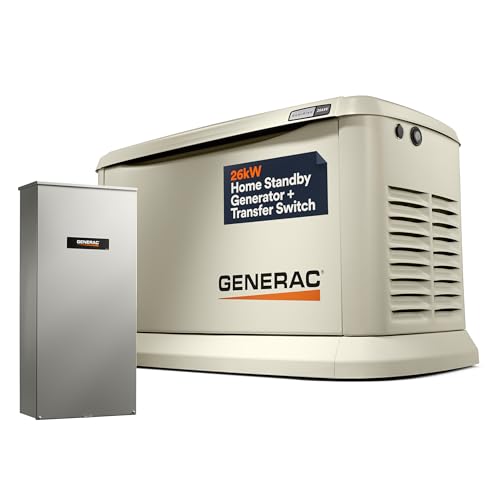
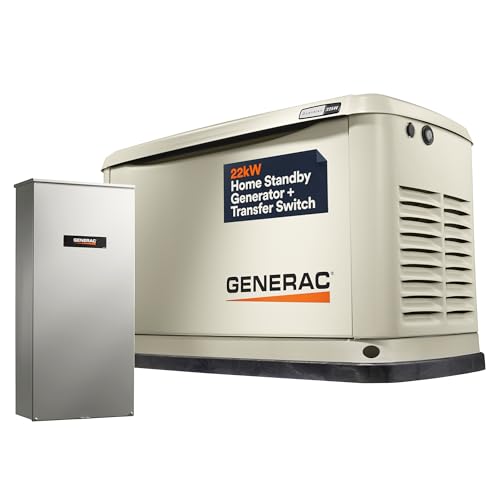
First, determine which appliances you need to run during an outage. Add up the wattage of essentials like your refrigerator, lights, and medical devices. For whole-home backup, a standby generator like the Generac Guardian 22kW or 26kW delivers 22,000 to 26,000 watts, easily powering an entire house.
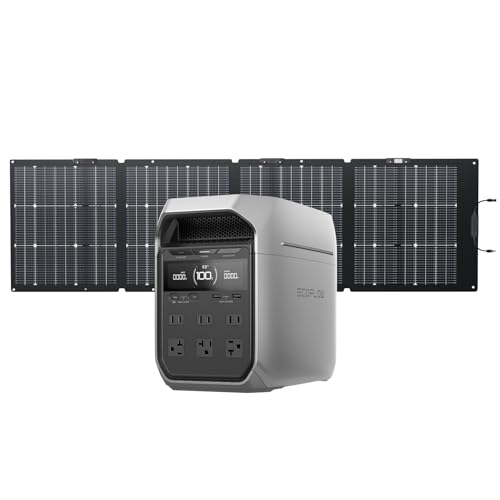
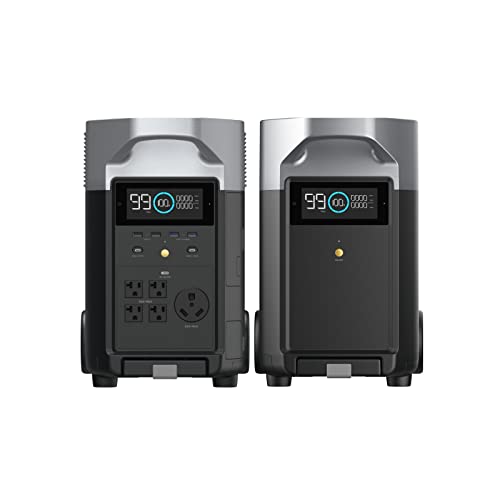
Portable power stations, such as the Jackery HomePower 3600 Pro Max, offer 3,600Wh expandable to 43kWh, enough for several days of essential power. For smaller needs, the BLUETTI AC180 provides 1,152Wh and 1,800W output, ideal for running a fridge and a few devices. Consider your usage patterns to pick the right capacity.
Fuel Type and Recharge Options
Standby generators run on natural gas or propane, offering unlimited fuel as long as the supply lasts. They start automatically during an outage and require professional installation. In contrast, solar generators use renewable energy, recharging via solar panels, wall outlets, or car chargers. The BLAVOR 1600W even includes a built-in 40W panel for off-grid charging.
If you want fuel-free backup, solar generators are quiet and eco-friendly. For maximum reliability, a dual-fuel option might be ideal; explore our best 240V dual-fuel inverter generators for more choices.
Portability and Installation
Portable power stations are lightweight and easy to move. The BLUETTI Elite 100 mini weighs just 23.6 lbs, making it perfect for camping or quick setup. Standby generators are permanently installed outside and require a licensed electrician, but they offer hands-off operation with automatic transfer switches.
Think about your living situation. Renters or those who want flexibility might prefer a portable unit, while homeowners seeking seamless backup should consider a standby system. For a deeper dive, read our guide on the best whole-house generator brands.
Final Thoughts
Choosing the best generator for power outage ultimately depends on your specific needs. For whole-home protection, the Generac Guardian 22kW Home Generator offers reliable automatic backup, while the Jackery HomePower 3600 Pro Max and 2x200W, 3584Wh provides a versatile, expandable solar solution that’s quiet and fuel-free. Both are excellent choices to keep your home powered during emergencies.
Frequently Asked Questions
What size generator do I need for a power outage?
For essential appliances like a refrigerator, lights, and a sump pump, a portable generator with 1,000 to 2,000 watts may suffice. For whole-home backup, consider a standby generator with 22,000 watts or more, depending on your home’s size and electrical load.
Can a solar generator power a house during an outage?
Yes, solar generators can power essential devices and even whole homes if they have sufficient capacity and output. Models like the Jackery HomePower 3600 Pro Max offer expandable capacity and 240V output, making them suitable for running large appliances. However, recharging depends on sunlight availability.
How long do portable power stations last?
Most modern portable power stations use LiFePO4 batteries rated for 4,000 to 6,000 charge cycles. With daily use, they can last 10 to 17 years. The BLUETTI Elite 100 mini, for example, offers up to 17 years of lifespan, ensuring long-term reliability.
Are standby generators worth the investment?
Standby generators provide automatic, whole-home backup and run on natural gas or propane, so you don’t need to worry about refueling. They require professional installation but offer convenience and peace of mind. If you experience frequent outages, they are a worthwhile investment. For more insights, see our best whole-house generator brand guide.