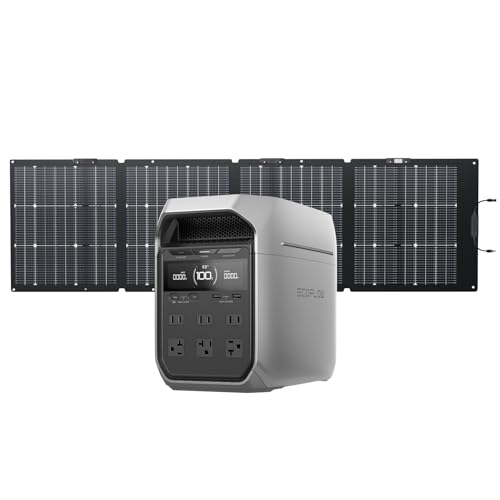

Imagine it’s a stormy night, and suddenly the power goes out. The fridge starts warming, the lights flicker, and your phone battery is draining fast. For many families, this is a familiar and stressful scenario. But with the right portable generator, you can keep your home running smoothly, powering essentials like refrigerators, lights, and medical devices until the grid comes back. This guide reviews the top portable generators for home power outages in 2026, covering everything from powerful dual-fuel workhorses to quiet, clean solar power stations.
We’ve evaluated eight top models to help you choose the perfect backup solution for your needs and budget. Whether you’re looking for whole-home power or just enough to keep critical devices alive, our in-depth analysis and buying guide will point you in the right direction. For more insights on generator ownership, check out our guide on the best time to buy a generator to maximize your savings.







Buying Guide: Choosing the Right Portable Generator for Home Backup
Selecting the best portable generator for home power outage involves more than just picking the highest wattage. You need to consider your specific power needs, fuel preferences, and noise tolerance. Here are the key factors we used to evaluate each product.
Power Output and Capacity
First, calculate the wattage you need. Add up the running watts of essential appliances like your refrigerator, sump pump, and lights. Then, consider the starting watts, which are higher for motors. For whole-home backup, a high-capacity model like the DuroMax XP13000HX provides ample power. For smaller needs, a 300W to 500W power station can handle your phone, laptop, and a CPAP machine.
Think about future needs too. If you plan to run power tools or an RV, you’ll want a generator with higher wattage and appropriate outlets, such as a 30A or 50A receptacle. Our review of the best inverter generator for travel trailer can help if you also need portable power for camping.
Fuel Type and Runtime
Portable generators typically run on gasoline, propane, or solar/battery. Gasoline is widely available but has a shorter shelf life. Propane offers cleaner burning and longer storage. Dual-fuel models, like the DuroMax, give you flexibility. Solar generators are quiet, emission-free, and perfect for indoor use, but they have limited capacity and recharge time.
Runtime is crucial during extended outages. Look for generators that can run for at least 10-12 hours at a reasonable load. The Oxseryn models offer up to 14 hours of runtime, which is excellent for overnight use. For solar options, check the battery capacity and recharging methods, including solar panel compatibility.
Portability and Noise Level
During a power outage, you might need to move your generator from storage to a dry, ventilated spot. Look for models with wheels, handles, and a reasonable weight. Inverter generators are generally lighter and quieter than conventional models. The Oxseryn 4400-Watt inverter, for instance, weighs just 56 lbs and operates below 72 dBA, making it manageable for most homeowners.
Noise is a consideration for your comfort and for neighbors. If you’re using a generator at night, a quieter model is a blessing. For more tips on choosing the right inverter generator, see our article on the best inverter generator with electric start.
Final Thoughts
Choosing the best portable generator for home power outage ultimately depends on your specific needs. For whole-home backup with high wattage and dual-fuel flexibility, the DuroMax XP13000HX 13,000-Watt Dual Fuel is a powerhouse that can keep your entire house running. If you prefer a quieter, more portable option for essential devices and indoor use, the Portable Power Station 500W from GRECELL offers clean, silent power with multiple outlets. Both are excellent choices for different scenarios, ensuring you stay prepared and comfortable during any outage.
Frequently Asked Questions
What size portable generator do I need for my home?
The size depends on what you want to power. For essentials like a fridge, lights, and a phone charger, a 2000-3000 watt generator is usually sufficient. For whole-home backup including a well pump or central AC, you’ll need a 10000+ watt model like the DuroMax XP13000HX.
Can I use a portable generator indoors?
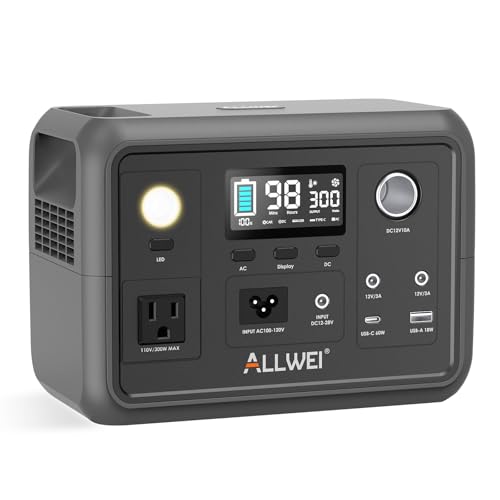
Never use a gas-powered portable generator indoors due to carbon monoxide poisoning. However, battery-powered solar generators like the ALLWEI Portable Power Station 300W are safe for indoor use because they produce no fumes. Always place gas generators outdoors in a dry, well-ventilated area.
How long can a portable generator run continuously?
Runtime varies by model and load. Gas-powered generators can run for 8-14 hours on a full tank at 25% load. The Oxseryn 4400-Watt inverter offers up to 14 hours. Solar generators depend on battery capacity and can run for several hours to days with solar recharging.
Are inverter generators better for home backup?
Inverter generators are often better for sensitive electronics because they produce clean, stable power. They are also quieter and more fuel-efficient. For a home backup, an inverter generator like the Oxseryn 4400-Watt is a great choice. For more guidance, check our best inverter generator for the money guide.