

When the lights go out and the grid fails, having a reliable backup power source can mean the difference between comfort and chaos. Whether you are dealing with a storm-related blackout, rolling brownouts, or an unexpected grid failure, a solar generator offers a clean, quiet, and fuel-free solution. This guide covers the best solar generator for power outage scenarios in 2026, featuring top brands like Jackery, Anker, BLUETTI, and EF ECOFLOW. We have evaluated capacity, output, recharge speed, and overall reliability to help you choose the right system for your home. For more context, check out our guide on Power Stations.



Buying Guide
Capacity and Expandability
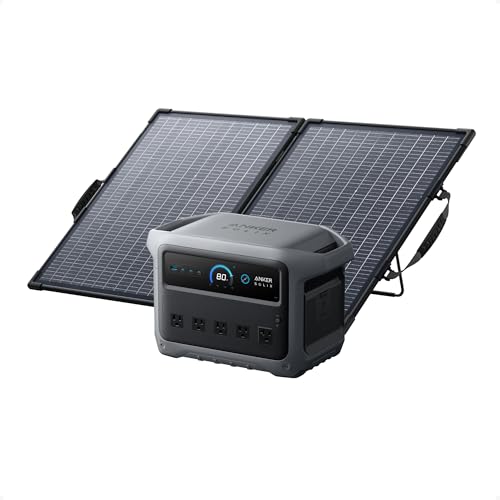
During a power outage, you need enough stored energy to keep essential appliances running for hours or days. Look for a solar generator with a capacity that matches your critical loads. Models like the Jackery HomePower 3600 Pro Max and 2x200W, 3584Wh offer 3.6kWh of storage, expandable up to 43kWh, making them ideal for whole-home backup. The Anker SOLIX F3000 Portable Power Station, 3,072Wh starts at 3kWh and can be expanded to 24kWh with additional batteries. For smaller needs, the BLUETTI Elite 200 V2 Portable Power Station provides 2.1kWh, perfect for powering a refrigerator, lights, and a few devices.
Output Power and Voltage
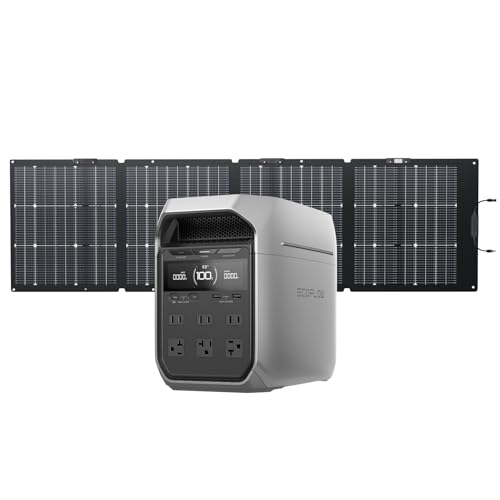
Not all solar generators can run high-wattage appliances like well pumps, air conditioners, or electric ovens. Check the continuous and surge output ratings. The Anker SOLIX F3800 Portable Power Station, 3840Wh delivers up to 6,000W of AC output at both 120V and 240V, capable of powering nearly anything in your home. Similarly, the Jackery HomePower 3600 Pro Max and 2x200W, 3584Wh provides 4,000W of 120V/240V power from a single unit. For lighter loads, the EF ECOFLOW Solar Generator DELTA 3 Plus with 220W offers 1,800W continuous output with X-Boost support for appliances up to 2,200W.
Recharge Speed and Solar Input
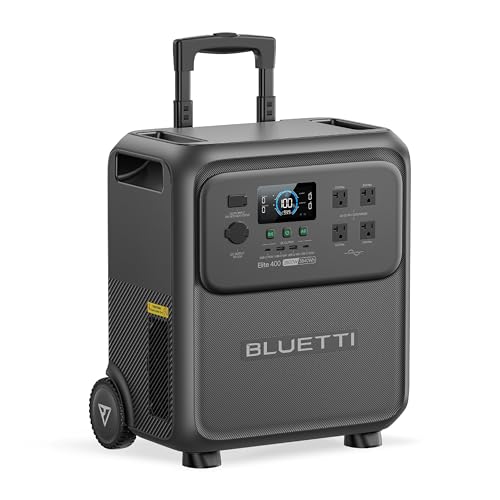
After the power goes out, you want your generator to recharge quickly so you can get back to normal. Look for models with high AC and solar input rates. The Anker SOLIX C1000 Gen 2 Portable Power Station recharges in just 49 minutes with 1,600W AC input, while the BLUETTI Elite 400 Portable Power Station 3840Wh reaches 80% in 70 minutes using 2,800W AC+Solar input. Solar input is also critical: the EF ECOFLOW Delta 3 Plus supports 800W solar input and charges to 80% in 1 hour with its included 220W bifacial panel. For more on solar charging, read our solar generator for off-grid living guide.
Portability and Form Factor
During an emergency, you might need to move your generator from room to room or take it with you if you evacuate. Consider weight, handles, and wheel options. The BLUETTI Elite 400 Portable Power Station 3840Wh features an easy-roll trolley system, making it simple to move its 3.8kWh capacity around. The Anker SOLIX C1000 Gen 2 Portable Power Station is 14% smaller and 11% lighter than similar models, making it highly portable. For a balance of power and portability, the EF ECOFLOW Delta 3 Plus weighs under 30 lbs and includes a carrying handle.
Final Thoughts
Choosing the best solar generator for a power outage comes down to your specific needs. For whole-home backup with massive expandability and dual-voltage output, the Jackery HomePower 3600 Pro Max and 2x200W, 3584Wh is an outstanding choice, offering 4kW–8kW auto backup and a 16-year lifespan. If you prefer a more portable solution with fast recharge and a lower price point, the BLUETTI Elite 200 V2 Portable Power Station delivers 2.6kW output and a 70-minute full charge, perfect for powering essential devices during short outages. Whichever you choose, investing in a quality solar generator ensures peace of mind when you need it most.
Frequently Asked Questions
How long can a solar generator power my home during an outage?
This depends on the generator’s capacity and your power consumption. A 3.8kWh model like the BLUETTI Elite 400 can run a refrigerator (150W) for about 25 hours, or a combination of lights, a TV, and a fan for 10 to 15 hours. Expandable models like the Jackery HomePower 3600 Pro Max can be scaled up to 43kWh for days of backup.
Can I use a solar generator indoors?
Yes, solar generators are safe for indoor use because they produce no fumes or carbon monoxide. Unlike gas generators, they are silent and clean, making them ideal for use in living spaces, garages, or basements during power outages. Always follow the manufacturer’s safety guidelines.
What appliances can I run with a solar generator?
Most solar generators can power small electronics like phones, laptops, and lights. Mid-range models (2 to 3kWh) can run refrigerators, freezers, and sump pumps. High-capacity units (3.8kWh and above) with 240V output can power larger appliances like electric ovens, dryers, and well pumps. Check the generator’s output rating and your appliance’s wattage.
How do I recharge a solar generator during a multi-day outage?
You can recharge using solar panels, a car alternator, or a gas generator if available. For solar, aim for at least 600W of panels for a 3.8kWh unit to recharge in a day. Models like the Anker SOLIX F3000 support pass-through charging, allowing you to run appliances while recharging from a generator. For tips on maximizing solar charging, see our solar generator for RV boondocking guide.


