

When the grid goes down, your family’s comfort and safety depend on a seamless backup power plan. Finding the best electrician for whole house generator installation is only half the battle; you also need the right system behind it.
This guide reviews seven standby and battery backup systems for 2026, with practical buying advice to help you match power output, fuel type, and installation requirements to your home. For a broader overview, see our roundup of top rated home generators for whole house coverage.




How to Choose a Whole House Generator System
Before you call an electrician, narrow down the systems that fit your home’s electrical load and fuel setup. These four criteria matter most.
Power Output and Load Matching
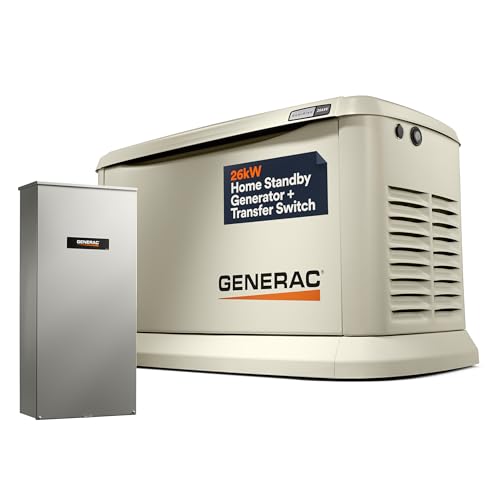
Start by calculating your home’s running wattage and surge needs. A 10kW unit like the Generac 10kW Whole Home Generator handles essentials, while a 22kW or 26kW model can carry central air, EV chargers, and more.
Oversizing wastes fuel; undersizing causes nuisance trips. Our standby electric generator reviews break down real-world load behavior for common home sizes.
Fuel Type and Availability
Natural gas offers endless runtime without refueling, while propane requires a tank but works in areas without gas lines. Most Generac and Honeywell units are dual fuel capable.
Battery systems like the EF ECOFLOW Power Station 12288Wh Delta Pro Ultra X skip fuel entirely and pair well with solar. Compare options in our residential standby generator guide.
Transfer Switch and Installation Complexity
A 200-amp automatic transfer switch is standard for whole house coverage and must be installed by a licensed electrician. Generac bundles smart switches with most Guardian models for faster permitting.
Monitoring and Maintenance
Wi-Fi and cellular monitoring let you track status, receive alerts, and schedule service remotely. Generac’s Mobile Link and Honeywell’s LCD panel both simplify upkeep.
Regular oil and filter checks keep any standby unit reliable. Browse the full standby generators category for more maintenance tips.
Final Thoughts
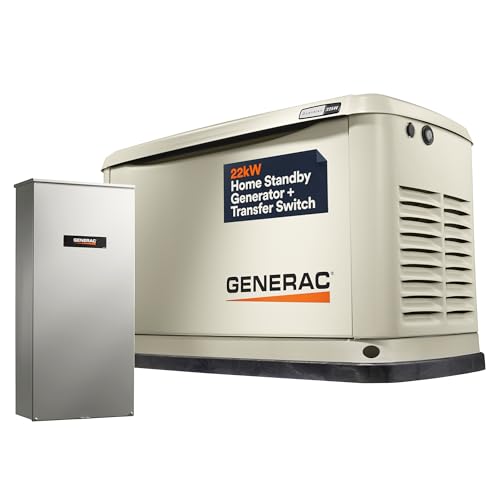
For most homeowners, the Generac Guardian 22kW Home Generator delivers the best balance of whole house coverage, smart monitoring, and proven reliability. If you prefer a fuel-free, expandable system that can move with you, the EF ECOFLOW Power Station 12288Wh Delta Pro Ultra X is a compelling alternative. Either way, hire a certified electrician to handle the transfer switch and permit work.
Frequently Asked Questions
How do I find the best electrician for whole house generator installation?
Look for a licensed electrician with standby generator experience and manufacturer certifications. Ask for references, confirm permit handling, and verify insurance before signing. Generac’s dealer locator is a solid starting point in 2026.
What size generator do I need for a whole house?
Most homes need 14kW to 26kW depending on square footage, HVAC load, and appliances. A 14kW unit suits smaller homes, while 22kW to 26kW models support central air and EV charging. An electrician can perform a load calculation to confirm.
Can a battery system replace a gas standby generator?
Yes, for many homes. Systems like the EF ECOFLOW Delta Pro Ultra X switch over in under 20 milliseconds and scale up to 180kWh. They pair well with solar and avoid fuel deliveries, though runtime depends on battery capacity. See our off grid generator picks for more options.
How long does whole house generator installation take?
Typical installations take one to three days once permits are approved. Gas line work, concrete pads, and electrical inspections can extend the timeline. Scheduling in November often avoids peak-season delays.


