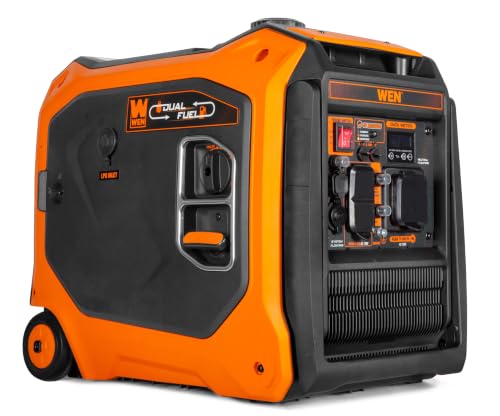

When the power goes out, you need a generator you can count on. Generac has built a reputation for reliable, durable home backup power, and their portable inverter generators are a top choice for homeowners. This guide reviews the best Generac portable generator for home use in 2026, covering dual-fuel options, clean power output, and safety features to help you keep your essentials running.
We evaluated seven models from the Generac lineup, from compact units for camping to heavy-duty tri-fuel generators for whole-house backup. Whether you need to power a refrigerator, lights, and a sump pump, or run sensitive electronics like a CPAP machine, there is a Generac model for you. For a broader look at home backup options, check out our guide on the best Generac generator for home.


Buying Guide
Power Output and Starting Watts
The first thing to consider is how much power you need. Running watts indicate the continuous load the generator can handle, while starting watts (or surge watts) cover the extra draw needed to start motors in appliances like refrigerators, air conditioners, and sump pumps. For home backup, a model with 3,000 to 5,000 running watts is often sufficient for essentials, but if you plan to run larger equipment or multiple appliances, aim for 8,000 running watts or more. The Generac GP8000E, for example, delivers 8,000 running watts and 10,000 starting watts, making it a strong contender for whole-home backup.
For a deeper dive into power requirements, see our best portable inverter generator for home use guide.
Fuel Type and Flexibility
Generac offers gasoline, dual-fuel (gasoline and propane), and tri-fuel (gasoline, propane, and natural gas) models. Dual-fuel generators give you flexibility: propane burns cleaner and stores indefinitely, while gasoline is more widely available and provides higher wattage. Tri-fuel models like the Generac 12,500 Starting Watt Tri-Fuel can connect to your home’s natural gas line for virtually unlimited runtime during extended outages. If you are looking for versatility, a dual-fuel inverter generator is often the best choice. Explore more in our best dual fuel portable inverter generator review.
Clean Power and Inverter Technology
Inverter generators produce stable sine-wave power with less than 3% total harmonic distortion (THD), making them safe for sensitive electronics such as laptops, CPAP machines, and medical devices. Generac’s TruePower and variable-speed inverter technologies ensure clean, reliable power. If you plan to charge phones, run a TV, or operate a computer during an outage, an inverter model is a must.
Portability and Noise Level
Home backup generators need to be easy to move and store. Look for models with never-flat wheels, folding handles, and a weight you can manage. The Generac GP3300i weighs under 60 pounds and is hand-portable, while larger units like the 12,500-watt tri-fuel model have wheels and a folding handle for easier transport. Noise is another factor: many Generac inverter generators feature Economy Mode that reduces engine speed and noise when full power is not needed, making them quieter than conventional generators. For quiet operation, check our best quiet inverter portable generator picks.
Final Thoughts
Choosing the best Generac portable generator for home depends on your specific needs: if you want fuel flexibility and clean power for sensitive electronics, the Generac 3,800 Watt Dual-Fuel Portable Inverter is an excellent choice for most households, offering dual-fuel capability, quiet operation, and CO detection. For those needing more raw power for larger appliances or whole-home backup, the Generac 10,000 Starting Watt Gas Powered generator delivers robust performance with PowerRush technology and COsense safety, making it a powerful option for extended outages.
Frequently Asked Questions
How do I choose the right size Generac generator for my home?
Start by listing the essential appliances you want to power during an outage, such as a refrigerator, lights, a sump pump, and a few electronics. Add up their running watts and then account for the starting surge of motor-driven appliances. A generator with 3,000 to 5,000 running watts is usually enough for basic home backup, while larger homes may need 8,000 to 10,000 running watts. For a detailed breakdown, see our generac vs westinghouse generator comparison.
What is the difference between a conventional generator and an inverter generator?
Conventional generators produce power with higher total harmonic distortion (THD), which can damage sensitive electronics. Inverter generators, like the Generac models we reviewed, produce clean sine-wave power with less than 3% THD, making them safe for laptops, CPAP machines, and other sensitive devices. They also tend to be more fuel-efficient and quieter, especially with Economy Mode engaged.
Can I use a Generac generator in an RV?
Yes, many Generac portable generators are RV-ready. Look for models with a 120V/30A locking outlet (L5-30R) to connect directly to your RV’s power inlet. The Generac 3,800 Watt Dual-Fuel Portable Inverter and the Generac 5,200 Watt Dual Fuel Portable Inverter both include this outlet and are parallel-ready if you need more power for a larger RV.
How does COsense technology work on Generac generators?
COsense is an onboard carbon monoxide detection system that continuously monitors CO levels around the generator. If dangerous concentrations are detected, the generator automatically shuts down before CO reaches a hazardous threshold. This is a critical safety feature, especially if you are using the generator near a home, tent, or partially enclosed space. Always operate generators outdoors and away from windows and doors.