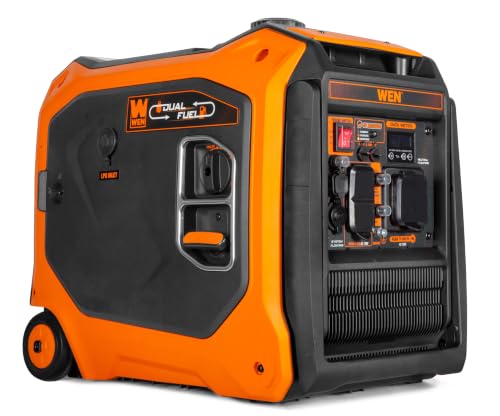

When the power goes out, you need a reliable backup plan. The debate between Generac vs Champion generator options is a common one, and for good reason. Both brands offer solid machines, but they cater to different priorities. This guide breaks down the key differences to help you choose the right one for your home, RV, or job site.
We have evaluated the top models from both brands, focusing on power output, fuel flexibility, and ease of use. Whether you need a portable unit for camping or a whole-home standby system, you will find the answers here. For more comparisons, check out our generac vs westinghouse generator guide.


Buying Guide: How to Choose Between Generac and Champion
Power Output and Surge Capacity
First, consider how much wattage you actually need. Champion offers models like the 11,000-Watt Remote Start Tri Fuel with 11,000 starting watts. Generac’s 12,500 Starting Watt Tri-Fuel provides even more surge capacity, thanks to PowerRush technology.
If you plan to run heavy appliances like central AC or a well pump, a higher starting wattage is essential. For RVs and smaller loads, a 6,500 or 8,500-watt unit may suffice. Always calculate your total running and starting watts before making a decision.
Fuel Flexibility: Tri-Fuel vs Dual-Fuel
Both brands offer tri-fuel options that run on gasoline, propane, or natural gas. This is a huge advantage because you can choose the most convenient or available fuel during an outage. Champion includes hoses for natural gas and propane right out of the box, which adds value.
Generac’s tri-fuel models also feature a simple dial to switch between fuels. If you have a natural gas line at home, a tri-fuel generator can provide virtually unlimited runtime. For more on fuel options, see our best Generac portable generator for home guide.
Portability and Noise Level
If you need to move your generator around, weight and wheel size matter. Champion’s inverter models are often lighter and quieter, operating at around 64 dB(A). Generac’s larger portables can weigh over 200 pounds, but they come with never-flat wheels and a folding handle.
For camping or RV use, a quieter inverter generator is a better choice. For home backup, noise might be less of a concern. Check out our best quiet inverter portable generator picks for more options.
Smart Features and Remote Monitoring
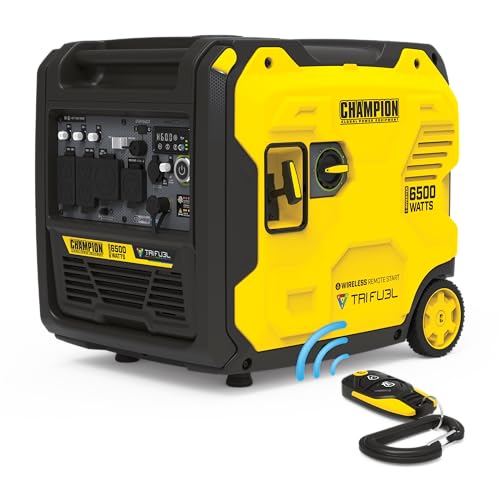
Generac’s whole-home standby generators offer built-in cellular monitoring through the Mobile Link app. You can check status and receive alerts from anywhere. Champion’s portable units include wireless remote start key fobs, letting you start the generator from up to 80 feet away.
These features add convenience and peace of mind. If you want automatic backup with minimal effort, a standby generator is worth the investment. For a deeper dive into comparisons, visit our comparisons category.
Final Thoughts
In the battle of Generac vs Champion, the right choice depends on your specific needs. For a versatile and portable option with tri-fuel capability, the Champion 8500-Watt Remote Start Tri Fuel is an excellent pick. If you prefer automatic whole-home backup with remote monitoring, the Generac 10kW Whole Home Generator delivers unmatched convenience and reliability.
Frequently Asked Questions
Which is more reliable, Generac or Champion?
Both brands have strong reputations. Generac is a leader in standby generators and offers a 5-year warranty on many models. Champion provides a 3-year warranty and free lifetime technical support. In 2026, both are solid choices, but Generac’s automatic standby systems are often considered more dependable for whole-home backup.
Can a Champion generator power a house?
Yes, many Champion portable generators can power essential home circuits. Models like the 11,000-Watt Remote Start Tri Fuel can handle refrigerators, lights, and even a window AC. You will need a transfer switch to connect it safely to your home’s electrical panel.
What is the difference between a portable and standby generator?
A portable generator runs on gas, propane, or natural gas and must be manually started and connected. A standby generator is permanently installed, automatically detects outages, and powers your home within seconds. Standby units are more expensive but offer hands-off operation.
Are tri-fuel generators worth it?
Tri-fuel generators are worth it if you want flexibility. You can switch between gasoline, propane, or natural gas based on availability and cost. This is especially useful during extended outages when fuel supplies may be limited. For more insights, explore our backup guides.