
When the lights flicker and the grid goes down, a whole home generator can be your lifeline. Whether you are facing a storm, a grid failure, or an unexpected blackout, having a reliable backup power source keeps your family safe, your food fresh, and your home comfortable. In this guide, we review the best whole home generators for power outages in 2026, covering both permanent standby units and versatile portable options from trusted brands like Generac, Westinghouse, DuroMax, and DuroStar.
We have evaluated ten top-rated models to help you choose the right solution for your home. From automatic standby generators that kick in within seconds to portable dual-fuel and tri-fuel units that offer flexibility, this guide covers everything you need to know. For more insights, check out our best whole house generators for power outages article.







Buying Guide
Power Output: Matching Your Home’s Needs
Your generator’s wattage determines which appliances and systems it can run. A 10 kW unit can power essentials like lights, a refrigerator, and a furnace, while a 22 kW model can handle central air conditioning, well pumps, and even an electric range. Calculate your home’s critical loads to decide the right size. For larger homes, explore our best 14kW standby generator options for more power.
Portable generators like the DuroMax XP13000HX offer 13,000 watts, making them suitable for whole home backup when paired with a transfer switch. Standby units like the Generac 22kW provide seamless automatic power without manual setup.
Fuel Type: Gasoline, Propane, or Natural Gas
Fuel flexibility is crucial during extended outages. Dual-fuel generators run on gasoline or propane, while tri-fuel models add natural gas for unlimited run time if you have a gas line. Propane and natural gas burn cleaner and have longer shelf lives than gasoline. The Westinghouse 14500 Peak Watt Tri-Fuel Home Backup offers three fuel options for maximum adaptability.
Standby generators typically run on natural gas or propane, connecting directly to your home’s fuel supply. Portable units give you the freedom to switch fuels based on availability and cost.
Installation and Transfer Switch Compatibility
Standby generators require professional installation and an automatic transfer switch (ATS) to safely connect to your home’s electrical panel. Portable generators can be used with a manual transfer switch or interlock kit for a more budget-friendly setup. The Westinghouse 14500 Peak Watt Dual Fuel Home Backup is designed to pair with the WATS200 automatic transfer switch for automatic backup power.
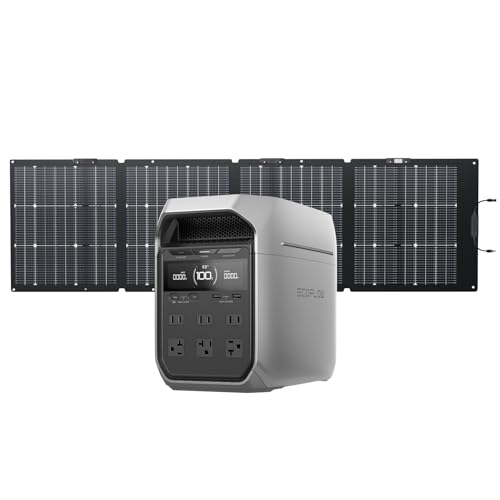
If you prefer a battery-based solution, the best whole house generator battery system options offer silent, emission-free backup with solar charging capabilities.
Noise Level and Run Time
Generator noise can disturb your household and neighbors. Standby units are generally quieter than portable models, often operating around 60 to 70 dB. Run time at 50% load varies: portable generators with larger fuel tanks can run 12 to 19 hours, while standby units run indefinitely on a continuous fuel supply. The Westinghouse 12500 Watt Dual Fuel Home Backup offers up to 12 hours of run time on a 6.6-gallon tank.
Final Thoughts
Choosing the right whole home generator depends on your home’s size, power needs, and budget. For effortless automatic backup with whole house coverage, the Generac 22kW Whole Home Generator is a top-tier choice with remote monitoring and a 5-year warranty. If you prefer a portable, fuel-flexible option at a lower cost, the DuroMax XP13000HX 13,000-Watt Dual Fuel delivers robust power with dual fuel capability and a CO alert safety feature. Both models provide peace of mind during power outages.
Frequently Asked Questions
What size whole home generator do I need for a typical house? For a 2,000 to 3,000 square foot home with essential loads like lights, refrigerator, furnace, and well pump, a 10 to 14 kW generator is usually sufficient. Larger homes with central air conditioning may require 20 to 22 kW. For more details, see our best 25 kW standby generator options.
Can a portable generator power my whole house? Yes, if it has enough wattage and you use a transfer switch or interlock kit. Portable generators like the DuroStar DS13000MX can power most home circuits when properly connected. They require manual setup and refueling.
How long do whole home generators last? Standby generators typically last 20 to 30 years with proper maintenance, including regular oil changes and battery checks. Portable generators have a shorter lifespan, around 10 to 15 years, depending on usage and care.
Are whole home generators worth the investment in 2026? With increasing power outages due to weather and grid instability, a whole home generator adds security and convenience. It protects your home, food, and medical devices, and can increase property value. For natural gas options, check our best whole house generator natural gas guide.