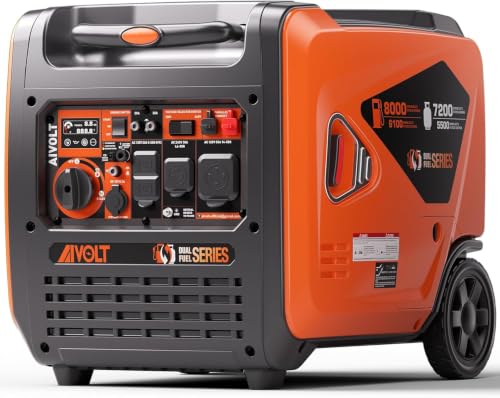

When a storm knocks out the power, your home’s comfort and safety hinge on a reliable backup power source. Portable dual fuel generators offer a flexible solution, letting you run your essential appliances on either gasoline or propane. This guide evaluates the best portable dual fuel generators for home use, helping you choose a model that fits your power needs and budget.


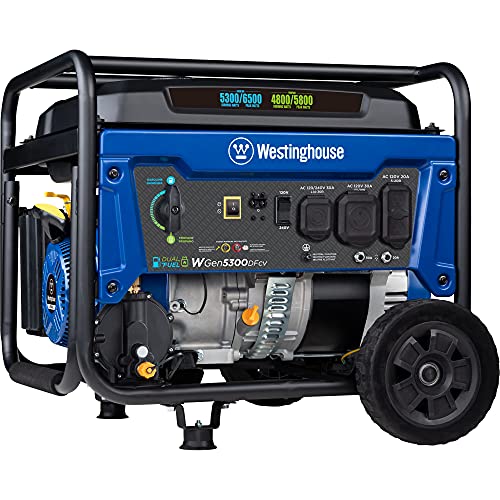

Buying Guide: What to Look For in a Portable Dual Fuel Generator
Choosing the right generator for your home involves more than just picking the highest wattage. You need to consider how you’ll use it, what you’ll power, and how easy it is to operate. Here are the key factors we evaluated when selecting our top picks.
Power Output and Starting Watts
Assess your essential appliances: fridge, sump pump, lights, and perhaps a window AC. The starting watts (peak) handle the initial surge, while running watts sustain them. For whole-home backup, models like the DuroMax XP13000HX deliver robust power, but for smaller needs, a 4500-watt inverter generator may suffice.
If you’re unsure about sizing, our guide on choosing a dual fuel generator for a house offers detailed advice.
Fuel Type and Runtime
Dual fuel generators run on gasoline or propane. Gasoline is readily available but has a shorter shelf life. Propane burns cleaner and stores longer, making it ideal for emergencies. Check the runtime at 25% load on each fuel type to ensure it meets your needs.
For a deeper dive into the pros and cons, see our dual fuel generators pros and cons article.
Portability and Start Method
Consider the weight and wheel kit. Larger units are heavy, so look for sturdy wheels and folding handles. Electric start with a remote key fob, like on many Westinghouse models, adds convenience, especially during cold weather. Recoil start is a reliable backup.
Safety Features and Noise Level
Safety is paramount. CO sensors shut down the generator if carbon monoxide reaches dangerous levels, protecting your family. Look for automatic low-oil shutdown. Noise levels vary; inverter models are quieter, making them suitable for camping or neighborhoods. If quiet operation is a priority, explore our picks for quiet dual fuel generators.
Final Thoughts
After evaluating the top models, the DuroMax XP13000HX 13,000-Watt Dual Fuel stands out for whole-home backup with its high output and CO Alert, while the ERAYAK 4500W Dual-Fuel Portable Inverter Generator is a compact, quiet choice for essential appliances and RV use. Both offer the flexibility of gas and propane, ensuring you have power when you need it most.
Frequently Asked Questions
What size dual fuel generator do I need for my house?
The size depends on the essentials you want to power. A 5,000 to 7,500-watt generator can handle a refrigerator, lights, and a sump pump. For central air or electric heating, you may need 10,000 watts or more. Use a wattage calculator to estimate your needs.
Can I run a dual fuel generator on propane indefinitely?
Yes, as long as you have a propane supply. Propane has a long shelf life, so you can store it for emergencies. However, you’ll need to connect a large tank or refill regularly. Check the generator’s runtime on propane to plan accordingly.
Are dual fuel generators safe for indoor use?
No, never run a generator indoors, including garages or basements, due to carbon monoxide poisoning risk. Always place it outdoors, away from windows, doors, and vents. Look for models with CO sensors for added safety.
How do I switch between gasoline and propane?
Most dual fuel generators have a fuel selector valve. Turn off the generator, switch the valve to the desired fuel, and connect the appropriate hose. Some models, like the ERAYAK, feature auto-switch to gasoline when propane runs out, providing uninterrupted power.