
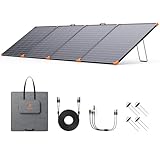
Picture this: you are parked at a remote campsite, the sun is dipping low, and your power station is running on fumes. Standard solar panels often struggle in low light, leaving you guessing if you will have enough juice for the night. That is where the ZOUPW 450W and 480W bifacial portable solar panels come in. These units use advanced N-Type 16BB cells and a dual-sided design to capture more energy from dawn to dusk. In this guide, we break down the key differences between the three ZOUPW models, help you choose the right one for your setup, and share practical buying tips for 2026.




Buying Guide: What to Look for in a Portable Solar Panel
Efficiency and Cell Technology
Not all solar cells are created equal. The ZOUPW panels use N-Type 16BB (16 busbar) monocrystalline cells, which offer higher efficiency and better performance in low light than older P-Type cells. The ZOUPW 480W Bifacial Portable Solar Panel N-Type boasts a 25% conversion rate, while the PRO version reaches 25.6%. This means you get more power per square foot, especially during cloudy mornings or late afternoons.
Bifacial Design for Extra Output
Bifacial panels capture sunlight from both the front and rear sides. On reflective surfaces like snow or sand, this can boost total output by up to 30%. Both the 480W and 450W PRO models feature this design, making them ideal for campers who set up on varied terrain. The standard 450W model is single-sided, so it is a better fit for users who prioritize simplicity and lower cost.
Portability and Weight
If you move camp often, weight matters. The 450W PRO tips the scale at just 20.9 pounds, while the 480W model is 22.5 pounds. Both are significantly lighter than traditional glass panels. The foldable design and included carry bag make setup a one-person job. For RV owners, this means less strain on roof mounts and easier storage when not in use.
Compatibility with Power Stations
Before you buy, check your power station’s input voltage. The ZOUPW panels operate at a high voltage (around 42-46V), which works seamlessly with units like EcoFlow Delta series, Anker SOLIX, and BLUETTI Elite models. However, they are not compatible with low-voltage units that require under 30V input, such as older Jackery or BLUETTI EB70S models. If you use a CPAP machine while camping, pairing one of these panels with a compatible power station can keep your device running all night. For more details, see our guide on the best portable power station for CPAP machines.
Final Thoughts
After evaluating all three models, we believe the ZOUPW 450W PRO Bifacial Portable Solar Panel strikes the best balance of high efficiency, light weight, and smart anti-shading technology for serious off-grid adventurers, while the ZOUPW 450W Portable Solar Panel N-Type 16BB offers a more budget-friendly option for those who do not need bifacial gains or the extra features of the PRO version. Whichever you choose, you are getting a well-engineered panel that can keep your gear powered in the wild.
Frequently Asked Questions
Can I use a ZOUPW solar panel with my EcoFlow Delta 2?
Yes, the ZOUPW panels are designed to work with EcoFlow Delta series power stations that accept 40-60V MPPT input. The included 4-in-1 connector cable has an XT60 plug that fits most EcoFlow units. Always check your power station’s manual for the exact voltage range before connecting.
How much power can I expect from the bifacial design?
On a sunny day with a reflective surface like snow or sand, the rear side can add up to 30% more output. On grass or dirt, expect a smaller gain of around 10-15%. The actual boost depends on the albedo of the ground and the angle of the panel.
Are these panels waterproof?
Yes, both the 480W and 450W PRO models are rated IP68, meaning they are fully sealed against dust and can withstand immersion in water. They are safe to leave out in rain or snow. The standard 450W model also has a durable waterproof coating, but we recommend storing it in the included bag when not in use.
What is the warranty on ZOUPW solar panels?
ZOUPW backs all three models with a 36-month warranty and 24/7 customer support. This covers manufacturing defects and performance issues. For off-grid living, a reliable warranty is essential. Check out our guide on top solar generators for off grid living for more tips on building a dependable system.