
When the power goes out or you head off-grid, a dual fuel generator offers the flexibility to run on either gasoline or propane. This versatility can be a lifesaver, but it also comes with trade-offs. In this guide, we break down the pros and cons of dual fuel generators and review nine of the best models on the market in 2026. Whether you need whole-home backup power or a portable unit for camping, understanding these factors will help you make the right choice. For a deeper look at home backup options, check out our roundup of the best dual fuel portable generators for a house.




Buying Guide
Fuel Flexibility: Gasoline vs. Propane
The main advantage of a dual fuel generator is the ability to switch between gasoline and propane. Gasoline provides higher peak wattage, making it ideal for heavy loads like well pumps or large appliances. Propane, on the other hand, burns cleaner and has a longer shelf life, so it is a reliable backup fuel for emergencies. Many models, such as the best dual fuel all-electric generators, let you change fuel types in seconds with a simple selector switch.
However, propane offers slightly lower running wattage than gasoline, and you will need a propane tank (not always included). For RV users, propane is often more convenient because it can be used with existing onboard tanks. For job sites, gasoline may be easier to refuel. Consider your primary use case to decide which fuel will be your main source.
Power Output: Running Watts and Surge Watts
Power requirements vary widely. A small inverter generator like the WEN DF360iX provides around 2900 running watts on gasoline, which is sufficient for lights, a refrigerator, and electronics. For whole-home backup, models like the Westinghouse iGen12000DFc deliver up to 9000 running watts on gas, enough to handle multiple circuits. Always check both running and surge (peak) watts to ensure the generator can handle startup loads from motors and compressors.
If you need clean power for sensitive electronics, look for units with low total harmonic distortion (THD). The best portable generators with low THD produce less than 5% THD, which is safe for laptops, phones, and TVs. Inverter generators are especially good at this, as they adjust engine speed to match the load.
Portability and Noise Level
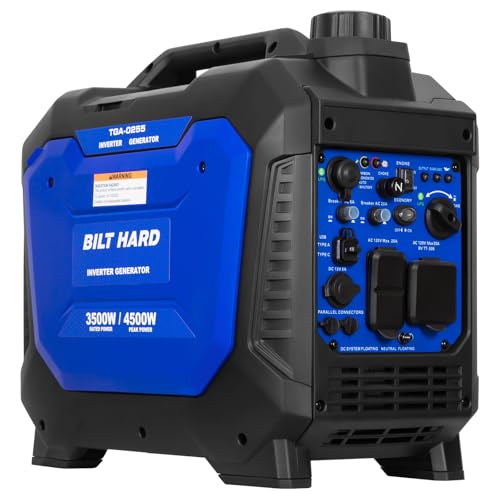
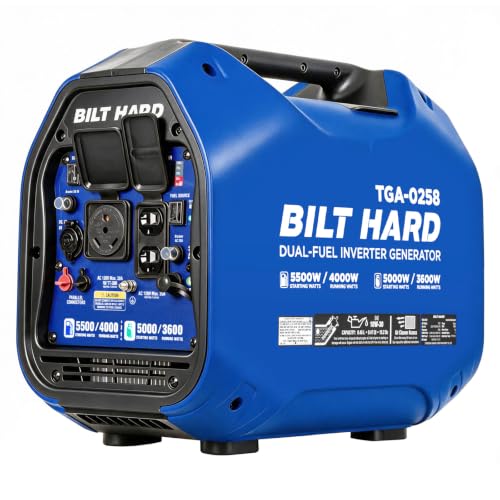
If you plan to move your generator between home, RV, and campsites, weight and noise matter. Compact models like the BILT HARD 4500W weigh under 100 pounds and feature built-in handles or wheels. Larger units such as the DuroMax XP13000HX are heavier but often come with a wheel kit for easier transport. Noise levels range from about 58 dBA (conversation-friendly) to 64 dBA (still relatively quiet). For RV and camping, lower decibel ratings are a big plus.
Inverter generators are generally quieter than conventional models because they run at lower RPMs under light loads. The Westinghouse iGen12000DFc, for example, operates at as low as 64 dBA, making it neighborhood-friendly. For travel trailers, check out our guide to the best dual fuel inverter generators for RV use.
Safety Features and Durability
Carbon monoxide (CO) shutdown sensors are now standard on many dual fuel generators, automatically turning off the unit if dangerous CO levels are detected. This is a critical safety feature, especially for indoor or garage use (though generators should always be used outdoors). Low-oil shutdown protects the engine from damage, and some models like the Westinghouse 14500 Peak Watt include pressure lubrication systems for longer engine life.
Durability is also key. Look for all-copper windings, heavy-duty steel frames, and reliable engine brands like DuroMax or Westinghouse. The DuroMax XP13000EH review highlights how robust construction and CO Alert technology make these generators a solid investment for emergency preparedness.
Final Thoughts
Choosing a dual fuel generator comes down to balancing fuel flexibility, power needs, portability, and safety. For whole-home backup with top-tier features, the Westinghouse 12000 Peak Watt Dual Fuel stands out with its inverter technology, low THD, and transfer switch readiness. For a budget-friendly, lightweight option perfect for RV or camping, the WEN Quiet and Lightweight 3600-Watt Dual Fuel offers quiet operation and clean power at a fraction of the cost. Both models deliver the pros of dual fuel (versatility and fuel storage options) while minimizing the cons (slightly lower propane wattage and added complexity). Evaluate your specific needs, and you will find the right generator to keep your lights on and your devices running.
Frequently Asked Questions
Can I run a dual fuel generator on propane only?
Yes, most dual fuel generators can run exclusively on propane. They come with a propane hose and regulator that connects to a standard LPG tank. Just switch the fuel selector to propane mode and ensure the tank is full. This is a great option for clean, long-term storage fuel.
How long will a dual fuel generator run on a tank of propane?
Run time depends on the generator’s fuel consumption and tank size. A 20-pound propane tank typically provides 5 to 10 hours of run time at 50% load, while larger tanks can last longer. Many models also feature eco mode, which extends run time by adjusting engine speed to match the load.
Is it safe to use a dual fuel generator indoors?
No, you should never use a generator indoors, even if it has a CO sensor. Carbon monoxide is odorless and deadly, and indoor use can lead to poisoning. Always operate the generator outdoors in a well-ventilated area, at least 20 feet from windows and doors. The built-in CO sensor is an extra safety layer, not a substitute for proper placement.
What is the difference between an inverter generator and a conventional generator?
Inverter generators use advanced electronics to produce cleaner power with lower total harmonic distortion (THD), making them safe for sensitive electronics like laptops and TVs. They also adjust engine speed to match the load, which reduces noise and fuel consumption. Conventional generators run at a fixed speed and may produce less stable power. For more details, see our guide on portable generators with low THD.