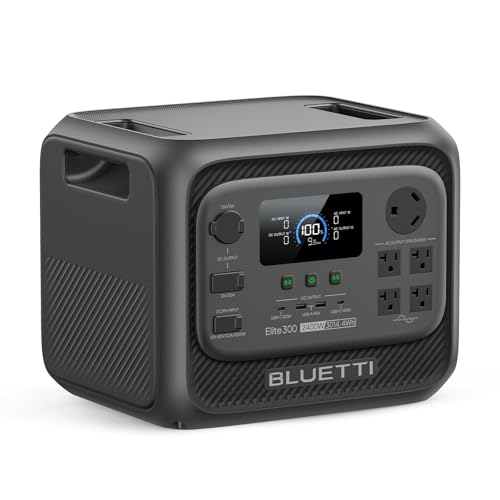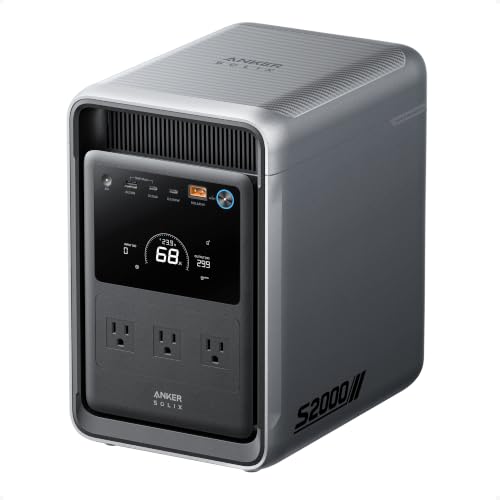
Picture this: a sudden storm knocks out your power for hours, or you’re camping miles from the nearest outlet. You need electricity for your fridge, phone, or medical device. A solar generator offers a quiet, emission-free solution. But with so many options and price points, you’re right to ask: is a solar generator worth it? In this guide, we break down the real-world value of these portable power stations, covering key factors like capacity, charging speed, and durability. We also review six top models from trusted brands like Jackery, MARBERO, and Anker to help you decide if this investment pays off for your lifestyle.
Product Comparison



Buying Guide: What to Look For in a Solar Generator
Capacity and Power Output
Capacity, measured in watt-hours (Wh), determines how long your devices will run. For small electronics like phones and laptops, a 300Wh unit may suffice. For powering a refrigerator or sump pump during an outage, look for 1000Wh or more. Also consider the AC output wattage: a 1500W unit can handle most household appliances, while a 300W model is better suited for charging laptops and small fans. For a deeper look at sizing, see our guide on what size portable power station you need.
Matching capacity to your usage is key. If you plan to run a mini fridge for a weekend camping trip, a 500Wh model might be enough. For whole-home backup during a multi-day outage, you may need 2000Wh or more. Always add a buffer for unexpected needs.
Battery Chemistry and Lifespan
Most modern solar generators use lithium-ion or lithium iron phosphate (LiFePO4) batteries. LiFePO4 is safer and lasts much longer, often rated for over 4,000 charge cycles before degrading to 70% capacity. This translates to more than a decade of reliable use. Units like the Jackery Explorer 300 and Jackery Solar Generator 1000 v2 use LiFePO4, making them a smart long-term investment.
Lithium-ion batteries are lighter and cheaper upfront but may need replacement sooner. If you plan to use your generator frequently, LiFePO4 is worth the extra cost. For occasional emergency use, a standard lithium-ion unit can still provides good value.
Charging Options and Speed
Solar generators can be recharged via AC wall outlets, car ports, or solar panels. Fast charging is a major selling point. The Jackery Solar Generator 1000 v2 can charge from 0 to 100% in one hour using its emergency mode via the app. Solar charging times vary by panel wattage and sunlight. For a full overview of top models, check our list of best solar generators.
If you plan to rely primarily on solar power, ensure the unit supports solar panel compatibility. Most units support pass-through charging, meaning you can charge the generator while it powers your devices.
Portability and Weight
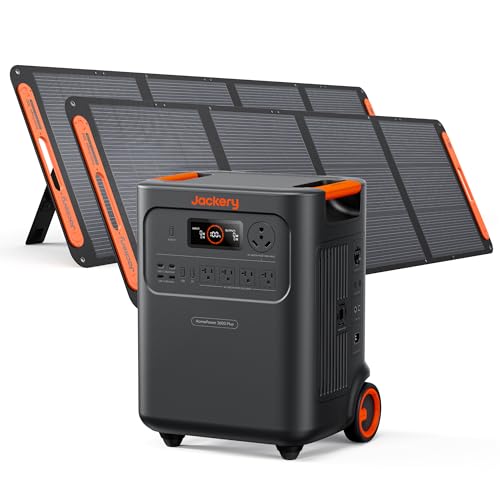
Weight matters for camping or RV use. The Jackery Explorer 300 weighs only 7.5 pounds, making it easy to carry on hikes. Larger units like the Jackery HomePower 3600 Plus have wheels and a telescopic handle for rolling. For home backup, weight is less critical, but for tailgating or overlanding, a lightweight design is essential.
Consider the form factor: some models have foldable handles, others are suitcase-style. The MARBERO Portable Power Station is a compact 2.27-pound unit that fits in a backpack, ideal for day trips.
Final Thoughts
After evaluating these models, the answer to is a solar generator worth it depends on your specific needs. For versatile, all-around camping and emergency backup, the Jackery Solar Generator 1000 v2 and 200W Solar delivers outstanding value with its fast charging, high capacity, and LiFePO4 battery with a 10-year lifespan. For a lightweight, ultra-portable backup for small electronics, the MARBERO Portable Power Station with AC Outlet 100W is a budget-friendly, affordable option that fits in a backpack and provides a real AC outlet for laptops and fans. Whichever you choose, a solar generator offers quiet, clean power that can save you money over time compared to gas generators, making it a worthwhile investment for many households.
Frequently Asked Questions
How long does a solar generator last?
Modern solar generators with LiFePO4 batteries can last over 10 years with regular use. The Jackery Explorer 1000 v2, for example, maintains over 70% capacity after 4,000 charge cycles. Even standard lithium-ion units typically last 3 to 5 years. For more longevity, see our guide on choosing a portable power stations.
Can a solar generator run a refrigerator?
Yes, many solar generators can power a refrigerator. A typical fridge uses 100 to 200 watts, so a 1500W unit like the Jackery Solar Generator 1000 v2 can run it for about 5 to 10 hours, depending on capacity. Larger units like the Jackery HomePower 3600 Plus can run a fridge for over a day.
How much does a solar generator charge?
Charging time varies. With a 200W solar panel, a 1000Wh generator can charge in about 5 to 6 hours of full sun. Smaller units like the MARBERO 88.8Wh can charge in 2 hours via USB-C PD. For fast AC charging, the Jackery 1000 v2 can go 0 to 100% in one hour using emergency mode.
Is a solar generator worth it for home backup?
Yes, if you face frequent short outages, a solar generator is a clean, silent, and emission-free alternative to gas generators. Units like the Jackery HomePower 3600 Plus can power a 3-person household for over 2 weeks with multiple units. For occasional use, a 1000Wh model may be a good start. Compare options in our inverter generator vs portable power station comparison.