Imagine a storm knocks out your power for days, or you’re camping off-grid and your fridge is warming up. You need reliable backup energy, and two names dominate the conversation: Anker SOLIX and EcoFlow. In this guide, we compare top Anker SOLIX models against EcoFlow’s lineup to help you pick the right portable power station for your home, RV, or adventures. We focus on capacity, recharge speed, and value, with clear recommendations for different needs.



Buying Guide: What to Look For in a Portable Power Station
Capacity and Runtime
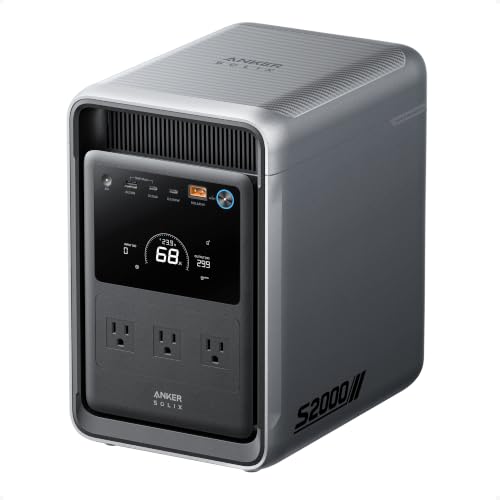
Capacity, measured in watt-hours (Wh), determines how long your devices stay powered. A 2kWh station like the Anker SOLIX S2000 can run a fridge for 35 hours, while a 3kWh model like the F3000 extends that to 42 hours. Consider what you need: for weekend camping, 2kWh is often enough; for whole-home backup, aim for 3kWh or more.
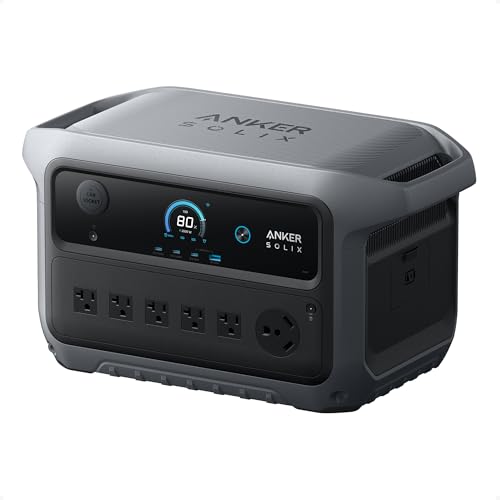
Runtime also depends on idle power draw. The Anker SOLIX C2000 Gen 2 uses only 9W on standby, which means less energy wasted and longer backup times. EcoFlow models also offer efficient standby, but Anker’s OptiSave technology gives it an edge in real-world efficiency.
Recharge Speed and Solar Input
How fast can you refill your power station? The C2000 Gen 2 can charge to 100% in 58 minutes via AC and solar, which is impressive. The F3000 takes it further with hyper-fast 6,000W recharging when combining a generator and solar. If you rely on solar, check the max solar input: the S2000 supports up to 400W, while the F3000 handles up to 2,400W, making it a better fit for off-grid solar setups.
For EcoFlow, models like the Delta 3 Plus offer similar fast charging, but Anker’s unique pass-through charging (F3000) lets you run appliances while recharging from a generator, a feature EcoFlow doesn’t always match. For a deeper dive into EcoFlow’s options, read our EcoFlow delta 3 plus review.
Portability and Build
Weight and size matter if you’re moving the unit from car to campsite or between rooms. The S2000 at 35.7 lbs is lighter than many competitors, while the C2000 Gen 2 is 25% lighter and 29% smaller than similar products. EcoFlow’s Delta series is also portable, but Anker’s all-in-one mainboard design gives it a space-saving advantage.
Battery Chemistry and Lifespan
All Anker SOLIX models use LiFePO4 (LFP) cells, which last longer than standard lithium-ion. The S2000 offers 10,000 cycles, translating to a 15-year lifespan. EcoFlow also uses LFP in many models, but Anker’s upgraded cells double the cycle life of standard LFP batteries. If you plan to use the station daily, longevity is a key factor.
For a broader look at portable power options, check our jackery vs EcoFlow to see how other brands stack up.
Final Thoughts
Choosing between Anker SOLIX and EcoFlow comes down to your priorities. If you want maximum capacity and fast solar recharging for home backup, the Anker SOLIX F3000 Portable Power Station, 3,072Wh is our top pick, offering 6,000W output and expandability to 24kWh. For a balanced mix of portability and performance, the Anker SOLIX C2000 Gen 2 Portable Power Station is a fantastic all-rounder, with 2,048Wh capacity and ultra-fast charging. Both deliver reliable, long-lasting power, so you can’t go wrong with either.
Frequently Asked Questions
Which is better, Anker SOLIX or EcoFlow?
Both brands offer excellent portable power stations, but Anker SOLIX stands out for its longer battery lifespan (10,000 cycles) and ultra-efficient standby power. EcoFlow often wins on solar input speed and smart app integration. Your choice depends on whether you prioritize longevity or advanced features.
Can I run my refrigerator with an Anker SOLIX power station?
Yes, many Anker SOLIX models can power a fridge. The S2000 runs a fridge for 35 hours, while the F3000 extends that to 42 hours. Check the wattage of your fridge and match it to the station’s rated output.
How long does it take to recharge an Anker SOLIX power station?
Recharge times vary by model. The C2000 Gen 2 charges fully in 58 minutes using AC and solar, while the F3000 can recharge in as little as 1 hour with hyper-fast 6,000W input. Solar-only charging takes longer, depending on panel wattage.
Are Anker SOLIX power stations safe for indoor use?
Yes, Anker SOLIX stations use LiFePO4 batteries, which are stable and safe for indoor use. They have built-in battery management systems that prevent overcharging, overheating, and short circuits. Always follow the manufacturer’s guidelines.
For more insights on portable power, explore our anker SOLIX C1000 review and BLUETTI elite 300 review.