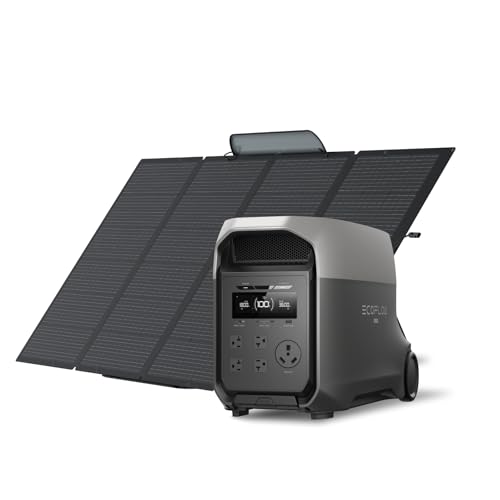

Picture this: a storm knocks out your power at midnight, and your refrigerator, internet router, and CPAP machine all depend on a silent, reliable backup. Or maybe you are planning an off-grid RV trip and need to run a microwave and power tools without a generator’s noise and fumes. The EF EcoFlow Delta 2 Max review you are about to read focuses on the latest Delta 3 Max series, a family of portable power stations engineered to handle these exact scenarios. Whether you are a homeowner preparing for outages or an outdoor enthusiast, this guide will help you choose the right model for your needs.
We have evaluated the Delta 3 Max lineup, including models with extra batteries and solar panel bundles, to give you a clear picture of performance, expandability, and value. For a broader look at EcoFlow’s high-capacity options, check our EF EcoFlow delta 3 ultra plus review for a deeper dive into the Ultra series.


Buying Guide: What to Look For in a Portable Power Station
Battery Chemistry and Lifespan
The heart of any power station is its battery. EcoFlow uses LiFePO4 (LFP) cells in the Delta 3 Max series, a chemistry known for long cycle life and thermal stability. You can expect up to 10 years of daily use, which is a significant upgrade over older NMC batteries.
When comparing models, always check the battery type. LFP is the gold standard for longevity, and the Delta 3 Max delivers it across the board. This makes it a smart investment for both emergency backup and frequent camping trips.
Output Power and Surge Capabilities
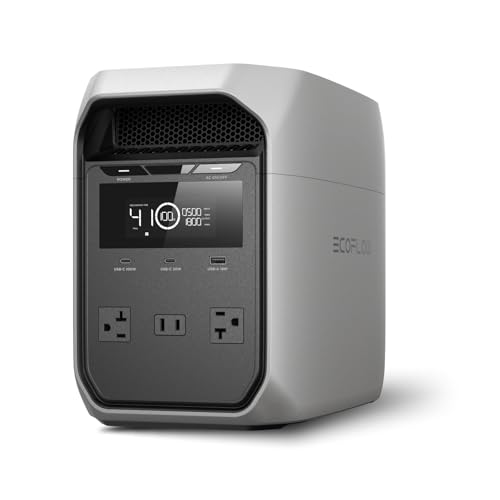
The continuous output determines which appliances you can run. The Delta 3 Max Plus offers 3000W continuous (3800W with X-Boost), while the Delta 3 Classic provides 1800W (3600W surge). For most home essentials like refrigerators, microwaves, and sump pumps, a 2000W+ unit is ideal.
X-Boost technology allows you to power devices that exceed the rated output by intelligently managing voltage. This is a game-changer for running high-draw tools or appliances. If you need to power heavy equipment, prioritize a model with higher X-Boost output.
Charging Speed and Flexibility
Fast recharging is crucial, especially during prolonged outages. The Delta 3 Max Plus can hit 80% in just 43 minutes via AC, while the Delta 3 Max with solar panel bundle reaches 80% in about 1.13 hours. Solar charging is a renewable option that adds independence.
Look for multiple charging inputs: AC, solar, car, and generator. The Delta 3 series supports all of these, and some models even allow PV + car simultaneous charging for maximum speed. For off-grid use, solar compatibility is a must-have.
Expandability and App Integration
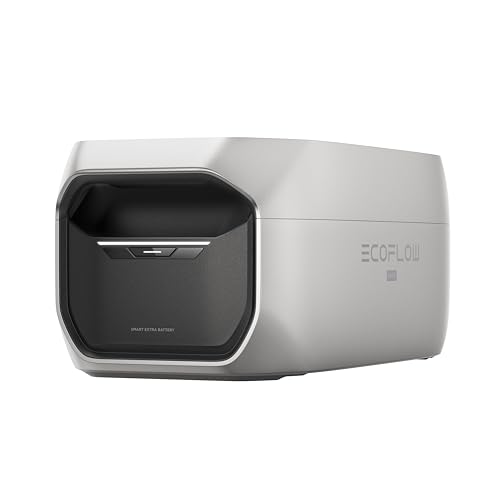
If your power needs grow, expandable capacity is a lifesaver. The Delta 3 Max Plus can be paired with an extra battery to reach up to 10kWh. This is perfect for multi-day trips or whole-home backup for essentials.
Smart app control lets you monitor usage, set charging schedules, and activate backup modes. The EcoFlow app is intuitive and adds convenience, especially for managing solar input and prioritizing which devices get power first. For more on choosing the right capacity, see our best house backup battery options.
Final Thoughts
After reviewing the entire Delta 3 Max series, we are impressed by the combination of fast charging, durable LFP batteries, and expandable capacity. For most homeowners, the EF ECOFLOW Portable Power Station DELTA 3 Max offers the best balance of power and portability, while the EF ECOFLOW DELTA 3 MAX Portable Power Station with solar panel is ideal for those who want to go fully off-grid. Both models deliver reliable, quiet power for years to come.
Frequently Asked Questions
Can the Delta 3 Max power a refrigerator during a blackout?
Yes, the Delta 3 Max series can easily run a refrigerator. With 2400W to 3000W continuous output and X-Boost up to 3800W, it handles the startup surge of most fridges. The 2048Wh capacity can keep a typical fridge running for 12 to 24 hours, depending on usage.
How long does it take to recharge the Delta 3 Max?
Recharge times vary by model. The Delta 3 Max Plus reaches 80% in about 43 minutes via AC, while the Delta 3 Max with solar panel bundle takes about 1.13 hours to hit 80% using both AC and solar. For a full charge, plan for roughly 1.5 to 2 hours on AC.
Is the Delta 3 Max compatible with solar panels?
Absolutely. All Delta 3 Max models support solar charging. You can connect up to 500W of solar panels for the Classic model, and the Max Plus supports even higher input. Solar recharging is a clean, renewable way to keep your power station topped up.
What is the lifespan of the Delta 3 Max battery?
The Delta 3 Max uses LiFePO4 battery cells rated for over 3000 cycles. That translates to roughly 10 years of daily use. This long lifespan makes it a reliable investment for both emergency backup and frequent outdoor adventures.
For more portable power options, explore our best portable power station for Starlink Mini guide or check the BLUETTI AC70 review for a smaller alternative. You can also browse our portable power stations category for more comparisons.