
Picture this: you’re miles from the nearest hookup, the sun is setting, and you’re ready to power your RV’s AC, microwave, and lights without a hitch. Finding the best inverter generator for 30 amp RV setups isn’t just about wattage—it’s about quiet, clean power that won’t damage your sensitive electronics. In this guide, we’ve gathered eight top-rated models from brands like Westinghouse, WEN, and ERAYAK to help you choose the perfect companion for your travels. Whether you’re a weekend warrior or a full-time nomad, we’ve got you covered.






Buying Guide
Power Output and 30 Amp Compatibility
Your 30 amp RV typically needs at least 3,000 running watts to handle the air conditioner and other essentials. Look for a generator that offers a dedicated TT-30R outlet, which is the standard for RV hookups. Models like the best inverter generator for travel trailer often exceed this threshold, ensuring you can run your AC, refrigerator, and lights simultaneously.
Consider both peak and running wattage. Peak watts handle startup surges, while running watts sustain continuous loads. A generator with 4,000 to 5,000 peak watts is a safe bet for most 30 amp RVs.
Fuel Type and Runtime
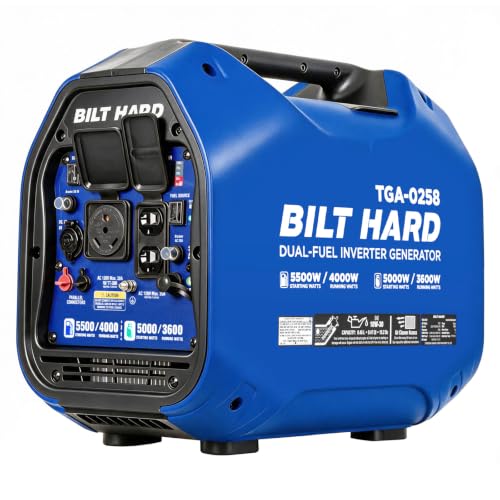
Dual fuel generators offer flexibility—gasoline and propane. Propane is cleaner and stores longer, while gasoline is more widely available. The best dual fuel generators gas and propane allow you to switch sources seamlessly, extending your runtime during extended trips.
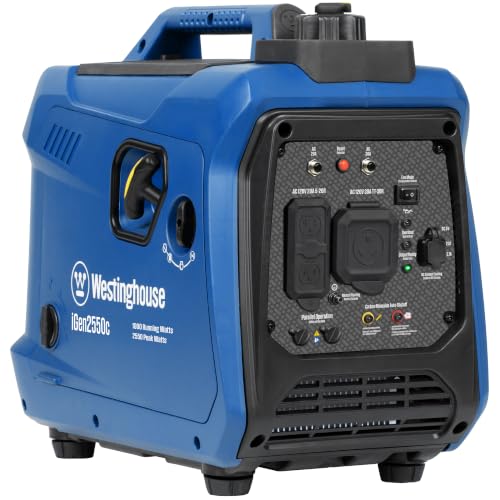
Runtime matters, especially for overnight use. Look for models with at least 10 hours at 25% load. Larger fuel tanks, like the 3.4-gallon tank on some Westinghouse units, can push runtime to 18 hours.
Noise Level and Portability
Inverter generators are prized for quiet operation. Check noise ratings in decibels (dBA). A rating of 52 to 58 dBA is comparable to a normal conversation, making them ideal for campgrounds. Portability features like wheels, telescoping handles, and lightweight designs (under 60 pounds) make setup a breeze.
Safety and Electronics Protection
Clean power with less than 3% total harmonic distortion (THD) ensures your sensitive electronics—like laptops and smartphones—run safely. Carbon monoxide (CO) sensors are a must for safety, automatically shutting down the generator if dangerous levels are detected. Look for models with overload protection and low-oil shutdown to extend engine life.
Final Thoughts
After evaluating these generators, the Oxseryn 4400-Watts Inverter Generator stands out for its balance of power and price, offering 4400 peak watts and a 30A outlet for under $350. If you need dual fuel flexibility, the WEN 6800-Watt Dual Fuel RV-Ready Electric Start delivers robust performance with propane capability and a CO watchdog. Whichever you choose, you’ll be ready for your next adventure.
Frequently Asked Questions
What size inverter generator do I need for a 30 amp RV?You need a generator with at least 3,000 running watts and a TT-30R outlet. Most 30 amp RVs draw around 3,600 watts for the AC and other appliances, so a 4,000-watt peak model is recommended for 2026.
Can I run my RV air conditioner with an inverter generator?Yes, many inverter generators with 30 amp outlets can power RV AC units. Look for models with at least 3,500 surge watts to handle the startup surge, and ensure the generator produces clean power (THD less than 3%) to protect the AC’s electronics.
Are dual fuel generators better for RVs?Dual fuel generators offer flexibility—propane is great for long storage and emergency backup, while gasoline is easier to find on the road. For 2026, many RVers prefer dual fuel for its versatility, as seen in models from WEN and Westinghouse.
How quiet are inverter generators for camping?Most inverter generators operate at 52 to 58 dBA, which is quieter than a normal conversation. This makes them ideal for campgrounds where noise restrictions apply. For more on quiet models, check our WEN super quiet generator review.