
When a storm knocks out the grid for days, the difference between comfort and chaos comes down to the generator in your yard. Choosing among the best whole home generator brands is not just about wattage; it is about fuel type, transfer switch compatibility, and long-term reliability. This guide breaks down the top contenders for 2026 so you can match a system to your home and climate.
We evaluated standby and portable options from Generac, DuroMax, and Westinghouse, focusing on how each brand handles whole-house coverage. If you are still weighing fixed versus portable setups, our guide to the best rated standby generators residential offers a useful baseline before you dive into the picks below.




How to Choose Among the Best Whole Home Generator Brands
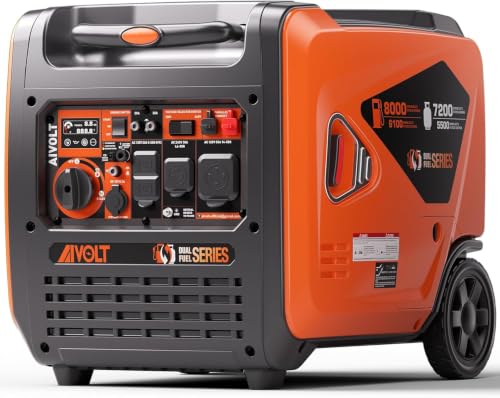
Every brand approaches backup power differently. Generac leans on automatic standby systems with cellular monitoring, while DuroMax and Westinghouse focus on high-output portables that can be wired for home backup. The right choice depends on how much of your home you need to run and how hands-on you want to be.
Power Output and Whole-House Coverage
Match generator capacity to your actual load, not just square footage. A Generac 10kW unit can keep lights, refrigeration, and a few circuits running, while a 28kW model supports central air and electric heat. Portable tri-fuel units from Westinghouse reach similar peaks but require a manual or automatic transfer switch to feed your panel.
If you are unsure how much capacity your household draws, our breakdown of the best portable generators for home backup explains how to estimate startup and running watts before you commit.
Fuel Type and Flexibility
Standby units like the Generac 22kW Whole Home Generator run on natural gas or propane and start automatically, which is ideal for unattended outages. Portable tri-fuel models such as the Westinghouse 14500 Peak Watt Tri-Fuel Home Backup add gasoline to the mix, giving you options when one fuel source is unavailable.
Dual and tri-fuel flexibility is a major differentiator among brands. For a deeper comparison of how the two biggest names stack up, see our DuroMax vs generac generator analysis.
Monitoring, Warranty, and Support
Generac sets itself apart with built-in cellular connectivity and the Mobile Link app, letting you monitor performance and receive maintenance alerts remotely. Most Generac standby models also carry a 5-year limited warranty, while Westinghouse and DuroMax portable units typically offer 3-year residential coverage.
Reliability features matter too: oil level sensors, cold-start performance, and sloped roofs that shed ice and snow all affect how a unit performs in winter. Our look at the best residential standby generator brands digs into these long-term ownership factors.
Installation and Transfer Switch Compatibility
Standby generators ship with or support automatic transfer switches, which detect an outage and switch your home to backup power within seconds. Portable units need a manual interlock kit or an automatic transfer switch like the Westinghouse WATS200, sold separately, to connect safely to your panel.
Liquid-cooled standby models handle larger homes and continuous loads more gracefully than air-cooled portables. If your home has high-demand appliances, our guide to the best liquid cooled whole house generator is worth reviewing before you finalize a brand.
Final Thoughts
For most homeowners who want set-and-forget protection, the Generac 22kW Whole Home Generator delivers automatic whole-house coverage with cellular monitoring and a strong warranty. If budget and portability matter more, the DuroMax XP13000EH 13,000-Watt Dual Fuel offers serious output and fuel flexibility at a fraction of the footprint. Either way, matching capacity to your real load is the key to a brand choice you will not regret.
Frequently Asked Questions
What are the best whole home generator brands for 2026?
Generac remains the most established name in automatic standby power, with models from 10kW to 28kW and built-in cellular monitoring. DuroMax and Westinghouse are strong alternatives for portable and tri-fuel setups that can be wired for whole-house backup. The right brand depends on whether you want automatic operation or portable flexibility.
How many watts do I need to power my whole house?
Most homes need between 10kW and 22kW of running power, with extra capacity for startup surges from central air or well pumps. Homes with electric heat or multiple large appliances often need 26kW to 28kW. Add up the running watts of the circuits you want backed up, then factor in surge requirements.
Is a standby generator better than a portable generator for home backup?
Standby generators start automatically and run on natural gas or propane, so you never have to refuel during a storm. Portable units cost less and can double as jobsite power, but they require manual setup and fuel storage. For unattended, long-duration outages, standby wins; for flexibility, portable tri-fuel models are hard to beat.
Do whole home generators require professional installation?
Yes. Standby generators need a licensed electrician and often a plumber to connect the transfer switch and fuel line. Portable units wired through a transfer switch or interlock kit also require professional installation for safety and code compliance. Always confirm local permits before scheduling the work.