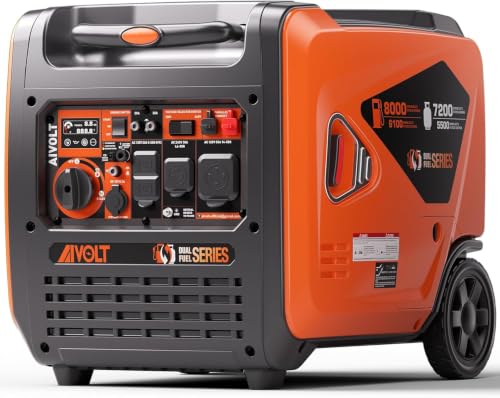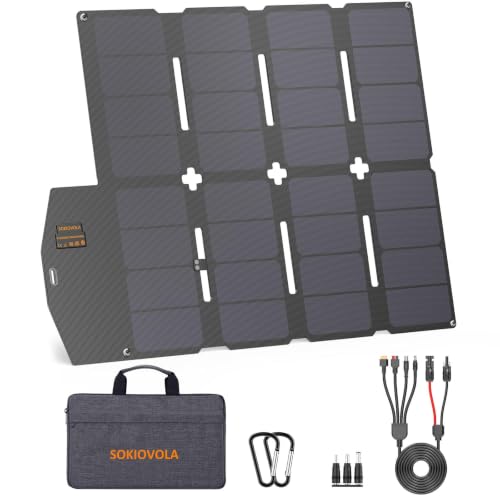

You’re planning a weekend off-grid camping trip, and the forecast is clear. You need to keep your phone, camera, and maybe a mini cooler running, but you don’t want to haul a heavy, fragile glass panel. That’s where a portable solar panel shines. In this guide, we’ve assessed the best portable solar panel for the money, focusing on models that deliver real value without breaking the bank. Whether you’re a weekend hiker, an RV enthusiast, or just want emergency backup power, we’ve got you covered.
We’ve reviewed eight top contenders from brands like MARBERO, ZeroKor, Renogy, and ZOUPW, comparing efficiency, portability, durability, and connectivity. Our goal is to help you find a panel that fits your needs and your budget. For more camping-specific advice, check out our best portable solar panels for camping guide.


Buying Guide
When you’re shopping for the best portable solar panel for the money, you need to look beyond the sticker price. Here are the key criteria we used to evaluate these panels.
Power Output and Efficiency
The wattage rating tells you the maximum power the panel can produce under ideal sunlight. But efficiency matters just as much. Higher efficiency means more power in a smaller footprint, which is crucial for portability. Look for panels with monocrystalline cells and conversion rates above 20%. For example, the ZOUPW 480W bifacial panel boasts a 25% conversion rate, while the FlexSolar 100W offers 23%.
Consider your devices. A 30W panel like the MARBERO is perfect for charging phones and tablets, while a 200W Renogy can handle larger power stations. For a deeper dive into matching panels with batteries, see our best portable solar panel and battery package roundup.
Portability and Build Quality
Weight and folded size are critical if you’re carrying the panel in a backpack. The MARBERO 30W weighs just 2.4 lbs and folds to laptop size, while the ZOUPW 480W is heavier but still lighter than traditional glass panels. Look for durable materials like ETFE or E-film lamination, and check the IP rating for water and dust resistance. IP67 is ideal for outdoor use.
A good carry bag and kickstands are bonuses. The ZOUPW 100W includes adjustable kickstands to angle the panel toward the sun, maximizing output. For caravan owners, portability is key, and our best portable solar panel for caravan guide has more insights.
Connectivity and Compatibility
Check the output ports. Most panels offer USB-A, USB-C, and DC outputs. The more versatile, the better. The ZOUPW 100W features a 5-in-1 connector cable that fits 99% of power stations, including Jackery, EcoFlow, and Anker. The FlexSolar 100W includes a 4-in-1 cable with DC5521, DC7909, Anderson, and XT60 connectors.
If you plan to charge a power station, ensure the panel’s voltage is compatible. Some panels, like the ZOUPW 480W, use a high-voltage architecture (42.5V) that integrates with large power stations. For emergency use, a panel with built-in USB ports lets you charge devices directly without a generator.
Durability and Weather Resistance
Outdoor conditions can be harsh. Look for panels with IP67 waterproofing and dustproof construction. The FlexSolar 100W and ZOUPW 100W both meet IP67 standards. The ZOUPW 480W is IP68, even more robust. Also, consider the frame material: composite materials are lighter and resist corrosion better than aluminum.
Remember that the junction box is often not waterproof, so keep it dry. A sturdy carry bag adds protection during transport. For a broader look at emergency power options, visit our best portable solar panel for camping and emergency power article.
Final Thoughts
After evaluating these panels, the ZOUPW 480W Bifacial Portable Solar Panel N-Type stands out for those who need massive power and don’t mind the higher weight, offering exceptional efficiency and bifacial gain. For most campers and RVers, the ZOUPW 100W Portable Solar Panel for Power delivers the perfect balance of portability, connectivity, and price, making it an excellent value for the money. Choose based on your power needs and how you plan to use it.
Frequently Asked Questions
What size portable solar panel do I need?
The size depends on what you want to power. For charging phones and small devices, a 30W to 60W panel is sufficient. For running a mini fridge or charging a power station, a 100W or higher is recommended. Consider your typical usage and the capacity of your power station.
Can I use a portable solar panel in cloudy weather?
Yes, but output will be reduced. Most panels still generate 30-50% of their rated power on cloudy days. The MARBERO 30W, for example, produces 15-20W on overcast days. For best results, angle the panel toward the sun and avoid shading.
How do I connect a portable solar panel to my power station?
Most panels come with adapter cables like XT60, Anderson, or DC7909. Check your power station’s input port and use the appropriate cable. Some panels, like the ZOUPW 100W, include a 5-in-1 cable for universal compatibility. Always verify the voltage and current limits.
Are portable solar panels waterproof?
Many are, but not all. Look for an IP67 rating, which means the panel is protected against immersion in water up to 1 meter for 30 minutes. The FlexSolar 100W and ZOUPW 100W both have IP67. However, the junction box is often not waterproof, so keep it dry.