

You are planning a weekend camping trip or bracing for a power outage, and you need reliable backup power without breaking the bank. The search for the best portable generator under $1000 can feel overwhelming with so many options on the market. This guide is designed for homeowners, RV enthusiasts, and outdoor adventurers who want a dependable generator that combines performance, safety, and value. We have evaluated six top contenders from leading brands like WEN, Anker, Jackery, Generac, DuroStar, and Westinghouse to help you make an informed decision. For more insights on starting your generator easily, check out our guide on the best portable generator with electric start.



Buying Guide
Power Output and Surge Capacity
When selecting a portable generator, the first factor to consider is how much power you actually need. Running watts indicate the continuous power the generator can supply, while starting watts (or surge watts) cover the extra demand from appliances like refrigerators or air conditioners when they kick on. For home backup, a generator with at least 3000 starting watts is often sufficient for essentials, but larger models like the DuroStar DS13000MX or Westinghouse 12500 Watt offer whole-home capability. If you prioritize clean power for sensitive electronics, look for inverter generators with low total harmonic distortion (THD). Our article on the best portable generator with low THD provides more details on this feature.
Fuel Type and Runtime
Dual fuel generators offer flexibility by running on either gasoline or propane. Gasoline typically provides higher peak power, while propane burns cleaner and extends engine life. Models like the WEN 6800-Watt Dual Fuel and the DuroStar DS13000MX include a fuel shutoff feature that helps preserve the carburetor by using up remaining fuel before shutdown. Runtime is another critical consideration; a larger fuel tank means fewer refills during extended outages. For camping or quiet neighborhoods, consider the noise level and runtime. The quietest dual fuel generator for camping can make a big difference in comfort.
Portability and Build Quality
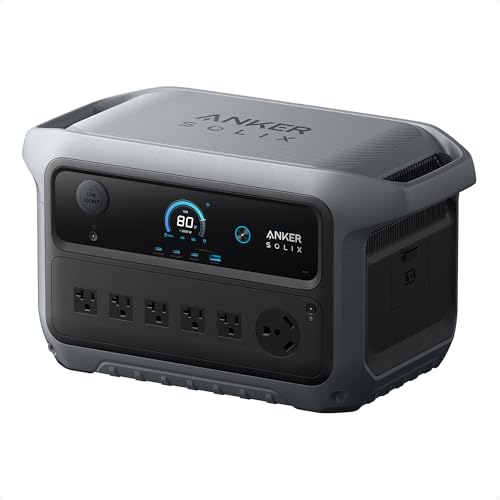
If you plan to move your generator between locations, weight and design matter. Traditional gas generators can weigh over 100 pounds, but many now include wheels and a telescoping handle for easier transport. Portable power stations like the Anker SOLIX C2000 Gen 2 and Jackery Explorer 2000 v2 are significantly lighter (around 40 pounds) and more compact, making them ideal for camping or tailgating. Build quality also affects longevity; look for durable steel frames and weather-resistant components. For those interested in dual fuel options, our dual fuel generators category page offers a broader selection.
Safety Features and Certifications
Modern generators come with essential safety features like carbon monoxide (CO) shutdown sensors, which automatically turn off the unit if dangerous CO levels are detected. This is especially important for indoor or garage use. Other valuable features include automatic low oil shutdown, overload protection, and spark arrestors for use in dry areas. For whole-home backup, a transfer switch ready generator with a 50-amp outlet simplifies connection to your home’s electrical panel. If you are considering a larger standby system, our guide on the best 25 kW standby generator provides additional information.
Final Thoughts
After reviewing these six generators, the choice ultimately depends on your specific needs. For those who require massive power for home backup and have a budget that stretches to the top of this range, the Westinghouse 12500 Watt Dual Fuel Home Backup delivers outstanding surge capacity and dual fuel flexibility. If portability and silent operation are your priorities, the Anker SOLIX C2000 Gen 2 Portable Power Station offers a lightweight, expandable solution perfect for camping or sensitive electronics. Whichever you choose, you are investing in peace of mind and reliable power.
Frequently Asked Questions
What size generator do I need for home backup?
For essential appliances like a refrigerator, lights, and a few electronics, a generator with 3000 to 5000 starting watts is usually sufficient. Larger homes or those wanting to run a well pump or air conditioner may need 10,000 watts or more. Always calculate the total running and starting wattage of the devices you plan to power.
Is dual fuel worth the extra cost?
Yes, dual fuel generators offer valuable flexibility. Propane is cleaner burning, has a longer shelf life, and is often quieter, while gasoline provides higher peak power. This versatility can be a lifesaver during extended outages when one fuel type may be scarce.
Can I use a portable generator indoors?
Never use a gas or propane generator indoors, in garages, or near windows or doors. Carbon monoxide is odorless and deadly. Always operate the generator outdoors in a well-ventilated area, at least 20 feet from your home. For indoor use, consider a portable power station like the Jackery or Anker models, which produce no fumes.
How do I maintain a portable generator?
Regular maintenance includes checking the oil level before each use, changing the oil after the first 20 hours and every 100 hours thereafter, and running the generator monthly to keep the engine lubricated. Use a fuel stabilizer if storing for more than 30 days, and always shut off the fuel valve to prevent carburetor issues.


