

Imagine stepping into your shed and flipping on a light, charging your tools, or running a small fan without worrying about extension cords or generator noise. That is the promise of a well-chosen solar panel kit for your shed. Whether you need to keep batteries topped off, power a few LED lights, or run small electronics, the right kit makes it simple and affordable. This guide covers the best solar panel kits for sheds in 2026, from compact trickle chargers to complete off-grid systems. We evaluate each option based on power output, durability, ease of installation, and overall value. If you are also exploring options for your RV, check out our best solar panel kit for RV guide for similar insights.


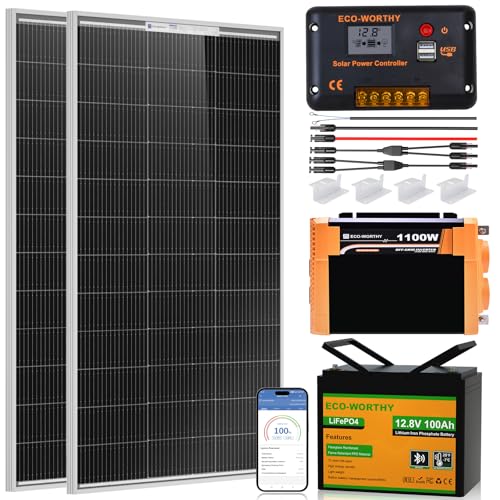

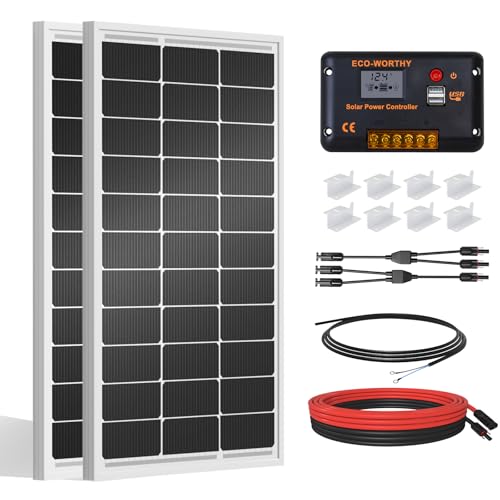

Buying Guide
Power Output and Daily Energy Needs
Start by calculating how much energy you need. A small shed with a few lights and a phone charger might only need a 50W to 100W panel. A workshop with power tools, a radio, or a small refrigerator requires 200W to 400W. Look at the daily watt-hour output; for example, a 200W kit can generate around 800Wh per day under good sunlight. This is enough to run a small TV for several hours or charge multiple batteries. For larger setups, consider the best solar panel kit for home backup for more robust options.
Panel Type and Efficiency
Monocrystalline panels are the standard for shed kits. They offer higher efficiency (21% to 23%) and perform better in low light than polycrystalline. Look for panels with high-conversion cells, such as 12BB (12 busbar) designs, which capture more sunlight. Efficiency matters if your shed roof has limited space. A high-efficiency panel like the ones from Renogy or ECO-WORTHY can produce more power from a smaller footprint.
Charge Controller Type
The charge controller manages the flow of electricity from the panel to the battery. PWM (Pulse Width Modulation) controllers are simpler and cheaper, suitable for small systems under 200W. MPPT (Maximum Power Point Tracking) controllers are more efficient, boosting charging by up to 30% in cool or cloudy conditions. For a shed kit, an MPPT controller is a wise investment if you plan to expand or live in a region with variable weather.
Durability and Weather Resistance
Your shed panel will face the elements year-round. Look for a corrosion-resistant aluminum frame, tempered glass, and an IP65-rated junction box. These features protect against rain, snow, hail, and wind. Many panels can withstand wind loads up to 2400Pa and snow loads up to 5400Pa. For portable use, see our best portable solar panel for caravan guide for rugged options.
Final Thoughts
Choosing the best solar panel kit for your shed comes down to your specific power needs and installation preferences. For a small, affordable setup to maintain a battery or run a few lights, the SOLPERK Solar Panel Kit, Waterproof Solar Battery is an excellent value with its smart MPPT controller and adjustable bracket. If you need more power for tools or appliances, the Renogy 400Watt Premium Solar Kit with 40A MPPT delivers robust performance and expandability for years of reliable off-grid energy. Both kits are built to last and simplify your shed’s power independence.
Frequently Asked Questions
What size solar panel kit do I need for a shed?
The size depends on your energy use. For basic lighting and charging small devices, a 100W kit is usually enough. For power tools or a small refrigerator, consider a 200W to 400W kit. Calculate your daily watt-hours and match it to the kit’s output. In 2026, many kits include detailed energy estimates to simplify this.
Can I install a solar panel kit on a metal shed roof?
Yes, most kits come with Z-brackets or adjustable mounts that work on metal roofs. Ensure the brackets are secured with appropriate screws and sealants to prevent leaks. Some kits include corrosion-resistant brackets for long-term outdoor use. Always check the roof’s load capacity, especially for larger panels.
Do I need a battery with my shed solar kit?
Most kits are designed to charge a 12V battery, which stores energy for use at night or on cloudy days. If you only need power during sunny hours, you can skip the battery and use the panel directly with compatible devices. However, a battery adds flexibility and ensures you have power when you need it. For complete systems, see our best portable solar panels for camping guide for battery integration tips.
How long do solar panel kits last?
High-quality monocrystalline panels can last 25 years or more with minimal degradation. Charge controllers and batteries have shorter lifespans; controllers typically last 5 to 10 years, while lithium batteries can handle over 3000 charge cycles. Regular cleaning and proper installation maximize longevity. Many manufacturers offer warranties of 10 to 25 years on panels.

