

You’ve just parked your small RV at a scenic campsite, only to realize the battery is running low and there’s no hookup in sight. A solar panel kit can turn that frustration into freedom, letting you power lights, charge devices, and keep your fridge running without noise or fumes. In this guide, we’ll walk you through the best solar panel kit for small RV setups, covering compact 100W panels up to full 400W systems. Whether you’re a weekend camper or a full-time van lifer, you’ll find the right fit for your energy needs and roof space.
We’ve evaluated dozens of kits based on efficiency, durability, ease of installation, and value. Our picks come from trusted brands like Renogy and ECO-WORTHY, known for reliable performance in off-grid conditions. If you’re also considering a setup for a shed or home backup, check our best solar panel kit for shed article for more ideas.




Buying Guide: What to Look For in a Small RV Solar Kit
Wattage and Daily Output
Your energy consumption determines the wattage you need. A 100W kit can generate around 500Wh per day, enough for basic lighting and device charging. If you run a small fridge or a laptop, consider a 200W kit, which doubles that output.
For most small RVs, 200W strikes the perfect balance between space and power. The best solar panel kit for RV often falls in this range, offering flexibility without overwhelming your roof.
Charge Controller Type: PWM vs. MPPT
The charge controller regulates voltage from the panels to your battery. MPPT controllers are more efficient, especially in low-light conditions, extracting up to 30% more power than PWM. For small RVs, a PWM controller is often sufficient, but if you plan to expand your system, an MPPT is a smarter investment.
Kits like the Renogy 400W Premium include a 40A MPPT controller, making them ideal for larger setups. If you’re just starting out, a 20W trickle charger with a smart MPPT controller can keep your battery topped off between trips.
Durability and Weather Resistance
Your panels will face rain, hail, and extreme temperatures. Look for aluminum frames, tempered glass, and IP65-rated junction boxes. Panels that withstand high wind (2400Pa) and snow loads (5400Pa) are built to last.
All our top picks feature corrosion-resistant frames and waterproof designs, so you can trust them in any climate. For a portable option, check out best portable solar panel for caravan if you prefer flexibility over fixed mounting.
Ease of Installation and Included Accessories
No one wants a complicated setup. Look for kits that come with pre-drilled holes, plug-and-play cables, and mounting brackets. Some kits even include a battery and inverter, making the system truly plug-and-play.
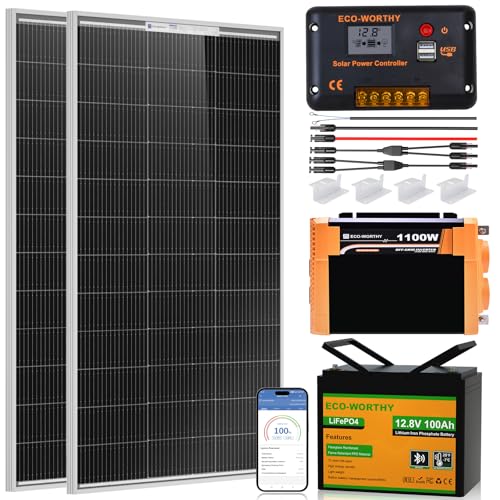
For example, the ECO-WORTHY 200W Complete Solar Starter Kit includes everything: panels, battery, inverter, and controller, so you can install it in four steps. If you’re new to solar, this is a hassle-free way to go off-grid.
Final Thoughts
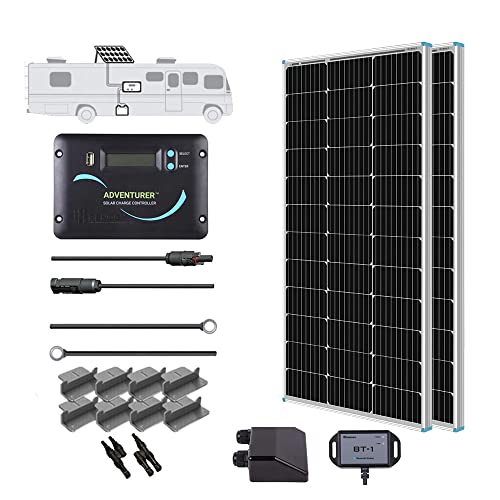
Choosing the best solar panel kit for small RV comes down to your power needs and budget. For a reliable, expandable system, we recommend the Renogy 200W 12V N-Type RV Solar Panel Kit with its efficient N-type cells and robust PWM controller. If you want a complete off-grid solution without extra purchases, the ECO-WORTHY 200 Watt 12V Complete Solar Panel kit includes a lithium battery and inverter, giving you everything you need in one box. Both options deliver solid performance and durability, ensuring your small RV stays powered wherever you roam.
Frequently Asked Questions
How many solar panels do I need for a small RV?
For a small RV, one 100W panel is enough for basic needs like LED lights and phone charging. If you run a fridge or a laptop, two 100W panels (200W total) are recommended. This setup typically produces 800Wh per day, covering most small RV usage.
Can I install a solar panel kit on my RV myself?
Yes, most kits are designed for DIY installation. They come with pre-drilled holes, mounting brackets, and plug-and-play cables. You just need basic tools like a drill and a wrench. The ECO-WORTHY 200W Complete Kit even includes a battery and inverter, so you don’t have to buy extra components.
What is the difference between PWM and MPPT charge controllers?
PWM controllers are simpler and cheaper, but less efficient in cloudy conditions. MPPT controllers track the maximum power point of the panel, delivering up to 30% more energy, especially in low light. For small RVs, a PWM controller is often sufficient, but MPPT is better for larger systems or if you want maximum efficiency.
Do solar panel kits work in winter or cloudy weather?
Yes, solar panels still generate power in cloudy conditions, though at reduced efficiency. High-quality monocrystalline panels perform better in low light. In winter, you may need to adjust your expectations and rely on battery storage. For more tips, see our best solar panel kit for home backup guide, which covers similar scenarios.

