

Imagine a winter storm knocks out your power for days. Your furnace stops, the refrigerator goes silent, and you are left in the cold and dark. A whole house generator powered by natural gas changes that scenario. It connects directly to your existing gas line, so you never have to worry about refueling during an outage. This guide reviews the best whole house generator natural gas options for 2026, focusing on standby models from Generac, Westinghouse, and DuroMax. Whether you need a compact 10kW unit for a small home or a robust 26kW system for a large property, we have you covered. For more context on sizing, check out our generac 18kW generator review.






Buying Guide
Power Output and Sizing
The first step is determining how much wattage you need. A 10kW generator can handle essentials like lights, a refrigerator, and a furnace blower. For larger homes with central air conditioning, well pumps, or multiple appliances, a 22kW or 26kW unit is more appropriate. Generac offers a wide range from 10kW to 26kW, while Westinghouse and DuroMax provide portable tri-fuel options with peak wattages up to 18,000. Overestimating your needs is safer than underestimating, as running a generator at full load for extended periods can shorten its lifespan.
For more advice on matching generator size to your home, read our guide on the best whole house generator for large home. It covers load calculations and common pitfalls.
Fuel Type and Installation
Natural gas generators connect to your home’s gas line, offering unlimited runtime during an outage as long as gas supply is maintained. This eliminates the need to store and handle gasoline or propane. Most standby models, like those from Generac, are designed for permanent installation with an automatic transfer switch. Portable tri-fuel models from Westinghouse and DuroMax can also run on natural gas, but they require a dedicated gas hookup and manual or automatic switching. Installation should always be performed by a licensed electrician to ensure safety and code compliance.
If you are considering alternative fuel sources, our article on dual fuel generators pros and cons provides useful comparisons between gasoline, propane, and natural gas setups.
Monitoring and Control Features
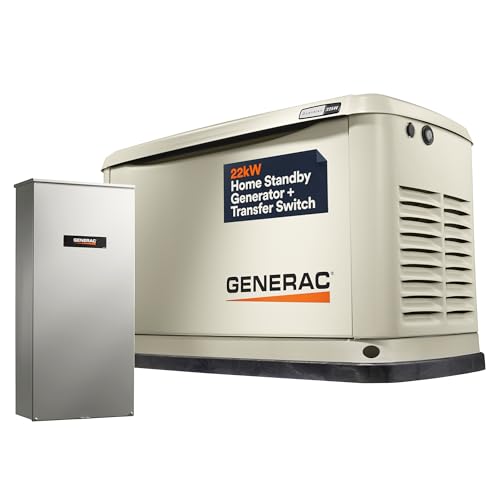
Modern generators offer remote monitoring via Wi-Fi or cellular connectivity. Generac’s Mobile Link app lets you check generator status, receive maintenance alerts, and even start or stop the unit from your smartphone. This is especially valuable during winter months when you cannot physically inspect the generator. Models with built-in cellular capability, like the Generac 22kW Whole Home Generator, provide real-time updates even if you are away from home. For more on maintenance, see our generac 24kW maintenance kit review.
Reliability and Warranty
Standby generators are a long-term investment. Look for models with oil level sensors, cold-weather starting aids, and corrosion-resistant enclosures. Generac backs its standby generators with a 5-year limited warranty and 24/7 customer support. Westinghouse offers a 3-year residential warranty and lifetime technical support. DuroMax provides a 3-year warranty on its XP13000HXT model. Investing in a reputable brand with solid support ensures your generator remains ready when you need it most.
For more on standby generator reliability, explore our best standby diesel generator for home use guide and our best standby petrol generator for home use article.
Final Thoughts
Choosing the best whole house generator natural gas model comes down to your home’s power requirements and your preference for permanent installation versus portability. For uninterrupted automatic backup with smart monitoring, the Generac 22kW Whole Home Generator is an outstanding choice. If you need a more budget-friendly, portable option that still runs on natural gas, the Westinghouse 14500 Peak Watt Tri-Fuel Home Backup offers excellent flexibility and reliability. Both deliver clean, stable power to keep your home running safely during any outage.
Frequently Asked Questions
How long can a natural gas generator run continuously?
A natural gas generator can run indefinitely as long as the gas supply remains active. Most standby models are designed for continuous operation during extended outages, but you should follow the manufacturer’s maintenance schedule for oil changes and inspections. In 2026, many Generac models include oil level sensors to help ensure reliable long-term performance.
Do I need a transfer switch for a natural gas generator?
Yes, a transfer switch is required for automatic operation. It detects a power outage, starts the generator, and switches your home’s electrical load to generator power. Most Generac standby generators come with a transfer switch included. Portable models like the Westinghouse tri-fuel units can be paired with a separate automatic transfer switch for similar convenience.
Can I install a natural gas generator myself?
Installation of a natural gas generator involves gas line connections, electrical wiring, and compliance with local building codes. It is strongly recommended to hire a licensed electrician or a Generac-certified installer. Improper installation can lead to gas leaks, electrical hazards, or voided warranties. For more on installation considerations, see our guide on best whole house generator for large home.
What size natural gas generator do I need for a 2,000-square-foot home?
A 14kW to 18kW generator is typically sufficient for a 2,000-square-foot home, covering essentials like HVAC, refrigerator, lights, and a well pump. If you have electric water heating or central air conditioning, consider a 22kW unit. Always calculate your starting wattage requirements, as some appliances draw significantly more power during startup.
