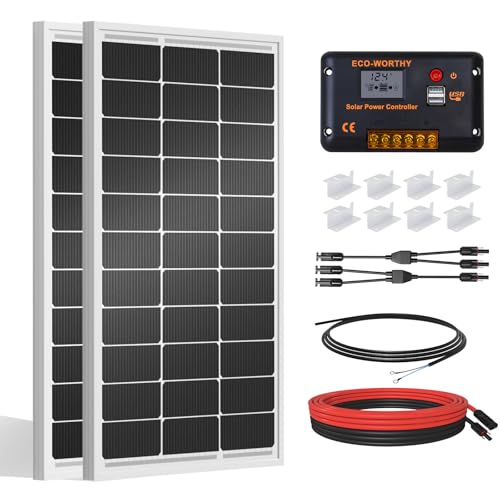
Imagine a storm knocks out your power in the middle of a cold night. Your family is safe, but the fridge stops, the heat goes off, and you lose internet. That is where a whole house generator becomes a lifesaver. This guide covers the best whole house generators for 2026, from automatic standby units to versatile portable models. Whether you need to power your entire home or just essential circuits, we have you covered.
We evaluated top brands like Generac, Westinghouse, and DuroMax, focusing on reliability, fuel flexibility, and ease of use. For more on backup power options, check out our generators category.




Buying Guide: What to Look for in a Whole House Generator
Power Output and Capacity
Your generator must match your home’s electrical load. Calculate the wattage of essential appliances like your refrigerator, HVAC system, and lights. A 10kW unit can handle basics, while a 26kW model powers an entire large home. Always choose a generator with a bit more capacity than you need to avoid overloading.
Fuel Type and Flexibility
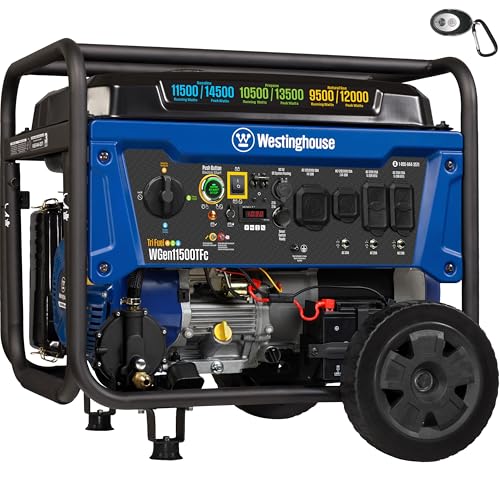
Most whole house generators run on natural gas or propane. Portable models often offer dual-fuel or tri-fuel options (gasoline, propane, natural gas). Fuel flexibility is key during extended outages when one fuel source may become scarce. For example, the Westinghouse 14500 Peak Watt Tri-Fuel model lets you switch between three fuels.
Transfer Switch and Installation
A transfer switch safely connects your generator to your home’s electrical panel. Automatic standby generators include a transfer switch that detects outages and starts the generator within seconds. Portable generators need a manual transfer switch or interlock kit. Professional installation is recommended for permanent units. Learn more about standby generators.
Remote Monitoring and Control
Modern generators offer cellular or WiFi connectivity, allowing you to monitor power status and receive alerts via a smartphone app. This feature is especially useful if you travel frequently or want peace of mind. Generac’s Mobile Link app provides real-time updates and maintenance reminders.
Final Thoughts
For most homeowners, the Generac 22kW Whole Home Generator offers an excellent balance of power, reliability, and smart features, making it ideal for whole-house backup. If you prefer a portable option with fuel flexibility, the Westinghouse 14500 Peak Watt Tri-Fuel Home Backup generator provides robust power and the convenience of three fuel sources, perfect for emergency preparedness and job sites.
Frequently Asked Questions
How much does it cost to install a whole house generator?
Installation costs vary based on your home’s electrical setup, fuel line requirements, and local permits. For 2026, expect to pay between $2,000 and $5,000 for professional installation, not including the generator itself. Always get multiple quotes from licensed electricians.
Can a whole house generator run on natural gas?
Yes, many standby generators are designed to run on natural gas or propane. Natural gas is convenient because it connects directly to your home’s gas line, providing an unlimited fuel supply during outages. Some portable generators also offer natural gas compatibility.
What size generator do I need for my home?
The size depends on your home’s square footage and the appliances you want to power. A 10kW to 14kW generator can handle essential circuits like lights, fridge, and furnace. For whole-house coverage including central air conditioning, a 22kW to 26kW unit is recommended. For more details, visit our solar generators guide.
How long do whole house generators last?
With proper maintenance, a whole house generator can last 20 to 30 years. Key factors include regular oil changes, battery checks, and annual professional servicing. Many top brands offer 5-year limited warranties for added peace of mind.