

Imagine a storm knocks out your power for days. Your fridge thaws, the sump pump stops, and you’re left in the dark. A tri-fuel portable generator can be your lifeline, offering flexibility to run on gasoline, propane, or natural gas. In this guide, we’ll dive into the Generac 12,500 Starting Watt Tri-Fuel and the Westinghouse 12000 Peak Watt Tri-Fuel inverter, helping you choose the right one for your home backup needs. If you’re exploring larger options, check out our best large inverter generator picks for more insights.


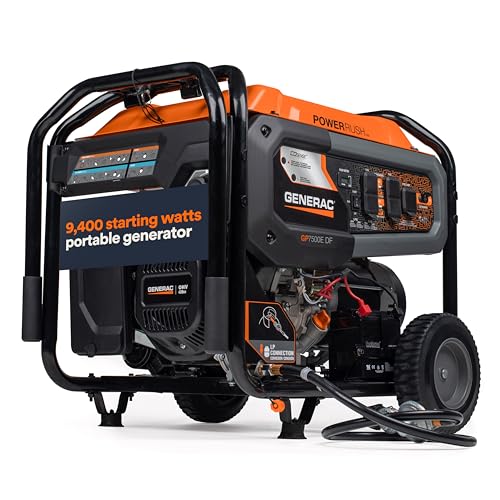
Buying Guide: What to Look For in a Tri-Fuel Generator
Choosing the right tri-fuel generator goes beyond just peak wattage. You need to consider fuel flexibility, power quality, runtime, and portability. Here are the key criteria we used to evaluate these two models.
Fuel Flexibility and Availability
Both generators run on gasoline, propane, and natural gas, but the way they handle fuel switching matters. The Generac uses a simple dial turn, while the Westinghouse also offers easy switching. Natural gas is a huge advantage for extended outages since it taps into your home’s existing line, providing virtually unlimited runtime. For apartment dwellers, a smaller dual-fuel unit might be more practical, as seen in our best portable generator for apartments guide.
Consider your fuel storage: propane tanks require space and refills, while gasoline has a shelf life. If you have natural gas available, it’s a game-changer. Both models include the necessary hoses and regulators, but always verify compatibility with your local setup.
Power Output and Surge Capacity
Starting watts are critical for motors like air conditioners and sump pumps. The Generac delivers 12,500 starting watts on gas, which is 32% more than its running output, ensuring it can handle simultaneous starts. The Westinghouse offers 12,000 peak watts on gas, with lower figures on propane and natural gas. For sensitive electronics, the Westinghouse’s inverter technology provides clean power with less than 3% THD, making it safer for laptops and TVs. If you need to power multiple high-surge appliances, the Generac’s robust surge capacity is a strong contender.
Noise Level and Efficiency
Inverter generators are known for being quieter and more fuel-efficient than conventional models. The Westinghouse operates as low as 64 dBA with its Eco Mode, matching engine speed to demand, which can save up to 50% on fuel. The Generac, being a conventional generator, is likely louder and less efficient, but its larger 7.5-gallon tank offers up to 9.5 hours at 50% load. If noise is a concern for your neighborhood, the Westinghouse is the better pick. For more on quiet operation, check our Westinghouse 2550 super quiet review.
Portability and Transfer Switch Readiness
Both units are heavy (around 219 lbs for the Generac), but they come with wheels and folding handles. The Generac features 9.5-inch never-flat wheels, while the Westinghouse likely has similar. For home backup, having a 50A outlet is essential for connecting to a transfer switch or interlock kit. Both models include a 14-50R outlet, but the Westinghouse is explicitly transfer switch ready. If you plan to power your whole house, this is a must. For more on dual-fuel options, see our best dual fuel all electric generator list.
Final Thoughts
Both the Generac 12,500 Starting Watt Tri-Fuel and the Westinghouse 12000 Peak Watt Tri-Fuel are excellent choices, but they serve different needs. The Generac offers higher starting watts and a proven brand, making it ideal for heavy-duty home backup where surge capacity is key. The Westinghouse shines with its inverter technology, quiet operation, and fuel efficiency, perfect for powering sensitive electronics and longer runtimes. Choose the Generac if you need maximum surge power, or the Westinghouse if you prioritize clean, quiet, and efficient power.
Frequently Asked Questions
Can a tri-fuel generator run on natural gas indefinitely?
Yes, if connected to a natural gas line, it can run as long as the gas supply is uninterrupted. This makes it ideal for prolonged outages. Both the Generac and Westinghouse support natural gas, but you’ll need a dedicated line and regulator, which are included with the units.
Is a tri-fuel generator safe for sensitive electronics?
The Westinghouse inverter generator provides clean power with less than 3% THD, making it safe for laptops, TVs, and other electronics. The Generac, being a conventional generator, may have higher THD, so it’s best to use it for appliances that aren’t sensitive. Always use a surge protector for critical devices.
How often do I need to change the oil?
The Generac recommends the first oil change at 20 hours, then every 100 hours. The Westinghouse also has similar intervals. Regular maintenance ensures longevity and reliable performance. Check the owner’s manual for specific guidance.
Can I parallel two tri-fuel generators for more power?
The Westinghouse is parallel capable, allowing you to connect two units for double the output. The Generac is not parallel capable, so if you anticipate needing more power later, the Westinghouse offers that flexibility. For more on inverter generators, see our best inverter generator made guide.


