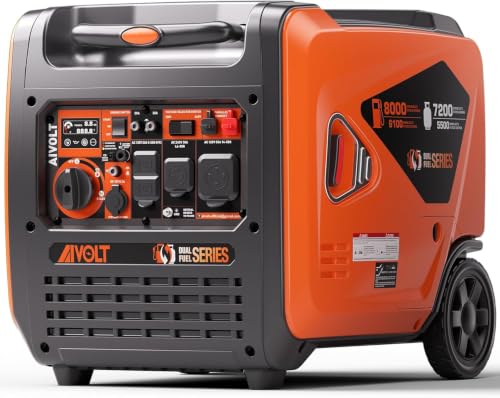

Imagine settling into bed after a long day, only to realize a storm has knocked out the power. For CPAP users, a blackout isn’t just an inconvenience, it can disrupt therapy and compromise health. Whether you’re camping off-grid, preparing for emergencies, or simply want peace of mind at home, a portable power station ensures your CPAP machine runs quietly through the night. This guide reviews seven top-rated models that combine ample capacity, quiet operation, and reliable output to keep your therapy uninterrupted. For those exploring mobile living, check out our guide on the best portable power station for van life for similar insights.


Buying Guide
Capacity and Runtime
Your CPAP machine’s power draw determines how long a station can run it. Most CPAP devices consume 30 to 60 watts per hour, so a 1000Wh station can easily power one for a full night (8 hours) with plenty of headroom. Look for stations with at least 1000Wh for overnight use, or larger capacities for multi-night backup. The best time to buy a power station often aligns with seasonal sales, making larger units more affordable.
Output Ports and Compatibility
CPAP machines typically use a standard AC outlet, so ensure the station has at least one pure sine wave AC port. Many modern stations also include USB-C and USB-A ports for charging phones or accessories simultaneously. Check that the station’s continuous output (usually 1800W or more) exceeds your CPAP’s peak draw, which is rarely an issue with today’s models.
Noise Level
CPAP users already contend with machine noise, so a loud power station can be disruptive. Look for units with a silent or low-noise cooling fan, ideally rated under 30 dB. Models like the BLUETTI Elite 10 Mini are praised for their quiet operation, making them ideal for bedside use.
Recharge Options and Portability
Consider how you’ll recharge the station between uses. Solar compatibility is valuable for camping or extended outages, while fast AC charging (under 2 hours) is convenient for home use. Weight and size matter if you travel, compact units under 30 pounds are easier to move. For apartment dwellers, our guide on the best solar generator for condo living highlights space-saving options.
Final Thoughts
Choosing the right portable power station for your CPAP machine comes down to balancing capacity, quiet operation, and portability. For most users, the EF ECOFLOW Delta 3 Portable Power Station offers an excellent blend of fast recharging and ample 1024Wh capacity for overnight use, while the EF ECOFLOW DELTA Pro 3 Portable Power Station provides massive 4096Wh capacity for extended backup or off-grid living. Both run silently and deliver reliable power, ensuring your therapy never skips a beat.
Frequently Asked Questions
How long can a portable power station run a CPAP machine?
Runtime depends on the station’s capacity and your CPAP’s wattage. A 1000Wh station can typically power a 50W CPAP for about 20 hours, while a 3000Wh unit can last several nights. Always check your machine’s specifications and add a safety margin. For deeper analysis, see our comparison of anker SOLIX F3800 plus vs EcoFlow delta pro 3 for large-capacity options.
Can I use a portable power station indoors for my CPAP?
Yes, most modern portable power stations use LiFePO4 batteries and are safe for indoor use. They produce no fumes and operate quietly, making them ideal for bedrooms. Ensure the unit has a pure sine wave inverter for sensitive electronics like CPAP machines.
What size power station do I need for a CPAP machine while camping?
For a weekend camping trip, a station with 500 to 1000Wh is usually sufficient. If you also want to power lights or charge devices, consider 1000Wh or more. Solar rechargeability adds convenience for extended stays.
Are solar panels worth it for CPAP power stations?
Solar panels are excellent for off-grid or emergency use, allowing you to recharge without grid power. Pairing a 100W–200W panel with a compatible station can fully recharge a 1000Wh unit in a day. They add flexibility but are optional for home backup.