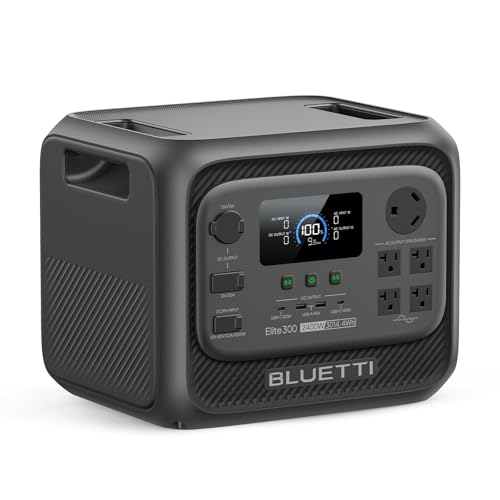
Imagine you are packing for a weekend camping trip, or perhaps a storm is rolling in and you want to keep your essentials running. You need a reliable power source, but the sheer number of options can be dizzying. This guide is designed to help you cut through the noise and choose the portable power station that fits your life. Whether you are a seasoned RVer, a weekend hiker, or someone preparing for home emergencies, we have evaluated the key features that matter most. For more context on sizing, check out our guide on what size portable power station you need.


Buying Guide
1. Capacity and Power Output
The first thing to consider is how much power you need. Capacity is measured in watt-hours (Wh) and tells you how much energy the station can store. Power output, measured in watts (W), indicates what devices you can run simultaneously. For light use, like charging phones and a laptop, a smaller capacity around 88Wh to 300Wh may suffice. For running a mini-fridge or CPAP machine overnight, look for 237Wh or more.
Think about your typical devices. A 100W station can power a small fan or a camera charger, while a 300W unit can handle a portable cooler or a TV. Always match the station’s continuous output to your highest-draw device. For a deeper dive, read our comparison of inverter generators vs portable power stations.
2. Portability and Weight
If you plan to carry your power station on hikes or backpacking trips, weight and size are critical. Some models weigh as little as 2.27 pounds, making them easy to toss in a backpack. Others, with higher capacity, may weigh 7.5 pounds or more. Look for integrated handles or compact shapes that fit your travel style.
For air travel, ensure the capacity is under 100Wh to comply with FAA regulations. Many lightweight stations are designed specifically for this, so you can keep your gear charged anywhere.
3. Output Ports and Charging Options
Check the variety of ports. A good portable power station should offer AC outlets, USB-A, USB-C with Power Delivery, and DC outputs. This versatility lets you charge everything from a smartphone to a laptop to a CPAP machine. Some models also include a built-in LED flashlight or lantern for emergencies.
Consider how you will recharge the station. Many units support wall charging, car charging, and solar panels. Fast USB-C PD input can top up the station in just a few hours, which is a huge convenience. If you plan to use solar, check the station’s solar input rating and compatibility.
4. Battery Chemistry and Lifespan
The battery type affects longevity and safety. Lithium-ion (Li-ion) batteries are common and affordable, but lithium iron phosphate (LiFePO4) batteries offer significantly longer cycle life, often exceeding 4,000 charges. This means they can last over a decade with regular use, making them a better long-term investment.
LiFePO4 batteries also handle higher temperatures better and have a lower risk of thermal runaway. For a station you plan to use frequently, the extra upfront cost is often worth it. For more on battery comparisons, see our jackery vs bluetti.
Final Thoughts
Choosing the right portable power station comes down to balancing capacity, portability, and your specific needs. For a lightweight, travel-friendly option that can power small devices and even a laptop, the MARBERO Portable Power Station with AC Outlet 100W is an excellent choice. If you need more power for camping or home backup, the Jackery Explorer 300 Portable Power Station,292Wh offers robust capacity and a long-lasting LiFePO4 battery. Whichever you choose, you will have peace of mind knowing your devices stay powered wherever you go.
Frequently Asked Questions
How do I determine the right capacity for a portable power station?
Calculate the total watt-hours of the devices you plan to run and for how long. For example, a 60W laptop used for 5 hours requires 300Wh. Add a buffer of 20% for inefficiency. For most camping trips, a 200Wh to 300Wh station is sufficient. For home backup, consider 500Wh or more.
Can I take a portable power station on a plane in 2026?
Yes, but only if the capacity is under 100Wh (about 27,000mAh). Stations above 100Wh require airline approval. Always check with your airline before traveling. Models like the MARBERO 88.8Wh station are specifically designed to be flight-safe.
How long does a portable power station last on a single charge?
It depends on the load. A 300Wh station can power a 10W LED light for 30 hours, or a 60W laptop for about 5 hours. For a CPAP machine drawing 30W, expect around 10 hours. Always check the device’s power draw to estimate runtime.
What is the difference between a portable power station and a solar generator?
A portable power station is a battery with an inverter, while a solar generator includes solar panels for recharging. Many power stations can be used as solar generators by adding compatible panels. For a detailed breakdown, read our solar generators guide.