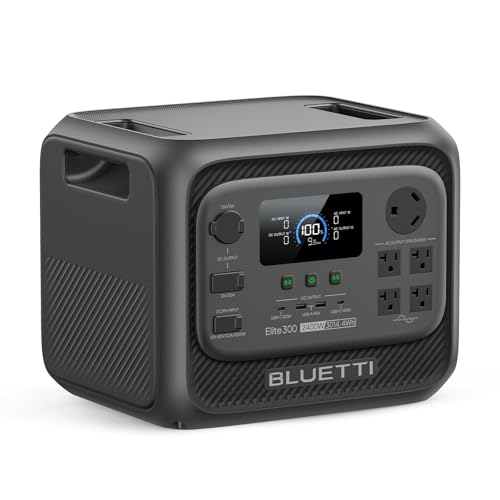
Imagine you are planning a weekend camping trip or preparing for a sudden power outage at home. You need a reliable source of electricity to keep your phone charged, run a small fridge, or power a CPAP machine through the night. Two popular options come to mind: an inverter generator and a portable power station. Both offer portable electricity, but they work very differently. In this guide, we compare inverter generators versus portable power stations to help you choose the right solution for your outdoor adventures and emergency backup needs in 2026. We have evaluated five top-rated portable power stations from leading brands like BLUETTI, Jackery, EnginStar, and DaranEner. For a deeper look into specific brand comparisons, check out our jackery vs bluetti guide.


Buying Guide: Choosing Between an Inverter Generator and a Portable Power Station
Power Output and Capacity
Your first consideration is how much power you need. Inverter generators typically offer higher continuous wattage, often starting at 1000W or more, making them suitable for running larger appliances like a microwave or a small air conditioner. Portable power stations, like the ones we reviewed, usually range from 192Wh to 300Wh in capacity, with continuous outputs around 300W to 600W. This is enough for charging laptops, phones, lights, and running a CPAP machine. For heavier loads, a generator might be necessary. However, for most camping and emergency scenarios, the portable power station’s output is more than sufficient.
Noise and Emissions
One of the biggest advantages of a portable power station is its silent operation. There is no engine noise, no fumes, and no need for ventilation. This makes it ideal for use inside a tent, an RV, or even your bedroom during a blackout. Inverter generators are quieter than traditional generators, but they still produce a noticeable hum and emit exhaust. If you value peace and quiet, or if you are using the unit indoors, a portable power station is the clear winner. Our EcoFlow delta 3 plus review highlights how silent power stations can be for home and RV use.
Portability and Weight
Portable power stations are generally lighter and more compact than inverter generators. Models like the Jackery Explorer 300 weigh only 7.5 lbs, while the DaranEner Portable Power Station is even lighter at 5.73 lbs. You can easily carry them in one hand or pack them in a backpack. Inverter generators, while more portable than traditional ones, are heavier and bulkier due to the engine and fuel tank. For hiking, backpacking, or any activity where weight matters, a portable power station is the better choice. The jackery explorer 300 review shows how lightweight design meets robust power.
Charging and Fuel Source
Portable power stations are recharged via a wall outlet, a car charger, or solar panels. This gives you the freedom to use renewable energy and never worry about buying or storing fuel. Inverter generators run on gasoline, propane, or diesel, which means you need to carry fuel and manage its storage. For extended off-grid trips, solar charging is a huge advantage. Many power stations, like the BLUETTI Elite 30 V2, support fast solar charging. If you want a sustainable, fuel-free solution, a portable power station is the way to go. For more on solar generators, visit our solar generators category.
Final Thoughts
When deciding between an inverter generator and a portable power station, think about your primary use case. For quiet, clean, and lightweight power for camping, road trips, and short-term home backup, a portable power station is an excellent choice. We recommend the BLUETTI Elite 30 V2 Portable Power Station 288Wh for its fast charging and compact design, or the Jackery Explorer 300 Portable Power Station,292Wh for its exceptional cycle life and lightweight build. If you need high wattage for heavy appliances or continuous runtime for days, an inverter generator may be more suitable. Whichever you choose, both options provide reliable portable power for your adventures and emergencies.
Frequently Asked Questions
Can a portable power station replace an inverter generator for camping?
Yes, for most camping needs, a portable power station can replace a generator. It runs silently, produces no fumes, and can power phones, laptops, lights, and even small appliances. For larger RVs or extended trips requiring high wattage, an inverter generator might still be necessary.
How long does a portable power station last on a single charge in 2026?
Runtime depends on the capacity and the devices you power. A 300Wh unit can run a 60W laptop for about 5 hours, or charge a smartphone 15-20 times. For specific models, check our reviews like the BLUETTI elite 300 review for detailed runtime estimates.
Is it safe to use a portable power station indoors?
Absolutely. Portable power stations use lithium batteries and produce no emissions, so they are safe for indoor use. They are perfect for home backup during blackouts, powering medical devices, or running electronics in a bedroom or living room.
Can I charge a portable power station with solar panels?
Yes, most modern portable power stations support solar charging. Models like the EnginStar and BLUETTI units have built-in MPPT controllers for efficient solar input. This makes them ideal for off-grid camping and sustainable energy use.