Picture this: you are planning a weekend camping trip or preparing for an unexpected power outage, and you need a reliable portable power station. Two names dominate the conversation: Jackery and Bluetti. Both offer robust solar generators and power stations, but they cater to slightly different needs. In this guide, we compare Jackery vs Bluetti to help you decide which brand aligns with your specific use case, whether for outdoor adventures or home backup. We also introduce a valuable resource that simplifies the buying process: the Essential Guide to Portable Power Stations.
This article is designed for anyone exploring portable power options, from first-time buyers to seasoned RVers. We will break down key differences, highlight important features, and provide a practical buying guide. By the end, you will have a clear understanding of what to look for when choosing between these two popular brands in 2026.


Buying Guide: What to Consider When Choosing Between Jackery and Bluetti
When comparing Jackery vs Bluetti, several factors come into play. Here are the key criteria to evaluate before making a purchase.
1. Battery Capacity and Output
Battery capacity determines how long your devices can run. Jackery offers models ranging from compact units for phone charging to larger stations that can power mini-fridges. Bluetti, on the other hand, often focuses on higher-capacity models with expandable options, making them a favorite for home backup scenarios.
Consider your typical usage: if you need a lightweight solution for weekend camping, a smaller Jackery might suffice. If you want a system that can power essential appliances during an outage, Bluetti’s larger capacity and expansion capabilities are worth evaluating. For more insights, check our jackery explorer 1000 v2 review to see how a mid-range model performs.
2. Charging Speed and Solar Input
Charging speed is critical, especially when you rely on solar power. Jackery’s proprietary SolarSaga panels are known for their efficiency and ease of use. Bluetti offers high solar input limits, allowing faster recharging with compatible panels. If you plan to use solar frequently, compare the maximum solar input wattage and charging times.
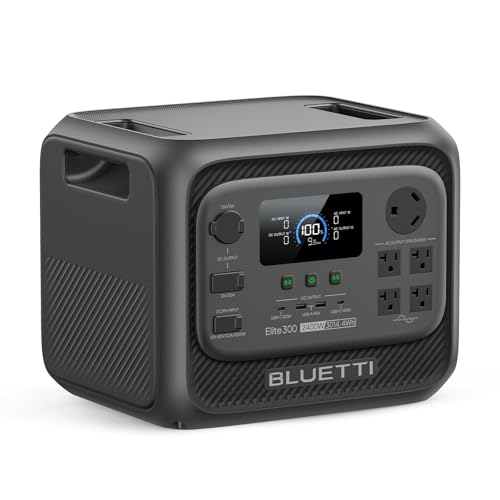
For example, Bluetti’s advanced MPPT controllers can maximize solar harvest, which is beneficial for off-grid living. But Jackery’s all-in-one solutions are often more user-friendly for beginners. To understand how these features apply in real-world scenarios, read our BLUETTI elite 300 review for a deep dive into a high-capacity model.
3. Portability and Design
Portability varies significantly between the two brands. Jackery is renowned for its compact, lightweight designs with built-in handles, making them easy to carry. Bluetti models, especially the larger ones, tend to be heavier but often include wheels and telescoping handles for easier transport.
Think about where you will use the station. For hiking or car camping, a lightweight Jackery is ideal. For RV or home use, a larger Bluetti with wheels might be more practical. Always check the weight and dimensions before buying.
4. Expandability and Ecosystem
Expandability is a significant differentiator. Bluetti offers modular systems where you can add extra batteries to increase capacity. Jackery, while offering some models with expansion packs, generally focuses on standalone units. If you anticipate growing power needs, an expandable system is a smart investment.
Additionally, consider the ecosystem: Jackery integrates seamlessly with its own solar panels and accessories, while Bluetti offers compatibility with third-party panels. For a broader perspective on power station ecosystems, explore our portable power stations category.
Final Thoughts
In the Jackery vs Bluetti debate, there is no one-size-fits-all answer. Jackery excels in portability and ease of use, making it perfect for campers and casual users. Bluetti shines with high capacity and expandability, ideal for home backup and off-grid enthusiasts. To make an informed decision, we recommend consulting the Essential Guide to Portable Power Stations, which covers both brands and more. This guide is an invaluable resource for comparing features and finding the right fit for your lifestyle.
Frequently Asked Questions
Which is better, Jackery or Bluetti?
The answer depends on your needs. Jackery is better for portability and simplicity, while Bluetti offers higher capacity and expandability. Consider your primary use case, whether it is weekend camping or home backup, and choose accordingly.
Can I use Jackery solar panels with a Bluetti power station?
In most cases, yes, as long as the panel’s output voltage and connector are compatible. Bluetti stations typically accept a wide range of solar inputs, but you may need an adapter. Always check the specifications before connecting.
How long do Jackery and Bluetti batteries last?
Both brands use lithium-ion or LiFePO4 batteries, which can last for hundreds of charge cycles. Bluetti’s LiFePO4 batteries generally have a longer lifespan, often rated for 3,500+ cycles. Jackery’s lithium-ion batteries typically last around 500 cycles, but newer models are adopting LiFePO4 for extended durability.
Are Jackery and Bluetti power stations safe for indoor use?
Yes, both are safe for indoor use as they produce no fumes and operate quietly. However, always follow the manufacturer’s guidelines regarding ventilation and avoid covering the unit during operation.