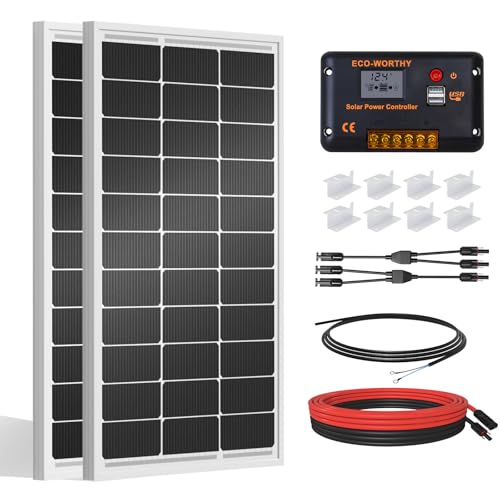
Imagine arriving at your campsite after a long hike, only to realize your phone is dead and you forgot to charge your laptop for tomorrow’s work. Or picture a sudden storm knocking out power at home, leaving your fridge and lights useless. This is exactly why the best solar generators have become essential gear for outdoor enthusiasts and homeowners alike. In this guide, we’ve evaluated the top solar generators of 2026 from leading brands like Jackery, EF ECOFLOW, and ABOK. Whether you need a lightweight companion for weekend trips or a robust backup for your home, we have options that deliver reliable, clean energy wherever you go. For more on choosing the right portable power solution, check out our best portable power station for camping and home backup guide.


Buying Guide: How to Choose the Best Solar Generator
Capacity and Power Output
The capacity, measured in watt-hours (Wh), tells you how much energy the generator can store. A higher capacity means longer runtimes for your devices. For light camping with phones and a laptop, a 300Wh unit may suffice. For powering a fridge, lights, and tools during an outage, look for 1000Wh or more. The AC output wattage determines what appliances you can run simultaneously. A 1500W output handles most essentials, while 3600W models can power larger loads. Always match the generator’s output to your peak power needs.
Battery Chemistry and Lifespan
Modern solar generators use lithium-ion or lithium iron phosphate (LiFePO4) batteries. LiFePO4 is the gold standard for longevity, offering thousands of charge cycles before significant degradation. This chemistry is safer, more stable, and lasts over a decade with regular use. If you plan to use the generator frequently, investing in a LiFePO4 model pays off in the long run. For more on battery technology, visit our power stations category page.
Portability and Weight
If you’re taking your generator on hikes or road trips, weight and size matter. Compact units under 10 pounds are easy to carry, while larger 2000Wh models can weigh 40+ pounds but may include handles or wheels. Consider how you’ll transport it. For car camping, a heavier unit with wheels is fine. For backpacking, prioritize ultra-light designs. Also check the solar panel weight if buying a bundled kit.
Solar Charging Speed and Panel Compatibility
Solar charging speed depends on panel wattage and efficiency. A 200W panel can recharge a 1000Wh generator in about 5-6 hours of full sun. Look for generators with MPPT charge controllers for optimal power conversion. Some brands offer proprietary panels that maximize efficiency, but many support standard MC4 connectors. For portable options, check our portable power stations guide for more insights.
Final Thoughts
After evaluating these top solar generators, the Jackery Solar Generator 1000 v2 and 200W Solar stands out as the best all-around choice for most users, offering a great balance of capacity, fast charging, and smart features. For those needing heavy-duty home backup, the Jackery HomePower 3000 and 2x200W Solar Panels delivers massive power and expandability. Whichever you choose, you’ll gain energy independence and peace of mind.
Frequently Asked Questions
How long do solar generators last?
With proper care, a solar generator with LiFePO4 batteries can last over 10 years or up to 4000 charge cycles. The solar panels themselves typically last 20-30 years. Regular use and avoiding extreme temperatures will extend the lifespan.
Can a solar generator power a refrigerator?
Yes, most solar generators with 1000Wh capacity or more can power a small to medium refrigerator for several hours. Check the generator’s continuous output and the fridge’s startup surge. A 1500W generator usually handles a standard fridge with ease.
Do solar generators work in cloudy weather?
Yes, but at reduced efficiency. Solar panels still generate power on cloudy days, typically 10-25% of their rated output. For reliable charging, you can also recharge the generator via AC wall outlet or car charger. Some models support hybrid charging for faster replenishment.
What is the difference between a solar generator and a power station?
A solar generator is a portable power station that can be recharged via solar panels, often sold as a bundle. A power station usually refers to the battery unit alone, which may also charge from AC or DC inputs. Both serve similar purposes, but solar generators emphasize renewable energy integration.