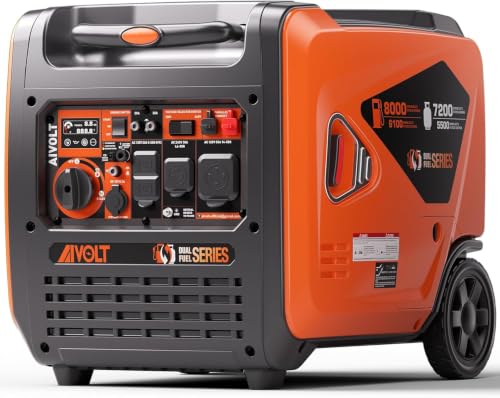

Picture this: you are on a construction site, a deadline looms, and a key tool suddenly loses power because the grid can’t keep up. A reliable portable generator becomes your lifeline, powering saws, drills, compressors, and lights without skipping a beat. In this guide, we evaluate the best portable generator for construction in 2026, covering models that deliver clean, stable power, long runtimes, and rugged durability for demanding job sites. Whether you need a lightweight unit for small repairs or a heavy-duty dual fuel machine for large projects, we have you covered. For more context on inverter generators, check our inverter generators category page.





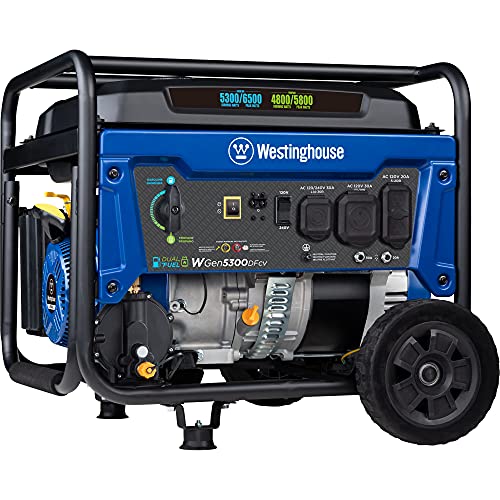


Buying Guide
Power Output and Surge Capacity
For construction, you need enough starting watts to handle motor-driven tools like circular saws, air compressors, and concrete mixers, which draw extra power on startup. Look for a generator with a surge rating at least 20% higher than your total running wattage. Models like the Westinghouse 12500 Watt Dual Fuel Home Backup deliver 12,500 peak watts, easily powering multiple heavy tools simultaneously. Smaller units like the Honda EB2200i 2200 Watt 120V Super Quiet Inverter are perfect for light duty tasks with clean power for sensitive electronics.
Fuel Type and Runtime
Dual fuel generators (gasoline and propane) offer flexibility for job sites where fuel availability varies. Gasoline provides higher power density, while propane burns cleaner and extends engine life. For long shifts, consider models with large fuel tanks and ECO mode, like the PowerSmart 4000 Watt Portable Inverter Generator, which runs up to 8 hours at half load. The Genkins 4500W Inverter Generator for Home offers up to 8 hours of runtime with its 2.11-gallon tank. For more on dual fuel options, read our guide on best small dual fuel inverter generator.
Portability and Noise Level
Construction sites demand generators that are easy to move between work areas. Look for models with wheels, telescoping handles, and lightweight frames. The SIOKIUU 2500W Portable Generator Super Quiet weighs only 39.5 pounds, making it easy to carry. Noise is also critical for compliance and worker comfort; inverter generators with ECO mode operate as low as 59 dBA, like the PowerSmart 4000W. The Honda EB2200i is exceptionally quiet at 48 to 57 dBA, ideal for noise-sensitive urban sites. For a comparison of top brands, see our generac vs honda generator.
Safety Features and Durability
Construction generators must withstand dust, vibration, and temperature extremes. Features like low oil shutdown, carbon monoxide sensors, and GFCI outlets protect both the equipment and workers. The WEN 6800-Watt Dual Fuel RV-Ready Electric Start includes a CO watchdog sensor and fuel shutoff to extend engine life. The Westinghouse 6500 Watt Dual Fuel Home Backup adds a CO sensor and automatic low oil shutdown. For home backup needs, check our best portable standby generator guide.
Final Thoughts
Choosing the right portable generator for construction depends on your power needs, job site conditions, and budget. For heavy-duty projects requiring maximum power and dual fuel flexibility, the Westinghouse 12500 Watt Dual Fuel Home Backup stands out with its 12,500 peak watts and remote start. For lighter tasks where portability and quiet operation matter most, the Honda EB2200i 2200 Watt 120V Super Quiet Inverter delivers reliable, clean power in a compact package. Both models represent excellent value for their respective use cases, ensuring your tools stay powered and your projects stay on schedule.
Frequently Asked Questions
What size generator do I need for a construction site?
It depends on your tools. Add up the running watts of all equipment you plan to use simultaneously, then add a 20% buffer for starting surge. For most job sites, a 4,000 to 7,000 running watt generator covers saws, compressors, and lights. For larger operations, a 9,500 running watt model like the Westinghouse 12500W is ideal. For small homes, see our best generator for small house portable.
Are inverter generators better for construction?
Yes, inverter generators produce clean power with less than 3% total harmonic distortion (THD), making them safe for sensitive electronics like laptops, chargers, and digital tools. They also run quieter and more fuel efficiently than conventional generators, which is a big advantage on job sites with noise restrictions. For a deeper dive, check our best rated dual fuel portable generator review.
How long can a portable generator run continuously?
Runtime varies by model and load. Most construction generators run 8 to 14 hours at 25% to 50% load on a full tank. For example, the Oxseryn 4400W runs up to 14 hours in ECO mode, while the Honda EB2200i lasts up to 8.1 hours. Always follow the manufacturer’s guidelines and allow the generator to cool down before refueling.
What safety features should I look for in a construction generator?
Prioritize generators with automatic low oil shutdown, carbon monoxide (CO) sensors, GFCI outlets, and overload protection. These features prevent engine damage, protect workers from toxic fumes, and reduce electrical hazards. Models like the Westinghouse 6500W and WEN 6800W include CO sensors for added safety.