
Imagine you’re on a weekend camping trip, and you want to power your CPAP machine, charge your phones, and keep a small fridge running. Or maybe a sudden storm knocks out your home’s power, and you need to keep your sump pump and internet router alive. This is where a portable inverter generator shines, and the Aceup Energy 4000 watt portable inverter review is your starting point.
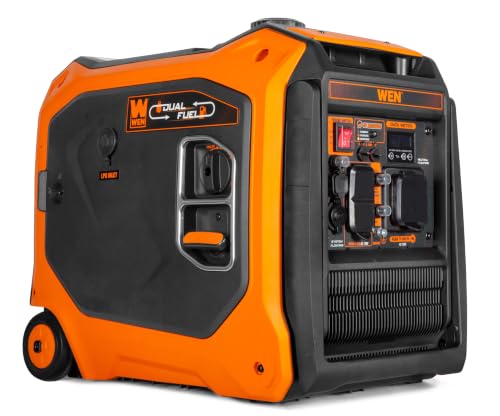
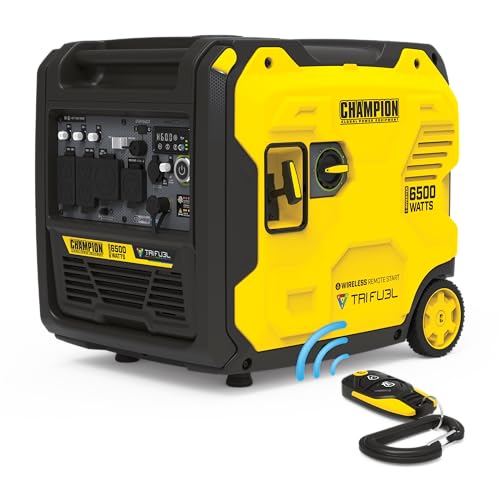
In this guide, we’ll evaluate two popular 4000-watt models: the Aceup Energy 4000 Watt Gas Inverter Generator and the PowerSmart 4000 Watt Portable Inverter Generator. We’ll break down their key features, compare them side-by-side, and help you decide which one suits your specific needs, whether for camping, RV trips, or emergency home backup.


Buying Guide: What to Look for in a 4000W Inverter Generator
Choosing the right inverter generator involves more than just looking at the wattage. Here are three key criteria we considered when reviewing these models.
Power Output and Clean Electricity
Both generators produce 4000 peak watts and 3200 rated watts, which is ample for running a refrigerator, lights, and small appliances simultaneously. However, the quality of that power matters for sensitive electronics. The Aceup Energy model boasts a total harmonic distortion (THD) of under 1.5%, while the PowerSmart is rated at under 3%. Lower THD means cleaner, safer power for your laptops, TVs, and smartphones.
If you plan to power medical devices like CPAP machines or charge high-end electronics, the lower THD of the Aceup Energy could be a deciding factor. For most household items, both are perfectly safe.
Noise Level and Runtime
Quiet operation is a hallmark of inverter generators. The PowerSmart claims a noise level of 59 dBA from 23 feet at 25% load, while the Aceup Energy is rated at about 60 dBA under similar conditions. Both are quiet enough for campsites, but the PowerSmart has a slight edge in our books.
Runtime is another critical factor. The PowerSmart offers up to 8 hours at 25% load on a 1.3-gallon tank, whereas the Aceup Energy runs for about 5 hours at half-load on a slightly larger 1.32-gallon tank. This difference means the PowerSmart can last longer through the night on a single fill, which is ideal for overnight camping.
Portability and Outlets
Both generators are designed to be portable, but check the weight and handle design. The Aceup Energy features a 5-in-1 knob that simplifies starting and stopping, reducing the risk of fuel spills. The PowerSmart includes a control panel with a 30A twist-lock outlet, a 20A duplex, a 12V DC port, and dual USB ports, offering more versatility for different connections.
If you need to power an RV, look for a generator with an RV-ready outlet. The Aceup Energy includes a dedicated RV receptacle, making it a plug-and-play solution for many campers. For more insights on RV use, check our best inverter generator for RV camping guide.
Final Thoughts
After weighing the features, both the Aceup Energy 4000 Watt Gas Inverter Generator and the PowerSmart 4000 Watt Portable Inverter Generator are solid choices at the same price point. If you prioritize the lowest THD for sensitive electronics and a simple start/stop knob, the Aceup Energy is your pick. If longer runtime and a quieter operation are more important, especially for overnight camping, the PowerSmart takes the lead. Both come with a 2-year warranty and lifetime technical support, so you can’t go wrong either way.
Frequently Asked Questions
Can I run my RV air conditioner with a 4000-watt inverter generator?
Yes, a 4000-watt generator can typically start and run a 13,500 BTU RV air conditioner, provided the starting surge is within the generator’s peak capacity. Both the Aceup Energy and PowerSmart models are RV-ready, but always check your AC’s starting wattage.
How long will a 4000-watt generator run on a full tank?
Runtime varies by load. The PowerSmart runs up to 8 hours at 25% load, while the Aceup Energy lasts about 5 hours at half-load. At higher loads, expect shorter runtimes. For more on runtime comparisons, see our Honda EU2200i review.
Are these generators safe for sensitive electronics?
Yes, both use inverter technology to produce clean power. The Aceup Energy has a THD below 1.5%, while the PowerSmart is under 3%. Both are safe for laptops, phones, and TVs, but the lower THD of the Aceup Energy offers extra peace of mind for delicate devices.
Can I connect two generators for more power?
Both models are parallel-ready, meaning you can connect two of the same model to double your output. However, you’ll need to purchase a parallel kit separately for each brand. This is a great option if you need more power for larger appliances or multiple devices.
For more budget-friendly options, check our best portable generators under $500 list. And if you’re considering EV charging, read our best portable generator for EV charging article. For a compact alternative, see the AIVOLT 1600W review. If you need whole-home backup, explore best whole home generators.