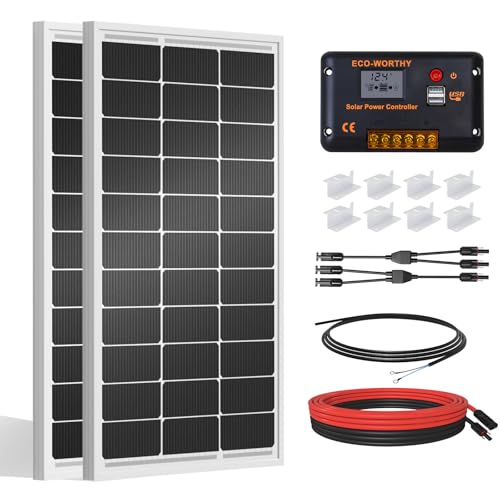
Imagine a storm knocks out your power, and your refrigerator goes silent, your sump pump stops, and your phone battery drains. For many, this is a familiar and frustrating scenario. Inverter generators have become the go-to solution for reliable, clean, and quiet power, whether for home emergencies, RV adventures, or camping trips. This guide explores the top inverter generators of 2026, breaking down key features to help you choose the right one for your needs.


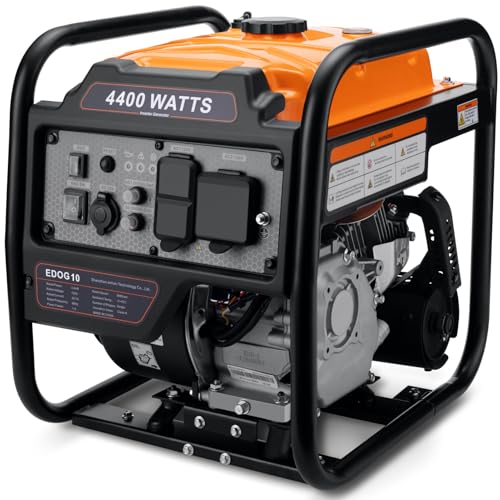

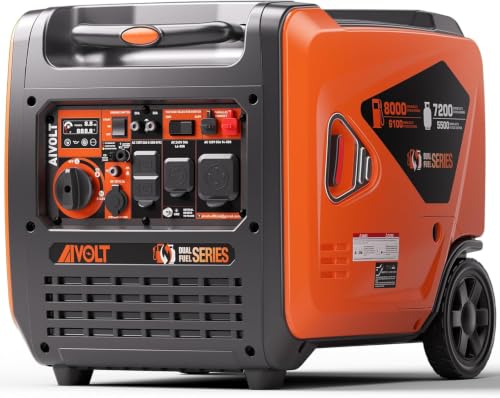


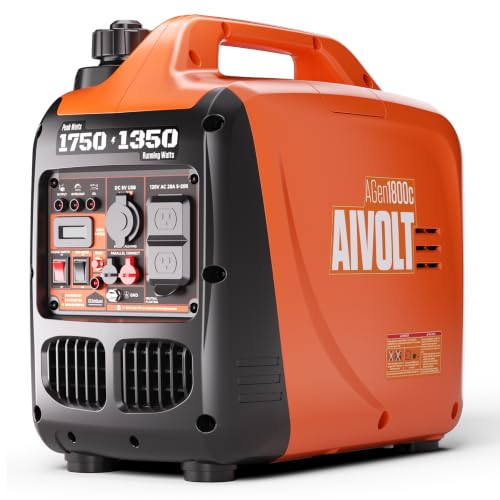


Buying Guide: What to Look For in an Inverter Generator
Power Output: Peak vs. Running Watts
Understanding wattage is crucial. Running watts are the continuous power a generator provides, while peak watts handle short surges when appliances start, like a refrigerator compressor. Consider what you need to power simultaneously. For essential home backup, a model with at least 5,000 running watts is often recommended. For camping or tailgating, a lighter unit with 2,000 to 3,000 running watts may suffice.
Always check the surge capacity to avoid overloading. If you plan to run an RV air conditioner or a sump pump, ensure the generator’s peak watts can handle the startup draw.
Fuel Type and Runtime
Inverter generators typically run on gasoline, propane, or both (dual fuel) and some even offer natural gas (tri-fuel). Dual fuel models provide flexibility, allowing you to switch based on fuel availability. Propane has a longer shelf life, making it ideal for emergency storage. Runtime is equally important; a larger fuel tank or efficient eco mode can extend operation from 7 to 19 hours. Check the runtime at 25% load to gauge efficiency.
For home backup, consider a model that is transfer switch ready, allowing you to power hardwired circuits. Models like the Westinghouse 12000 Peak Watt Dual Fuel offer a 50A outlet for direct connection to your home’s panel.
Noise Level and Portability
Noise is a major factor, especially in residential areas or campsites. Inverter generators are generally quieter than conventional models, with noise levels ranging from 52 to 72 dBA. Look for units with eco mode, which reduces engine speed to match load, lowering both noise and fuel consumption. Portability matters too; check the weight and whether it has wheels and a handle. Some ultra-light models, like the AIVOLT 1750W, weigh under 30 pounds, making them easy to carry.
If you need to move your generator frequently, prioritize a telescoping handle and never-flat wheels. For permanent home backup, a heavier unit with a wheel kit is acceptable.
Safety Features and Electronics Protection
Safety is non-negotiable. Look for CO sensors that automatically shut down the generator if carbon monoxide levels become dangerous. Low oil shutdown and overload protection are also essential. For powering sensitive electronics like laptops and TVs, ensure the generator produces clean power with less than 3% total harmonic distortion (THD). This pure sine wave output prevents damage to your devices.
Many modern inverters include multiple outlets, including USB ports, to charge devices directly. Some models, like the WEN DF480iX, feature a bonded-neutral 240V configuration for Level 2 EV charging, a unique option for electric vehicle owners.
Final Thoughts
Choosing the right inverter generator depends on your specific power needs, fuel preferences, and portability requirements. For whole-home backup with ample power, the Westinghouse 12000 Peak Watt Dual Fuel is a top-tier choice, offering high output and transfer switch readiness. If you need a lightweight, quiet companion for camping or tailgating, the AIVOLT 1750W Inverter Generator is an excellent, budget-friendly pick. Assess your priorities, and you’ll find the perfect power solution for peace of mind during outages and outdoor adventures.
Frequently Asked Questions
What size inverter generator do I need for my house?
For essential home backup, a generator with 5,000 to 7,000 running watts can power lights, a refrigerator, a sump pump, and a few outlets. If you want to run central air conditioning or a well pump, you may need 10,000 watts or more. Calculate the total running watts of your critical appliances and add a 20-30% buffer for surge.
Are inverter generators safe for sensitive electronics?
Yes, inverter generators produce clean, stable power with less than 3% THD, making them safe for laptops, smartphones, TVs, and other sensitive electronics. Unlike conventional generators, they use an inverter to convert DC to AC power, ensuring a pure sine wave output.
Can I run an inverter generator in the rain?
No, you should never operate any generator in the rain or wet conditions to avoid electric shock. Place it on a dry surface under a canopy or generator tent, ensuring proper ventilation. Always keep it at least 20 feet away from windows and doors to prevent carbon monoxide buildup.
What is the difference between dual fuel and tri-fuel generators?
Dual fuel generators run on gasoline and propane, while tri-fuel models add natural gas as a third option. Natural gas is convenient for home backup if you have a gas line, as you never need to store fuel. However, natural gas output is often slightly lower than gasoline or propane.