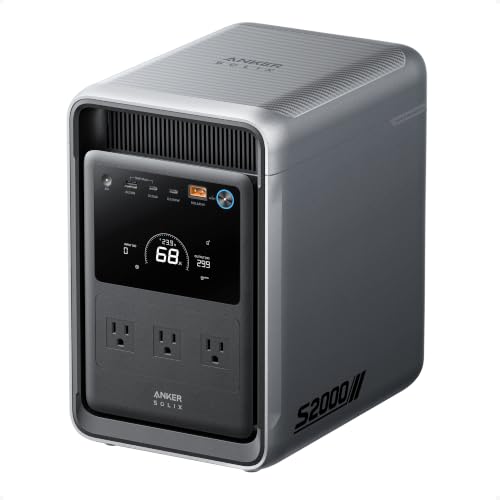
Imagine you’re on a weekend camping trip, and your phone dies, the portable fridge is warming up, and the kids are complaining. Or maybe a storm knocks out your home’s power, and you’re scrambling for a way to keep the essentials running. The Anker SOLIX C1000 is designed to solve these exact problems, offering fast charging and reliable power in a compact package. In this review, we’ll break down its performance, features, and value for campers, RVers, and anyone seeking a dependable home backup solution in 2026.
We’ve spent time evaluating the Anker SOLIX C1000’s specs, comparing it with other leading portable power stations, and assessing its real-world usability. Whether you’re new to portable power or looking to upgrade, this guide will help you decide if the C1000 is the right fit. For a broader look at Anker’s lineup, check out our best anker solix power station.


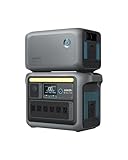

Buying Guide: What to Look for in a Portable Power Station
Before you invest in a portable power station, it’s crucial to understand the key factors that determine its performance and suitability for your needs. Here are the top criteria we use when evaluating units like the Anker SOLIX C1000.
1. Battery Capacity and Chemistry
Battery capacity, measured in watt-hours (Wh), tells you how much energy the station can store. For most camping and emergency use, a capacity around 1,000Wh is a sweet spot, as it can power a mini-fridge for several hours or charge a laptop multiple times. The Anker SOLIX C1000 offers 1,056Wh, which is ample for weekend adventures or short outages.
Equally important is the battery chemistry. Lithium iron phosphate (LiFePO4) batteries are known for their longevity and safety, lasting up to 3,000 charge cycles. That’s why many modern stations, including the C1000, use this tech. If you’re looking for other options with similar chemistry, our best EcoFlow power station guide covers top alternatives.
2. Output Power and Surge Capacity
Output power, measured in watts, determines what appliances you can run. Most portable stations offer 1,000 to 2,000W continuous output, which handles typical devices like TVs, small appliances, and power tools. The Anker SOLIX C1000 delivers 1,800W continuous and 2,400W peak with its SurgePad technology, allowing you to power up to 99% of common appliances.
Surge capacity is critical for devices with motors, like refrigerators or sump pumps, that draw extra power on startup. The C1000’s 2,400W peak ensures you won’t trip the unit when the compressor kicks in. For more on running fridges, see our best power station for refrigerator article.
3. Recharging Speed and Solar Input
When you’re off-grid, recharging speed matters. The Anker SOLIX C1000’s UltraFast technology can reach 80% in just 43 minutes and a full charge in under an hour via AC input. That’s a game-changer compared to older models that took 6-8 hours.
Solar recharging is another key feature for eco-conscious users. The C1000 supports up to 600W of solar input, which can fully charge the unit in about 1.8 hours under ideal sunlight. This makes it a viable solar generator for camping and emergency preparedness. If you’re exploring other solar-friendly options, our anker solix F3800 review offers a larger-scale alternative.
4. Portability and Build Quality
Portability is about more than just weight; it’s about size, handle design, and durability. The Anker SOLIX C1000 is 15% smaller than comparable 1kWh units, making it easier to fit in a car trunk or RV. Its rugged build is designed to withstand outdoor conditions, and the integrated handle ensures comfortable carrying.
Consider where you’ll use the station most. For camping, a compact, lightweight design is essential. For home backup, you might prioritize a unit with more ports and higher output. The C1000 strikes a balance, offering 11 ports, including AC outlets, USB-A, USB-C, and a car port. If you need a station specifically for medical devices, our best power station for CPAP guide has tailored recommendations.
Final Thoughts
In summary, the Anker SOLIX C1000 Portable Power Station with Car is an excellent choice for campers and RVers who need fast recharging and reliable power on the go, while its 1,800W output and 10-year battery lifespan make it a solid home backup option for emergencies. If you’re looking for a compact, versatile unit that can handle most appliances and recharge in under an hour, the C1000 is a top contender. For those who need even more power for whole-home backup, consider the Anker SOLIX C1000 Portable Power Station with Car as a starting point, but also explore larger systems like the Anker Solix F3800 for extended outages.
Frequently Asked Questions
How long does the Anker SOLIX C1000 take to charge?
The Anker SOLIX C1000 can reach 80% battery in just 43 minutes and a full charge in under an hour using AC input and UltraFast recharging. This requires the Anker app to enable the feature. With 600W solar input, a full charge takes about 1.8 hours in ideal sunlight.
Can the Anker SOLIX C1000 power a refrigerator?
Yes, the C1000’s 1,800W continuous output can handle most refrigerators, which typically draw 500-800W during startup. Its 2,400W surge capacity ensures the compressor starts without issues. For more details, check our best power station for refrigerator guide.
How long does the Anker SOLIX C1000 battery last?
The LiFePO4 battery in the C1000 is rated for 3,000 charge cycles, which translates to roughly 10 years of daily use. This longevity makes it a cost-effective investment for camping and emergency preparedness in 2026.
Is the Anker SOLIX C1000 suitable for solar charging?
Absolutely, the C1000 supports up to 600W of solar input, allowing full recharging in about 1.8 hours under direct sunlight. This feature makes it an eco-friendly solar generator option for off-grid adventures.