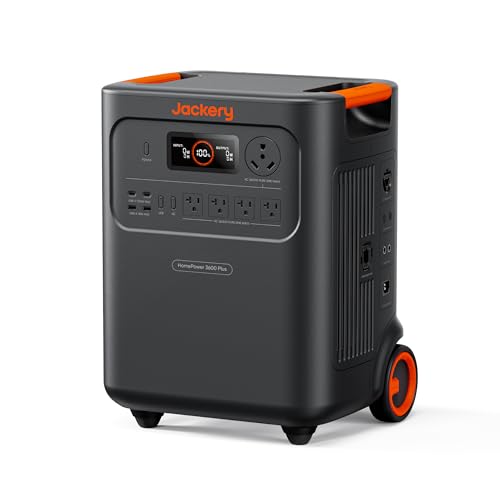
Imagine a serene campsite under a canopy of stars, the only sounds being the crackle of a campfire and the gentle rustle of leaves. Then, the roar of a traditional generator shatters the tranquility. If you’re a camper who values peace and quiet, you know the struggle of finding a power source that doesn’t disturb the natural harmony. This guide is for you, the outdoor enthusiast who wants to power a CPAP machine, charge devices, or run a small fridge without turning your campsite into a construction zone. We’ve evaluated the top quiet inverter generators on the market to help you make an informed choice for your next trip.
In this review, we’ll explore three standout models that promise low noise and clean power. Whether you prioritize ultra-light portability, high wattage for RV adventures, or a balance of both, we’ve got you covered. For more context on how these compare to other options, check out our guide on the best inverter generator for RV use.

Buying Guide: What to Look for in a Quiet Camping Generator
Choosing the right quiet generator for camping involves more than just checking the decibel rating. You need to consider your power needs, portability, and safety features. Here are the key factors we recommend weighing before you buy.
Noise Level (Decibels)
The whole point of a quiet generator is to minimize noise pollution. Look for models rated around 52 to 60 dBA, which is roughly the level of a normal conversation or a quiet library. This ensures you can run the generator at night without disturbing your neighbors or wildlife.
Keep in mind that noise levels can vary with load and distance. Manufacturers often rate noise at a quarter load from 23 feet away, so consider how you’ll use the generator. For more insights, explore our top inverter generators for home backup and camping.
Power Output (Watts)
Assess your power requirements. Do you need to run a small electric cooler, charge phones, and power a laptop? Or do you need enough juice for an RV air conditioner or a portable heater? Running watts indicate continuous power, while surge watts handle startup spikes. For heavy loads, a generator with 3400 running watts or more is a safer bet.
For most camping scenarios, a unit with 1350 to 4000 running watts will suffice. If you’re planning extended RV trips, consider a higher-capacity model. Our review of the best inverter generator for home backup also covers wattage considerations that apply to camping.
Portability and Weight
If you’re hiking to a remote campsite, every pound matters. Some generators are light enough to carry with one hand, while others feature wheels and a telescoping handle for easy transport. Consider the trade-off: lighter models often have lower power output, while heavier ones offer more watts.
For car camping or RV use, a heavier unit with wheels might be fine. For backpacking, you’ll want the lightest option possible. Always check the dimensions and weight before purchasing.
Safety Features
Safety should never be an afterthought. Look for generators with carbon monoxide (CO) detection and auto-shutoff, which is crucial in enclosed or semi-enclosed spaces. Low-oil shutdown and overload protection are also important to prevent engine damage and extend the generator’s life.
These features give you peace of mind, especially when camping with family. Always follow the manufacturer’s guidelines for safe usage, and never run a generator inside a tent or camper.
Final Thoughts
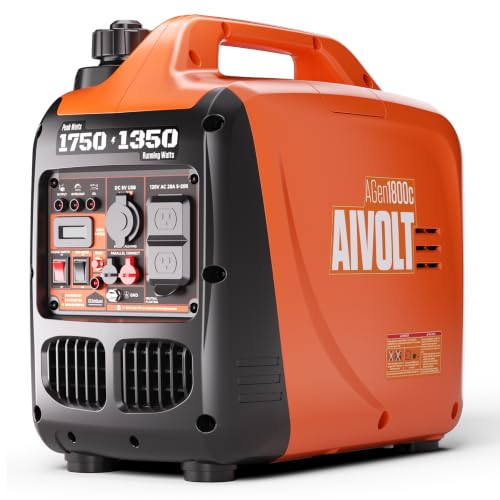
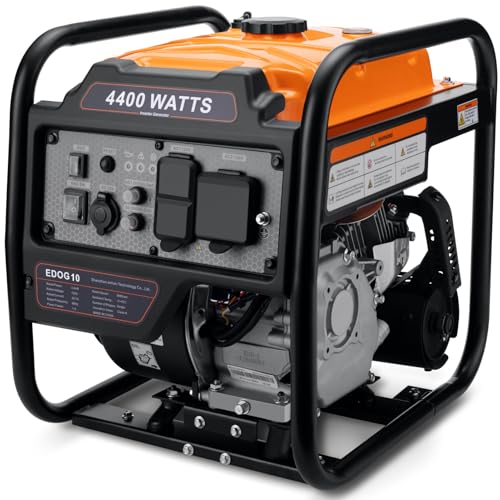
After careful evaluation, the AIVOLT 1750W Inverter Generator Portable Gas stands out for its incredible portability and whisper-quiet operation, making it ideal for solo campers or minimalists who need to charge essentials without the bulk. On the other hand, if you’re camping with an RV or need to power larger appliances, the Oxseryn Power Equipment 4400 Watts Inverter offers ample wattage and a long runtime, ensuring comfort and convenience on extended trips. Both models deliver clean, stable power for sensitive electronics, so you can relax and enjoy the great outdoors.
Frequently Asked Questions
How quiet is a quiet generator for camping?
Quiet inverter generators typically operate at 50 to 60 decibels, which is comparable to a normal conversation or a quiet office. This is significantly quieter than conventional generators, which can reach 70 to 90 decibels, allowing you to enjoy a peaceful campsite without constant engine noise.
Can I run a CPAP machine on a quiet generator?
Yes, you can. Inverter generators with clean sine wave output, like the AIVOLT 1750W, are safe for sensitive electronics such as CPAP machines. The low total harmonic distortion (THD) ensures stable power, protecting your device from damage. Always check the wattage requirements of your CPAP to ensure the generator can handle it.
What size generator do I need for camping?
For basic needs like charging phones and running a small cooler, a generator with 1000 to 2000 running watts is sufficient. If you plan to run an RV air conditioner, a microwave, or a space heater, you’ll need at least 3000 to 4000 running watts. Assess your power requirements before making a purchase.
Are inverter generators worth the extra cost?
Yes, inverter generators are generally worth the investment for camping because they provide cleaner power, quieter operation, and better fuel efficiency. They are also more compact and portable, making them easier to transport. The added cost is justified by the improved performance and longevity.