You are parked at a scenic overlook, the sun is setting, and your RV’s battery is nearly dead. You need a reliable way to keep your lights on, your fridge running, and your devices charged without relying on shore power. A solar panel kit for your RV is the perfect solution. This guide reviews the top solar panel kits for RVs in 2026, covering options for every budget and setup. Whether you are a weekend camper or a full-time traveler, we have you covered. For more on home backup options, check out our guide on the best solar panel kit for home backup.


Buying Guide
Power Output and Wattage
Your RV’s energy needs determine the wattage you require. A small kit like the SOLPERK 20W is ideal for trickle charging and maintaining a battery, while a larger system like the ECO-WORTHY 400W can power appliances and electronics. Consider your daily power consumption in watt-hours and match it with the kit’s average daily output. For more on portable options, see our best portable solar panel for camping guide.
Monocrystalline panels, like those from Renogy and ECO-WORTHY, offer higher efficiency in limited roof space. They convert more sunlight into electricity, making them ideal for RVs where every square inch counts.
Charge Controller Type
The charge controller regulates the voltage from the solar panels to the battery. MPPT (Maximum Power Point Tracking) controllers, such as those in the SOLPERK and ECO-WORTHY kits, are up to 30% more efficient than PWM controllers. They optimize power harvest, especially in low light or cold temperatures. The Renogy kit uses a PWM controller, which is reliable but less efficient for larger systems.
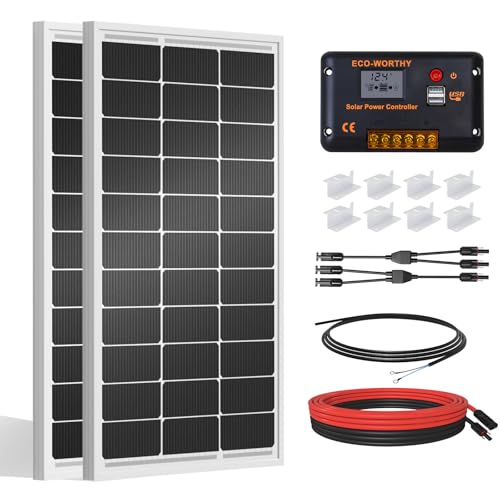
If you plan to expand your system later, choose a controller that supports higher wattage. The ECO-WORTHY 400W kit includes a 40A MPPT controller, which can handle additional panels.
Durability and Weather Resistance
RV solar panels face wind, snow, and rain. Look for panels with anodized aluminum frames and tempered glass, like the SOLPERK and ECO-WORTHY models, which withstand up to 2400Pa wind and 5400Pa snow loads. IP65-rated junction boxes ensure protection against dust and water jets. Renogy’s panels are certified to UL 61730, CSA C22.2, and IEC standards, confirming their durability.
Mounting brackets should be sturdy and adjustable. The SOLPERK kit includes a 360-degree adjustable bracket for optimal sun angles, while ECO-WORTHY uses Z brackets for a secure fit.
Ease of Installation
Most RV solar kits are designed for DIY installation. Pre-drilled holes, plug-and-play connectors, and included cables simplify the process. The SOLPERK kit is especially beginner-friendly with its alligator clips and O-ring terminals. For larger kits like the ECO-WORTHY 400W, you may need to mount multiple panels, but the Y-branch cables make wiring straightforward.
If you prefer a simple setup, the Renogy 100W starter kit is a great entry point. It includes a PWM controller and all necessary hardware, and you can expand it later. For more tips, explore our solar panel kits category.
Final Thoughts
After evaluating these kits, we recommend the SOLPERK Solar Panel Kit, Waterproof Solar Battery for RV owners who need a compact, easy-to-install solution for battery maintenance, and the ECO-WORTHY 400 Watt 12 Volt Premium Solar Panel for those seeking a powerful, full-system setup for off-grid living. Both offer excellent value, durable construction, and smart features like MPPT controllers and Bluetooth monitoring.
Frequently Asked Questions
How many watts of solar do I need for my RV?
The wattage you need depends on your energy usage. A typical RV with a fridge, lights, and phone charging may require 200-400 watts. For heavy usage with air conditioning or a microwave, consider 600 watts or more. Use a solar calculator to estimate your needs for 2026.
Can I install a solar panel kit on my RV myself?
Yes, most kits are designed for DIY installation. They include pre-drilled panels, plug-and-play connectors, and detailed instructions. Ensure you have basic tools like a drill and screwdriver. For larger systems, consider professional installation to ensure safety and optimal performance.
What is the difference between MPPT and PWM charge controllers?
MPPT controllers are more efficient, converting up to 30% more solar power into usable energy, especially in low light. PWM controllers are simpler and cheaper but less efficient. For RVs, MPPT is recommended for larger systems or if you camp in partial shade.
Do I need a battery for my RV solar panel kit?
Yes, a battery stores the energy generated by the solar panels for use at night or on cloudy days. Most kits are designed to charge 12V batteries, such as AGM, Gel, or Lithium. Ensure your battery type is compatible with the charge controller. For more information, visit our solar category page.